
 Bookmark
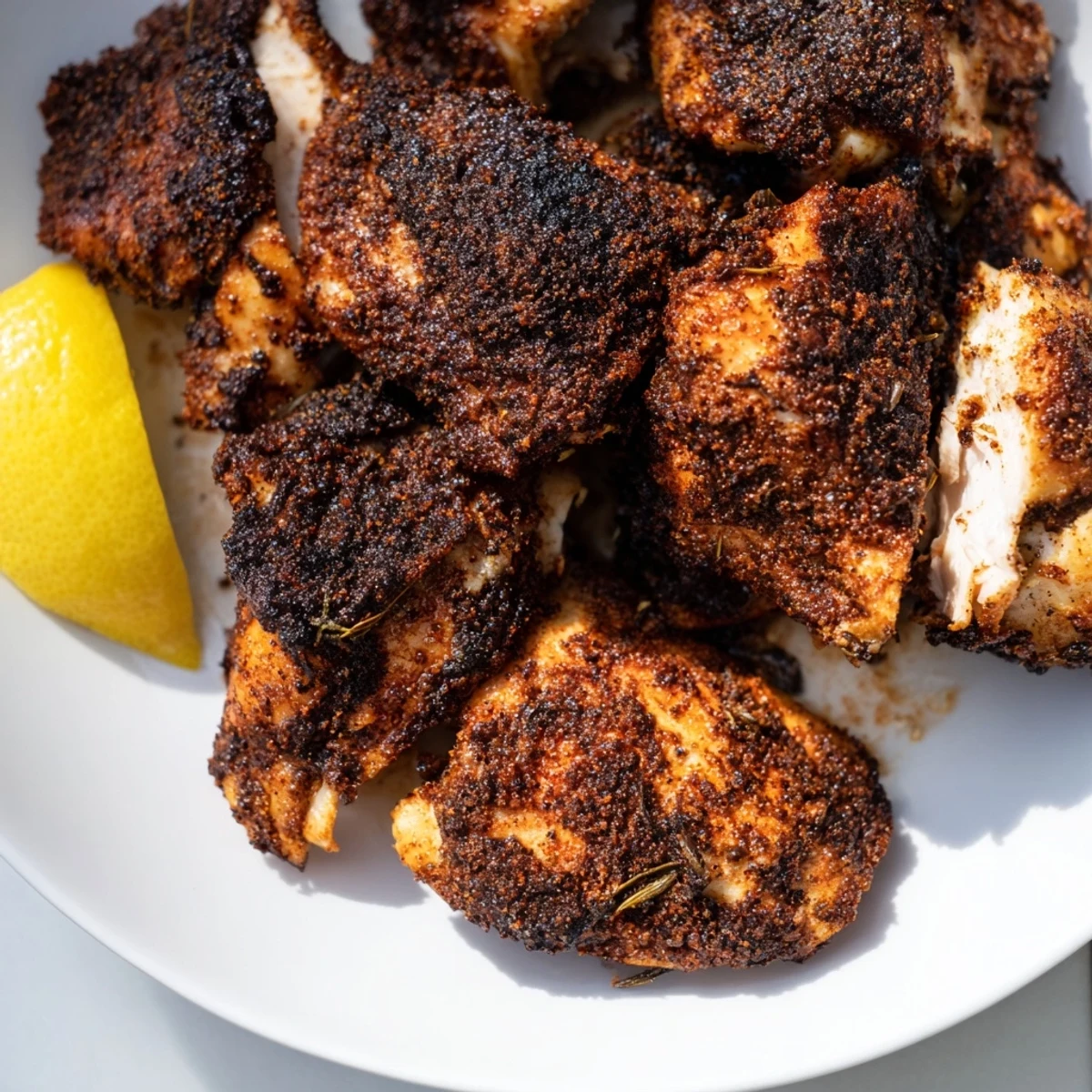
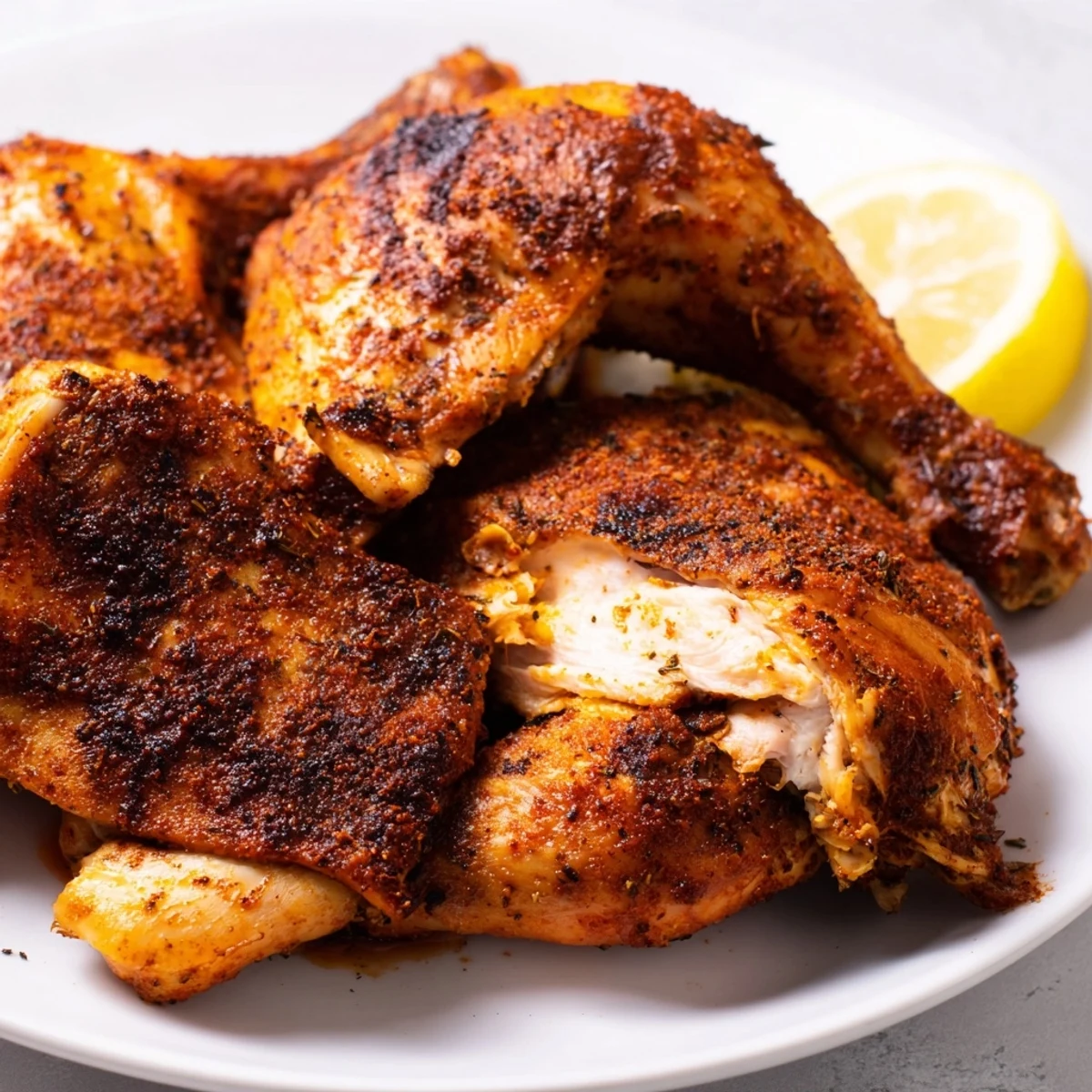
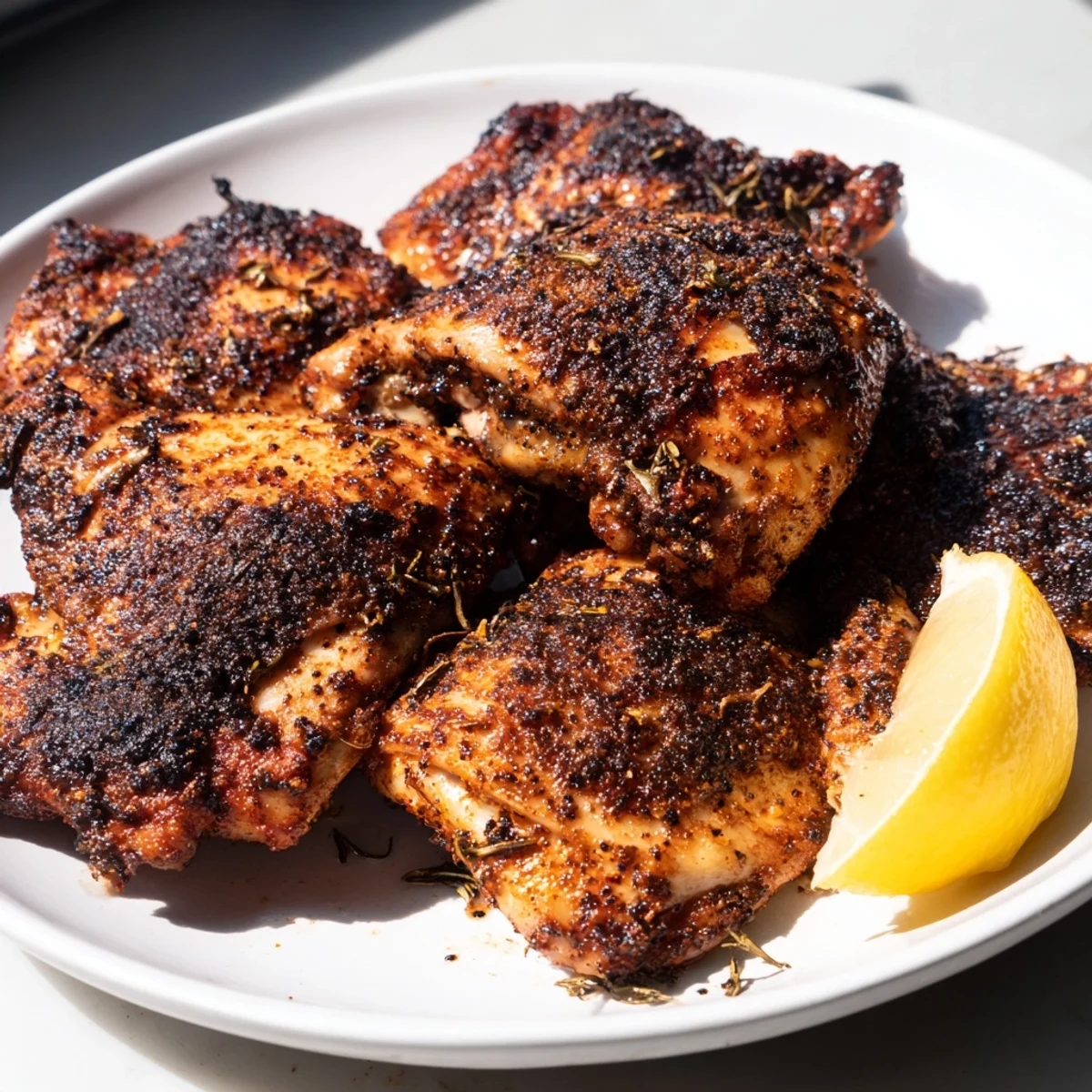
 Experience bold Cajun flavors with this blackened chicken featuring a perfectly spiced, smoky crust. The spice blend combines smoked paprika, garlic, and cayenne for authentic Southern taste. A hot cast-iron skillet creates the signature dark, crispy exterior while keeping the meat juicy inside. This simple technique delivers restaurant-quality results with minimal prep time.
The first time I made blackened chicken, I actually set off my smoke alarm. My tiny apartment kitchen filled with this incredible smoky scent, but also enough smoke to send my cat diving under the couch. That crispy, dark crust that forms when the spices hit the hot pan creates something magical. Now I know to crack a window before I start, but that first bite proved worth all the commotion.
Last summer I made this for my brother who swears he hates spicy food. I dialed back the cayenne just a bit, and he ended up going back for seconds. He actually asked me to write down the spice ratio because he wanted to make it for his wife. There is something deeply satisfying about watching someone discover that Cajun seasoning does not have to mean overwhelming heat, just layers of flavor.
Ingredients
- 4 boneless skinless chicken breasts: Starting with chicken at room temperature helps them cook evenly and prevents that raw center, overcooked edge problem
- 1 tablespoon smoked paprika: This is the backbone of the whole dish, giving that deep smoky flavor that makes it taste like it came from a restaurant kitchen
- 1 teaspoon garlic powder: Do not skip this, it provides that savory undertone that balances the heat perfectly
- 1 teaspoon onion powder: Works in tandem with the garlic to create that classic Cajun flavor foundation
- 1 teaspoon dried thyme: Adds an earthy, slightly floral note that rounds out the aggressive spices
- 1 teaspoon dried oregano: Contributes a mild bitterness that prevents the rub from tasting one dimensional
- 1 teaspoon cayenne pepper: Adjust this to your heat tolerance, but do not eliminate it entirely or you lose the signature blackened kick
- 1 teaspoon freshly ground black pepper: Freshly cracked makes a noticeable difference in the complexity of the spice crust
- 1 teaspoon kosher salt: Essential for drawing out moisture and helping that crust form properly
- 2 tablespoons olive oil or melted butter: Butter adds richness but oil handles the high heat better without burning
- Lemon wedges: That hit of acid cuts through the spices and brightens every single bite
Instructions
- Prep the chicken:
- Pat each breast completely dry with paper towels, then pound them to an even thickness so they cook at the same rate
- Mix your spice blend:
- Combine all the spices in a small bowl and give them a whisk to distribute evenly
- Oil and season:
- Brush both sides of each chicken breast with olive oil, then press the spice mixture firmly into the meat to help it adhere
- Get your pan screaming hot:
- Heat a cast iron skillet over medium high heat for about 3 minutes until it is thoroughly hot
- Sear the first side:
- Carefully place the chicken in the hot pan and do not touch it for 4 to 5 minutes while a dark crust forms
- Flip and finish:
- Cook the second side for another 4 to 5 minutes until the chicken reaches 74 degrees C internally
- Rest before serving:
- Let the chicken rest on a cutting board for 3 minutes so the juices redistribute throughout the meat
 Bookmark
 This recipe became my go to for meal prep Sundays because the chicken holds up beautifully in the fridge all week. I slice it over salads, stuff it into wraps, or just reheat it alongside some roasted vegetables. My roommate started requesting it every week, and now we have a standing Tuesday night blackened chicken tradition that neither of us wants to break.
Getting That Perfect Crust
The secret to restaurant style blackened chicken is moisture control. Any water on the surface of the chicken will steam instead of sear, leaving you with spotty, uneven browning. I take the extra step of laying the seasoned chicken on a wire rack for about ten minutes before cooking, which lets the surface dry out completely while the seasoning penetrates the meat.
Heat Management
Medium high heat is the sweet spot for this technique. Too low and the spices will not develop that characteristic char. Too high and you risk burning the spices before the chicken cooks through. I keep a close eye on the first minute of cooking and adjust the heat down slightly if I see or smell smoke before the crust starts forming.
Serving Ideas That Work
This chicken has enough bold flavor to stand up to hearty sides but also pairs beautifully with lighter options. I love serving it over a crisp salad with creamy avocado and cool ranch dressing. The temperature contrast alone makes the whole meal feel more intentional.
- Cornbread or buttermilk biscuits help tame the heat
- Cool cucumber salad balances the spices perfectly
- Creamy coleslaw adds a refreshing crunch
 Bookmark
 There is something incredibly satisfying about a recipe that delivers restaurant quality results with zero fuss. Once you master the technique, you will find yourself making this chicken more often than you planned.
Recipe FAQs
- → What makes blackened chicken different from regular grilled chicken?
-
Blackened chicken features a heavily spiced coating that creates a dark, caramelized crust when seared in a very hot cast-iron skillet. The high heat and spice blend produce a smoky, intense flavor profile that's distinct from standard grilling methods.
- → Is blackened chicken supposed to be spicy?
-
Traditional blackened seasoning includes cayenne pepper for heat, but you can easily adjust the spice level to your preference. Reduce or omit the cayenne for a milder version while still enjoying the smoky, savory flavors from paprika and herbs.
- → Why use a cast-iron skillet for blackened chicken?
-
Cast-iron skillets retain and distribute high heat evenly, which is essential for achieving the signature dark crust. The intense heat quickly sears the spices onto the chicken, creating that characteristic blackened exterior while keeping the inside moist and tender.
- → How do I know when the chicken is fully cooked?
-
Use a meat thermometer to check the internal temperature reaches 74°C (165°F). The chicken should feel firm but springy when pressed, and the juices should run clear when pierced with a knife. Letting it rest for a few minutes after cooking ensures juiciness.
- → Can I use other cuts of chicken for this recipe?
-
While boneless skinless breasts work best for even cooking, you can also use chicken thighs. Adjust cooking time accordingly—thighs may need an extra minute or two per side due to their higher fat content and thicker structure.
