
 Bookmark
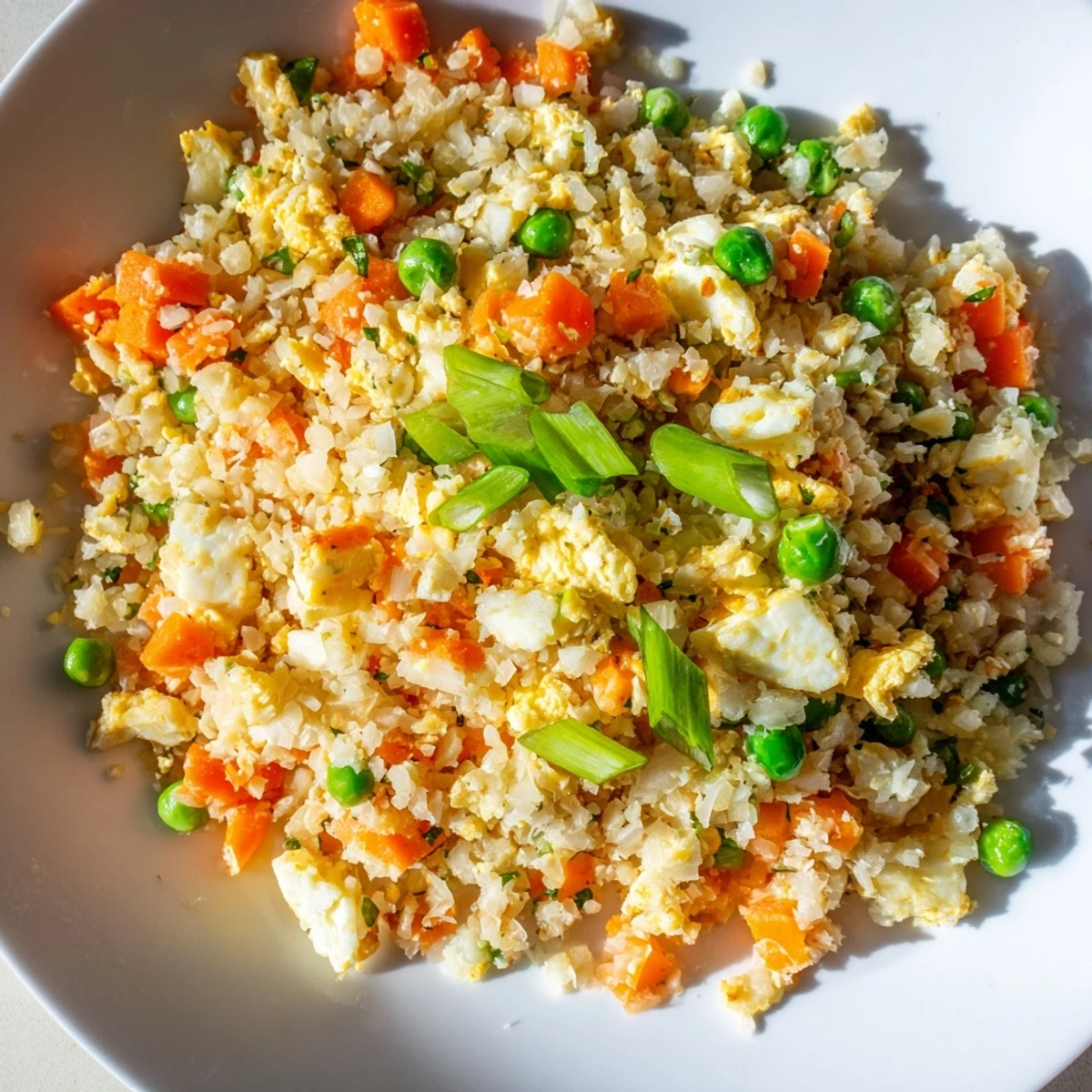
 This vibrant vegetable-based dish transforms humble cauliflower into a satisfying Asian-inspired meal. The florets get pulsed into rice-sized pieces, then quickly stir-fried with carrots, peas, aromatic ginger, and garlic until tender-crisp. Scrambled eggs add protein while soy sauce and toasted sesame oil bring that classic savory flavor. Ready in under 30 minutes, this naturally gluten-free creation works perfectly as a main course or side dish.
The first time I made cauliflower rice, my roommate walked in and asked why I was eating confetti. That was back when I was trying to cut carbs but still craving takeout flavors, and honestly I was skeptical too. But one bite of this fragrant, vegetable-packed version changed my mind completely. Now it is the kind of dinner I throw together when I want something satisfying without the heavy feeling afterwards.
Last summer my sister came over for dinner and announced she was doing a low-carb experiment. I panicked because my usual go-to meal involved pasta, but this fried rice saved the evening. She actually went back for seconds and then asked for the recipe, which is pretty much the highest compliment she can pay a dish. Now it is my secret weapon for surprise guests or those nights when I want comfort food that will not make me feel like I need a nap afterwards.
Ingredients
- 1 medium head cauliflower: This becomes the base of your rice, so pulse it carefully to avoid turning it into mush. Fresh cauliflower works better than frozen here.
- 1 medium carrot, diced: Adds sweetness and color that makes the dish feel substantial. I have learned to cut them quite small so they cook through evenly.
- 1 cup frozen peas: These little pops of sweetness contrast beautifully with the savory elements. No need to thaw first, they cook quickly in the hot pan.
- 4 spring onions, separated: The white parts go in early for depth, while the green tops finish the dish with fresh sharpness. It makes a huge difference to add them at different stages.
- 2 cloves garlic, minced: Fresh garlic is non-negotiable here. Pre-minced stuff from a jar will not give you that punchy aromatic base that carries through the whole dish.
- 1-inch fresh ginger, grated: This ingredient transforms the flavors from basic to restaurant-quality. I grate it directly into the pan to avoid losing any of those precious juices.
- 2 large eggs: They add protein and richness, plus that classic fried rice texture. Room temperature eggs scramble more evenly than cold ones straight from the fridge.
- 2 tbsp soy sauce: The main seasoning that brings umami and salt. Tamari works perfectly if you need to keep it gluten-free, and honestly I barely taste the difference.
- 1 tbsp toasted sesame oil: This finishing oil is what makes your kitchen smell like an Asian restaurant. Do not skip it, and do not substitute with plain sesame oil.
- 1 tbsp vegetable oil: You need a neutral oil with a high smoke point for the actual cooking. Save the fancy stuff for finishing and dressings.
Instructions
- Rice the cauliflower:
- Pulse the florets in your food processor in short bursts until they resemble rice grains. Work in batches if needed, and resist the urge to keep pulsing or you will end up with cauliflower puree.
- Heat your pan:
- Warm the vegetable oil in a large wok or skillet over medium-high heat until it shimmers slightly. A hot pan is essential for that authentic fried rice texture and flavor.
- Bloom the aromatics:
- Add the white spring onion parts, garlic, and ginger. Stir constantly for one minute until the smell fills your kitchen but before anything starts to brown or burn.
- Soften the carrots:
- Toss in the diced carrots and cook for two minutes. They should start to become tender but still retain some crunch, which adds nice texture to the final dish.
- Add the cauliflower:
- Stir in the peas and cauliflower rice. Sauté for three to four minutes, tossing frequently, until everything is heated through and the cauliflower has softened slightly.
- Scramble the eggs:
- Push everything to one side and crack the eggs into the empty space. Scramble them quickly until just set, then mix them through the vegetables while they are still creamy.
- Season and serve:
- Drizzle with soy sauce and sesame oil, then season with salt and pepper. Toss everything together until well combined, top with the green onion slices, and serve while hot.
 Bookmark
 This recipe became my go-to after I discovered how much better I felt eating lighter dinners, but I really started loving it when my picky eater nephew asked for thirds. He had no idea he was eating cauliflower until I told him afterwards, and honestly that moment of watching his face change from suspicious to delighted is something I still think about whenever I make it. Food that feels indulgent but is secretly good for you is the kind of magic every home cook needs.
Make It Your Own
I have learned that this recipe is incredibly forgiving, which is part of why I make it so often. Sometimes I add diced bell peppers for extra color, or throw in some edamame if I want more protein. The beauty is that the core technique stays the same while the ingredients can shift based on what you have on hand or what sounds good that particular night.
Getting The Texture Right
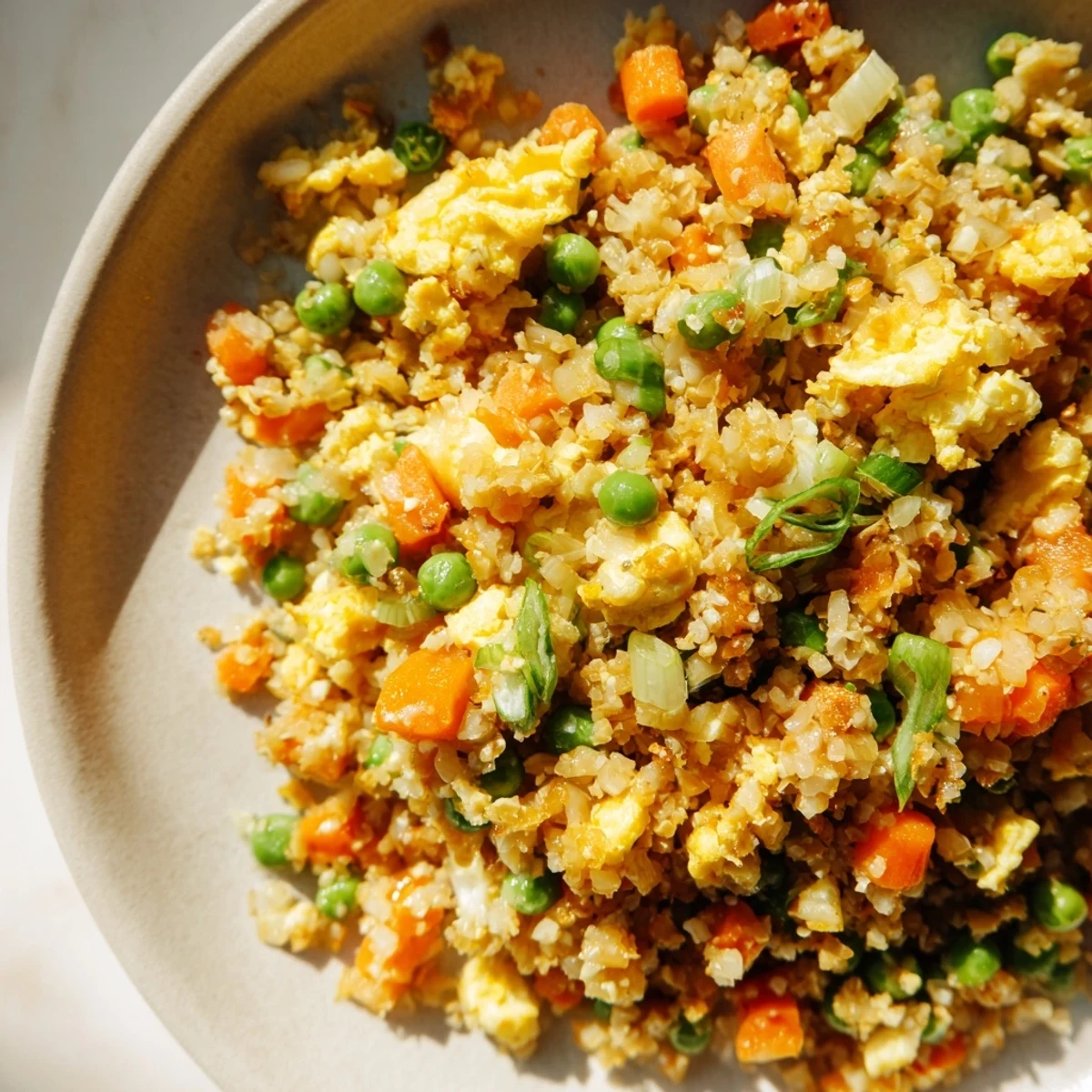
The difference between good cauliflower fried rice and great cauliflower fried rice comes down to texture. You want each grain to have a bit of bite, not be soft and mushy like steamed cauliflower. I have found that keeping the heat relatively high and cooking it quickly preserves that fresh, slightly crisp texture that makes you forget you are not eating actual rice.
Serving Ideas
This works beautifully as a standalone meal or as a side alongside grilled meats or tofu. I have also served it in lettuce wraps for a low-carb appetizer that always disappears first at parties. The leftovers reheat surprisingly well in the microwave, though I usually end up eating them cold directly from the fridge for lunch the next day.
- Top with a fried egg for extra protein and a runny yolk that coats everything
- Serve with extra hot sauce on the side for those who like more heat
- Keep the sesame oil handy at the table for an extra drizzle before serving
 Bookmark
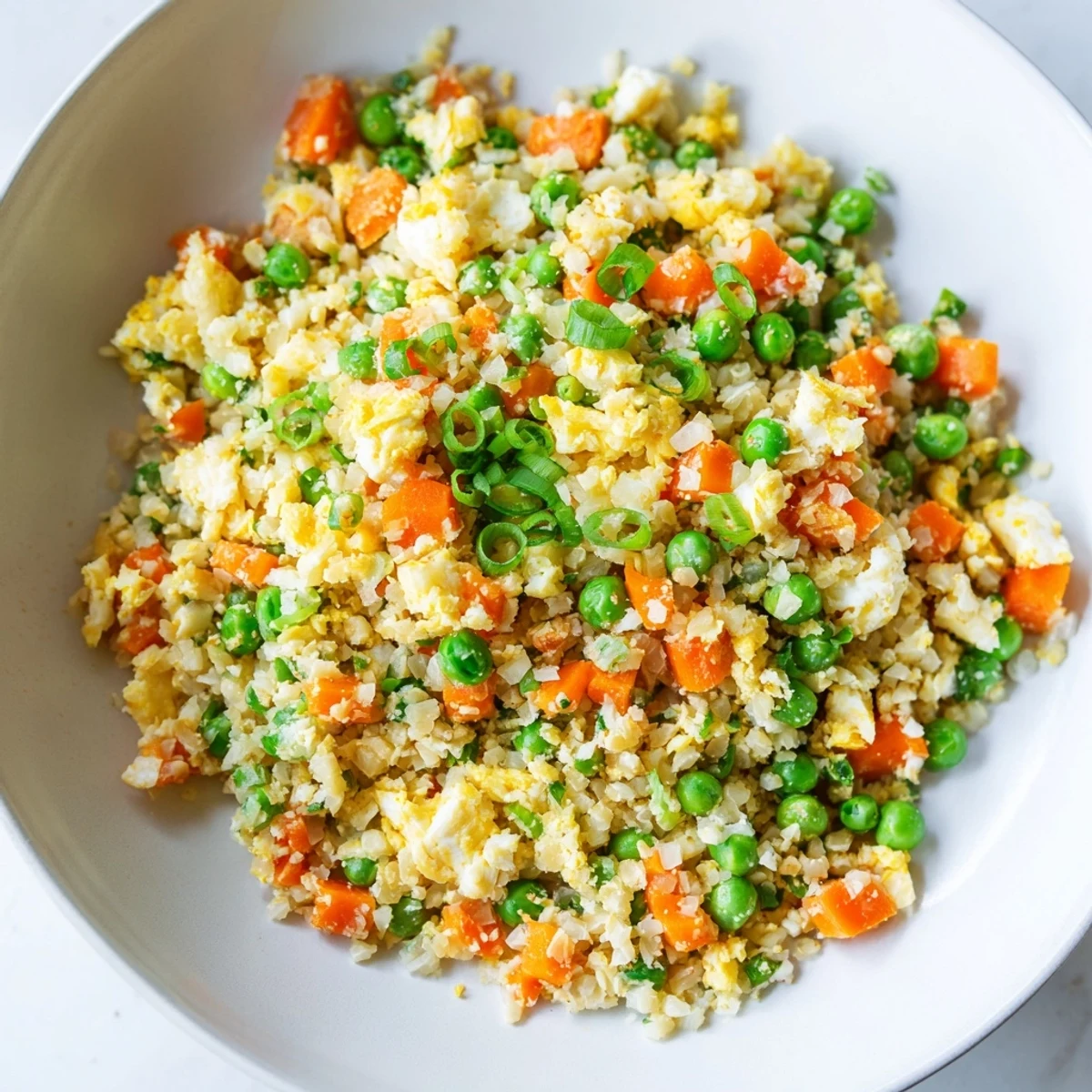
 There is something deeply satisfying about a recipe that transforms humble ingredients into something that feels special and nourishing. This cauliflower fried rice has become one of those meals I return to again and again, always grateful for how it delivers comfort without the heaviness.
Recipe FAQs
- → What does cauliflower rice taste like?
-
Cauliflower rice has a mild, slightly sweet flavor that absorbs seasonings beautifully. When stir-fried with soy sauce, sesame oil, and aromatics, it takes on a savory umami character similar to traditional fried rice while maintaining its light texture.
- → Can I make this ahead of time?
-
While best served fresh, you can prepare the cauliflower rice up to 3 days in advance and store it in the refrigerator. The stir-fry comes together quickly, so it's easy to make just before serving for optimal texture and flavor.
- → Is cauliflower fried rice actually filling?
-
Despite being light and low in carbohydrates, this dish proves quite satisfying. The combination of fiber-rich vegetables, protein from eggs, and healthy fats from sesame oil keeps you full. For extra staying power, consider adding tofu, chicken, or shrimp.
- → What's the best way to rice cauliflower?
-
A food processor makes quick work of ricing cauliflower—simply pulse florets in batches until they reach rice-sized granules. Without a processor, a box grater works perfectly, though it takes more effort. Avoid over-processing or the cauliflower will become mushy.
- → Can I freeze cauliflower fried rice?
-
Yes, this dish freezes well for up to 2 months. Let it cool completely, then store in airtight containers. Reheat in a skillet over medium heat, adding a splash of water or soy sauce to refresh the texture. The vegetables may soften slightly after freezing.
- → How do I prevent soggy cauliflower rice?
-
The key is cooking over medium-high heat and stirring frequently to evaporate moisture. Avoid crowding the pan, and don't cover while cooking. The cauliflower should be tender-crisp, not mushy. If using frozen cauliflower rice, thaw and squeeze out excess water before cooking.
