
 Bookmark
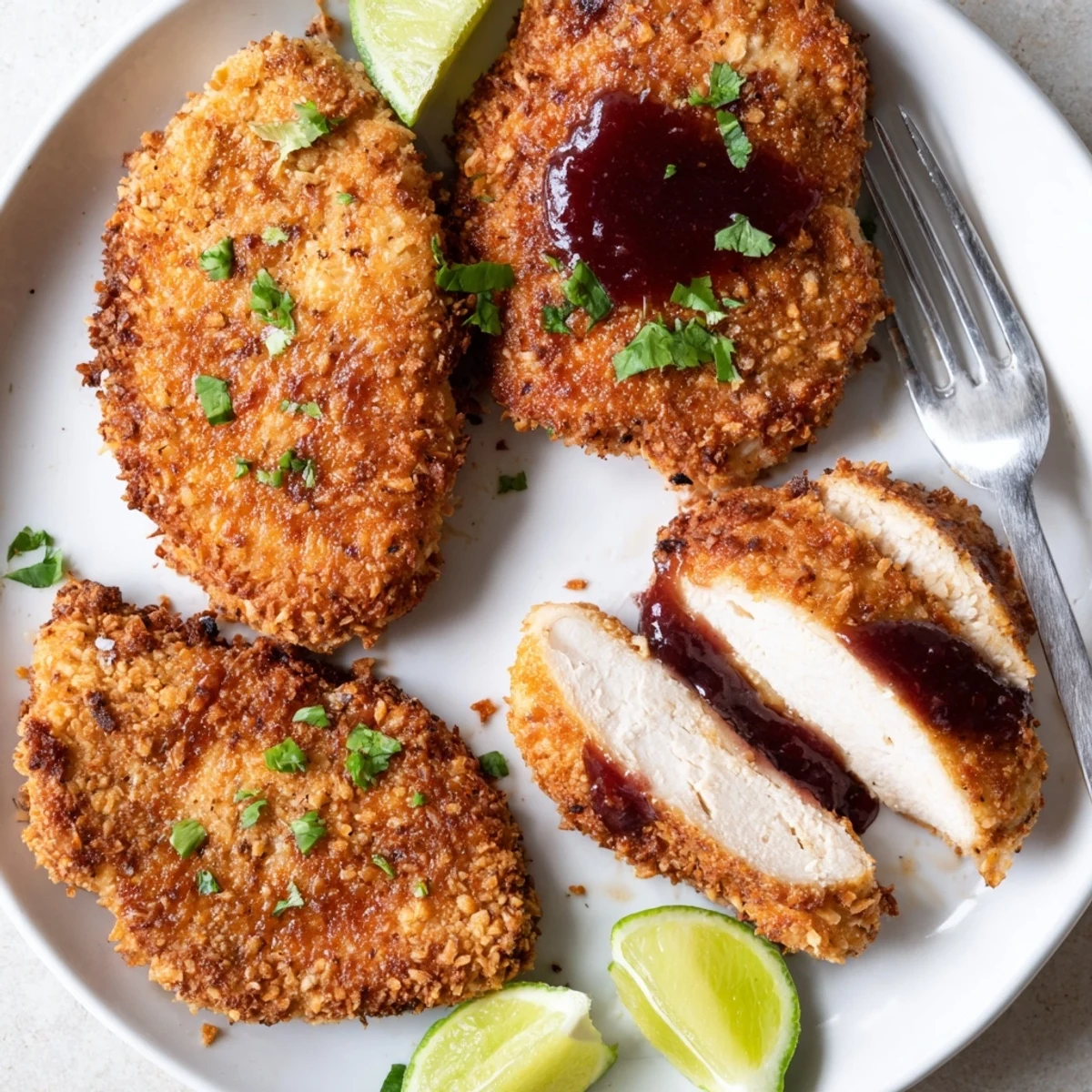
 Coat boneless chicken breasts in gluten-free flour, beaten egg, then a toasted coconut and breadcrumb mix. Quickly sear in coconut oil to set the crust, then finish in a 400°F oven until juices run clear. Simmer apricot preserves with soy, rice vinegar, Dijon, garlic and ginger until glossy; spoon over the chicken. Garnish with cilantro, lime, or toasted cashews. Serves four in about 45 minutes and pairs well with jasmine rice or a crisp green salad.
The sizzle of coconut hitting a hot skillet on a rainy Tuesday evening is one of those sounds that instantly makes a kitchen feel alive, and this coconut chicken with apricot sauce was born from exactly that kind of restless, fridge raiding evening when takeout felt too easy and ambition was running low but hunger was not.
My neighbor Dave wandered over mid cook because he smelled the toasting coconut through the hallway, and he ended up sitting at my counter eating off a cutting board and asking for the recipe before he even finished chewing.
Ingredients
- 4 boneless, skinless chicken breasts: Pound them to even thickness so nothing ends up dry on the edges and raw in the middle.
- 1 cup shredded unsweetened coconut: Unsweetened is non negotiable here, sweetened flakes will burn before the chicken cooks through.
- 1/2 cup gluten free breadcrumbs: They add structure to the coating that coconut alone cannot provide.
- 1/2 cup gluten free flour: The essential first layer that helps the egg and coconut actually stick.
- 2 large eggs: Beaten well until completely smooth for an even adhesive layer.
- 1/2 tsp salt and 1/2 tsp black pepper: Seasoned generously right onto the chicken before breading.
- 2 tbsp coconut oil: The searing oil that ties the whole flavor profile together beautifully.
- 1 cup apricot preserves: The sweet backbone of the sauce, and quality matters so taste it first.
- 2 tbsp soy sauce: Adds the salty depth that makes the sweetness of apricot feel grown up.
- 1 tbsp rice vinegar: Just enough acidity to keep the sauce from feeling cloying.
- 1 tbsp Dijon mustard: A quiet but powerful player that rounds everything out.
- 1 clove garlic, minced: Fresh only, jarred garlic will let you down here.
- 1/2 tsp grated fresh ginger: Optional on paper but never optional in my kitchen.
- 2 tbsp chopped fresh cilantro and lime wedges: For finishing, and the lime squeeze is mandatory in my opinion.
Instructions
- Preheat and prep your station:
- Crank the oven to 400 degrees and line a baking sheet with parchment so nothing sticks during the final roast.
- Build your breading line:
- Set out three shallow dishes with flour in the first, beaten eggs in the second, and the combined coconut and breadcrumbs in the third, because a smooth workflow here means no messy fingers halfway through.
- Season and bread the chicken:
- Pat the chicken dry, season with salt and pepper, then work through flour, egg, and coconut one at a time, pressing firmly so the coating really grabs on.
- Sear to golden perfection:
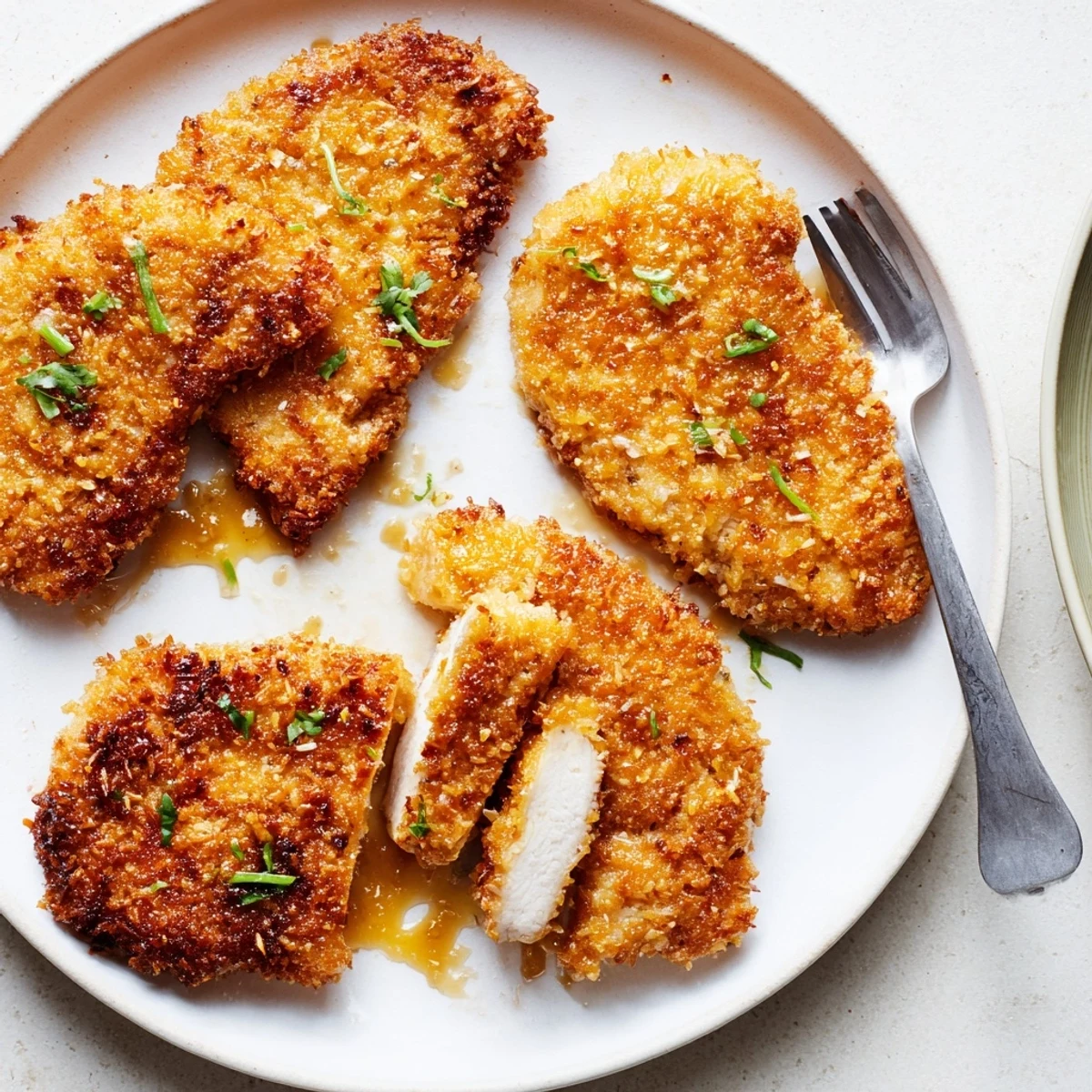
- Heat coconut oil in a skillet over medium high and sear each breast two to three minutes per side until that coconut turns a deep warm gold, then move them to the baking sheet.
- Finish in the oven:
- Bake fifteen to eighteen minutes until the chicken is cooked through and the juices run completely clear when you cut into the thickest part.
- Make the apricot sauce:
- While the chicken bakes, combine the preserves, soy sauce, rice vinegar, mustard, garlic, and ginger in a small saucepan over medium heat, stirring until smooth and slightly thickened, about four to five minutes.
- Plate and serve:
- Drizzle that glossy apricot sauce over the hot chicken, scatter cilantro on top, and hand everyone a lime wedge with zero exceptions.
 Bookmark
 That night Dave came back the following weekend with a jar of apricot preserves and asked if we could make it again, which is honestly the highest compliment a recipe can receive.
Getting The Crunch Right
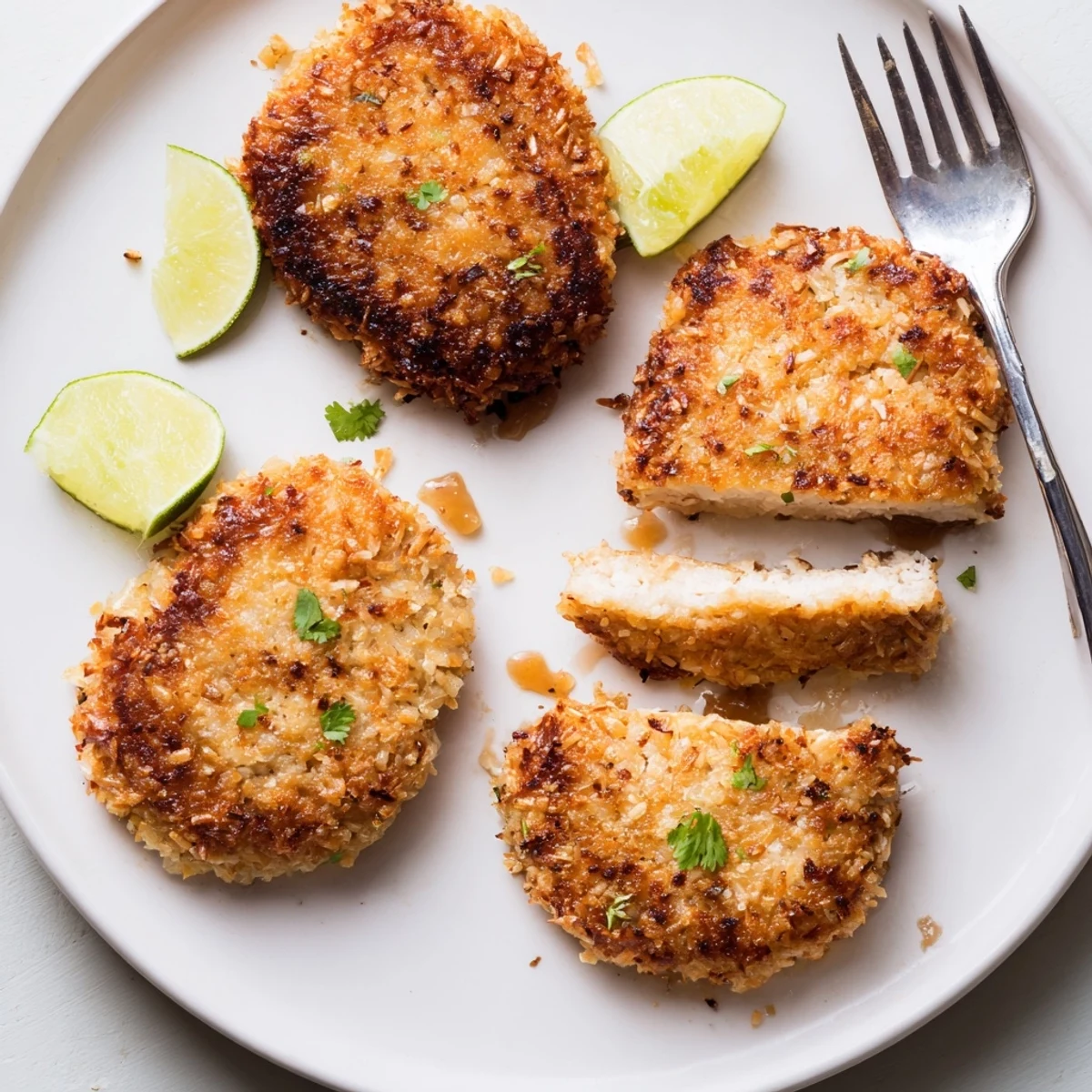
The trick to a coating that survives the oven without going soggy is making sure your breading stations are set up before your hands get messy, and pressing the coconut mixture firmly onto every surface of the chicken with purpose.
Sauce Adjustments On The Fly
Taste the sauce before you take it off the heat, because apricot preserves vary wildly in sweetness depending on the brand, and sometimes you need an extra splash of vinegar or a little more soy sauce to bring it into balance.
What To Serve Alongside
Jasmine rice is the obvious move because it soaks up every drop of that apricot sauce, but a crisp green salad with a lime vinaigrette cuts through the richness beautifully if you want something lighter.
- Toasted cashews tossed into the coconut mixture add an unexpected crunch that people always ask about.
- A pinch of red pepper flakes in the sauce transforms the whole dish into something with real heat behind the sweetness.
- Remember that this chicken reheats surprisingly well the next day if you keep the sauce separate.
 Bookmark
 Some recipes earn a permanent spot in the rotation because they are easy, and some earn it because they make people happy, and this one somehow manages to do both at once.
Recipe FAQs
- → Can I use chicken thighs instead of breasts?
-
Yes. Bone-in or boneless thighs work and stay juicy; reduce oven time if small, or bake a bit longer for bone-in pieces. Check for clear juices and an internal temperature of 165°F.
- → How do I keep the coconut crust from falling off?
-
Press the coconut-breadcrumb mix firmly onto the chicken, chill for 10–15 minutes before searing, and don't overcrowd the pan. Searing sets the coating before baking.
- → Any tips for toasting the coconut?
-
Toast shredded coconut in a dry skillet over medium heat, stirring constantly until golden and fragrant. Cool before mixing with breadcrumbs to preserve crunch.
- → How can I make the apricot sauce smoother?
-
Warm the preserves with the soy, vinegar, mustard, garlic and ginger, then whisk until glossy. For extra smoothness, blend briefly or strain before serving.
- → What gluten-free swaps should I use?
-
Use gluten-free all-purpose flour and gluten-free breadcrumbs. Ensure the soy sauce is tamari or labeled gluten-free to avoid wheat-based soy sauce.
- → How should leftovers be stored and reheated?
-
Store chicken and sauce separately in airtight containers in the fridge for 3–4 days. Reheat chicken in a 350°F oven to preserve crispness; warm the sauce gently on the stove.
