
 Bookmark
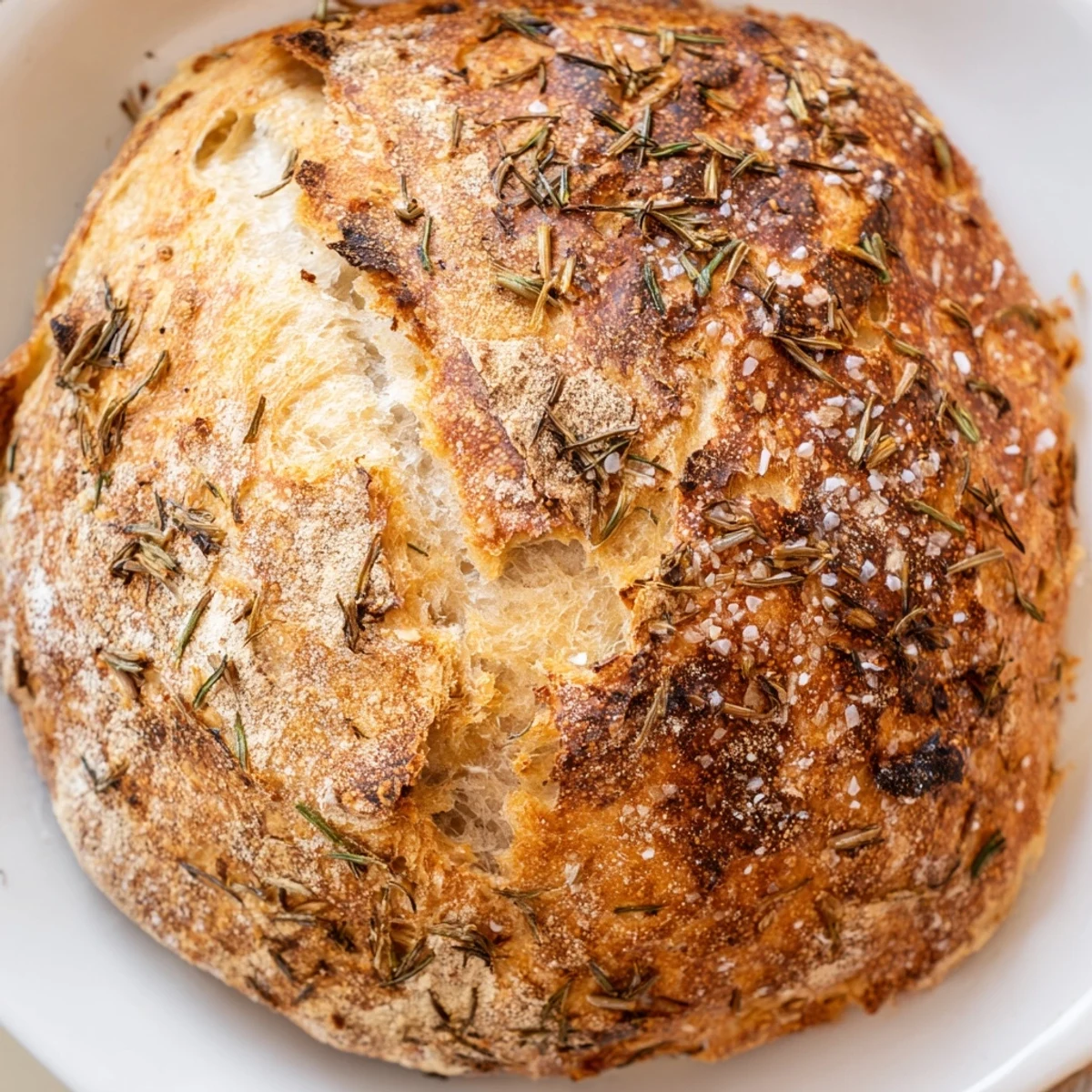
 Craft a stunning artisan loaf with professional bakery results using your Dutch oven. This European-style bread combines deeply roasted garlic cloves with fragrant fresh rosemary, creating an aromatic masterpiece that fills your kitchen with incredible scents. The Dutch oven method generates steam for an exceptionally crispy crackling crust while keeping the interior tender and airy.
The process involves simple mixing, patient rising, and a transformative bake that yields restaurant-quality results. Perfect for serving alongside soups, stews, or simply enjoyed with olive oil and balsamic vinegar.
Last winter my kitchen became obsessed with achieving that perfect crackly crust you only get from bakery bread. After five failed attempts with different flours and hydration ratios, this Dutch oven version finally made me understand why people get so passionate about bread baking. The smell of rosemary and roasted garlic took over my entire apartment, and I had neighbors knocking on my door asking what I was making.
My sister came over unexpectedly last weekend, and we ended up eating half the loaf standing at the counter while it was still too hot to touch properly. She texted me the next day saying she could not stop thinking about that bread. Now I make two loaves every time because one simply is never enough anymore.
Ingredients
- Bread flour: Higher protein content than all-purpose flour gives this bread structure and those beautiful chewy air pockets inside
- Active dry yeast: Make sure your water is warm but not hot, or you will kill the yeast before it even starts working
- Fine sea salt: This controls fermentation and enhances flavor, but do not add it directly on top of the yeast or it will inhibit growth
- Lukewarm water: Think bathwater temperature, around 100°F to 105°F, to activate the yeast without shocking it
- Fresh rosemary: Dried rosemary works in a pinch, but fresh needles chopped fine release so much more aromatic oil into the dough
- Roasted garlic: Roasting mellows the sharp bite and brings out sweet nutty flavors that get distributed throughout every bite
- Flaky sea salt: This is your finishing touch that adds crunch and little bursts of salty contrast to each slice
Instructions
- Roast the garlic head first:
- Slice off the top third of the garlic head, drizzle with olive oil, wrap tightly in foil, and roast at 400°F for about 35 minutes until the cloves are soft and golden. Let it cool enough to handle, then squeeze out those roasted cloves and mash them into a paste.
- Mix your dough:
- Combine the bread flour, yeast, and salt in a large bowl, then pour in the lukewarm water. Stir until you have a shaggy, sticky dough, then fold in the mashed roasted garlic and chopped rosemary until evenly distributed throughout.
- Let it rise:
- Cover the bowl with a clean towel or plastic wrap and set it somewhere warm for 1 to 2 hours. The dough should double in size and look puffy with bubbles on the surface.
- Shape the loaf:
- Turn the dough out onto a floured surface and fold the edges toward the center to create a tight ball. Place it seam-side down on parchment paper, brush with olive oil, and sprinkle with flaky salt and extra rosemary if you want extra flavor on top.
- Second rest:
- Cover the dough and let it relax for 30 minutes while you preheat your Dutch oven.
- Heat your Dutch oven:
- Place your empty Dutch oven with its lid into a cold oven, then heat to 450°F and let it get screaming hot for at least 30 minutes. This preheating step is crucial for getting that initial oven spring.
- Bake covered:
- Carefully lift the parchment paper with the dough and lower it into the hot Dutch oven. Cover immediately with the lid and bake for 30 minutes to trap the steam.
- Finish baking:
- Remove the lid and bake for another 12 to 15 minutes until the crust is deep golden brown and sounds hollow when tapped.
- Cool completely:
- Transfer the bread to a wire rack and wait at least 30 minutes before slicing into it. Cutting too early will release steam and make the inside gummy.
 Bookmark
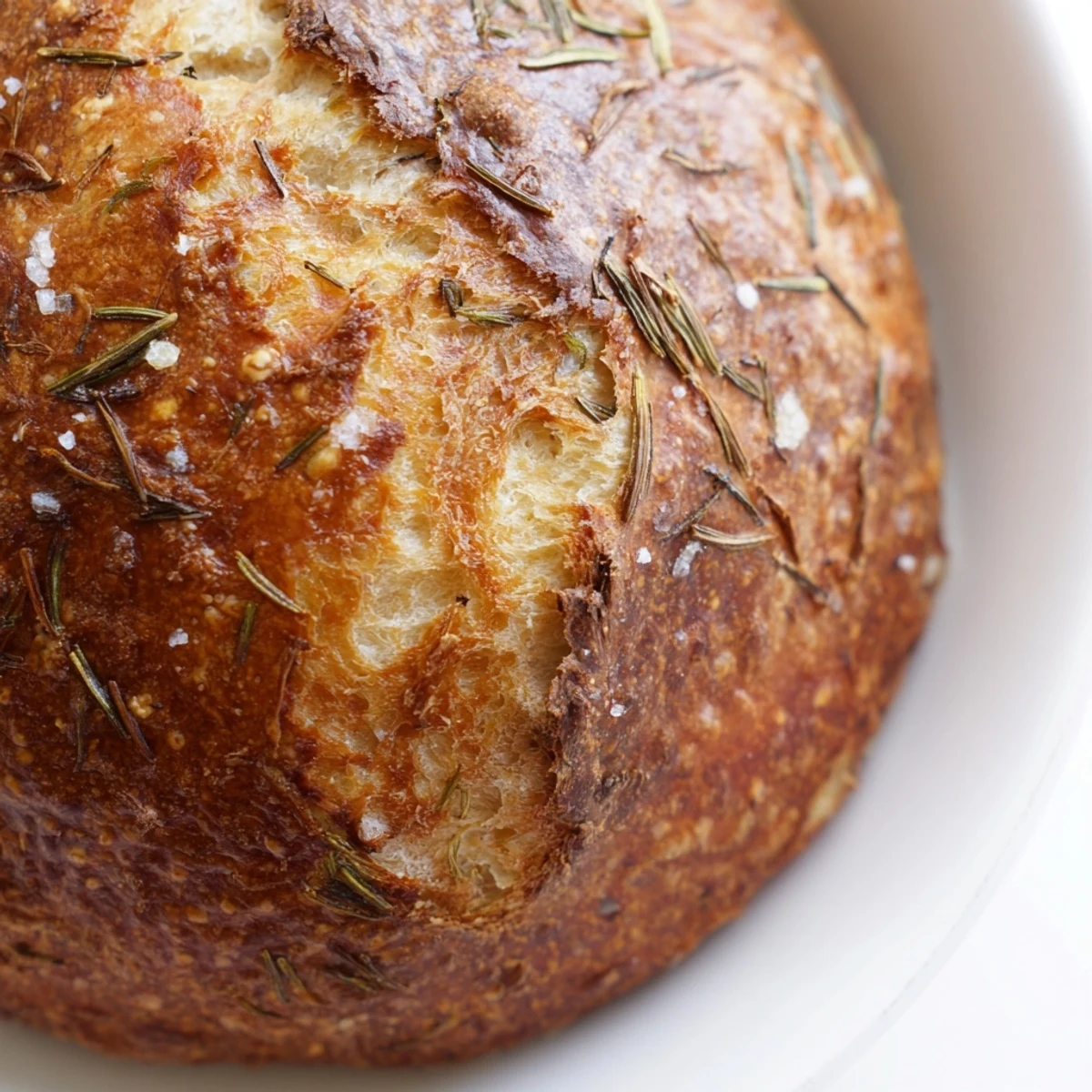
 This bread has become my go-to contribution for dinner parties because people always assume it came from a high-end bakery. I love watching faces light up when I explain it came from my own kitchen.
Choosing the Right Dutch Oven
Enamel-coated cast iron works beautifully, but any heavy pot with a tight-fitting lid will do the job. I started with an inexpensive 5-quart model that served me well for years. The key is something that can hold high heat and trap steam effectively.
Timing Your Bread
I like starting this in the morning so the first rise happens while I drink coffee and catch up on emails. The active hands-on time is only about 20 minutes total. Most of the magic happens while you are doing other things around the house.
Storing and Freezing
This bread keeps surprisingly well on the counter for up to two days, wrapped in a cloth bag. For longer storage, slice it before freezing so you can grab individual pieces and toast them straight from frozen.
- Never refrigerate homemade bread, it actually makes it stale faster than leaving it at room temperature
- Revive day-old bread with a quick sprinkle of water and 5 minutes in a 350°F oven
- This recipe doubles easily if you want to gift a loaf to a friend
 Bookmark
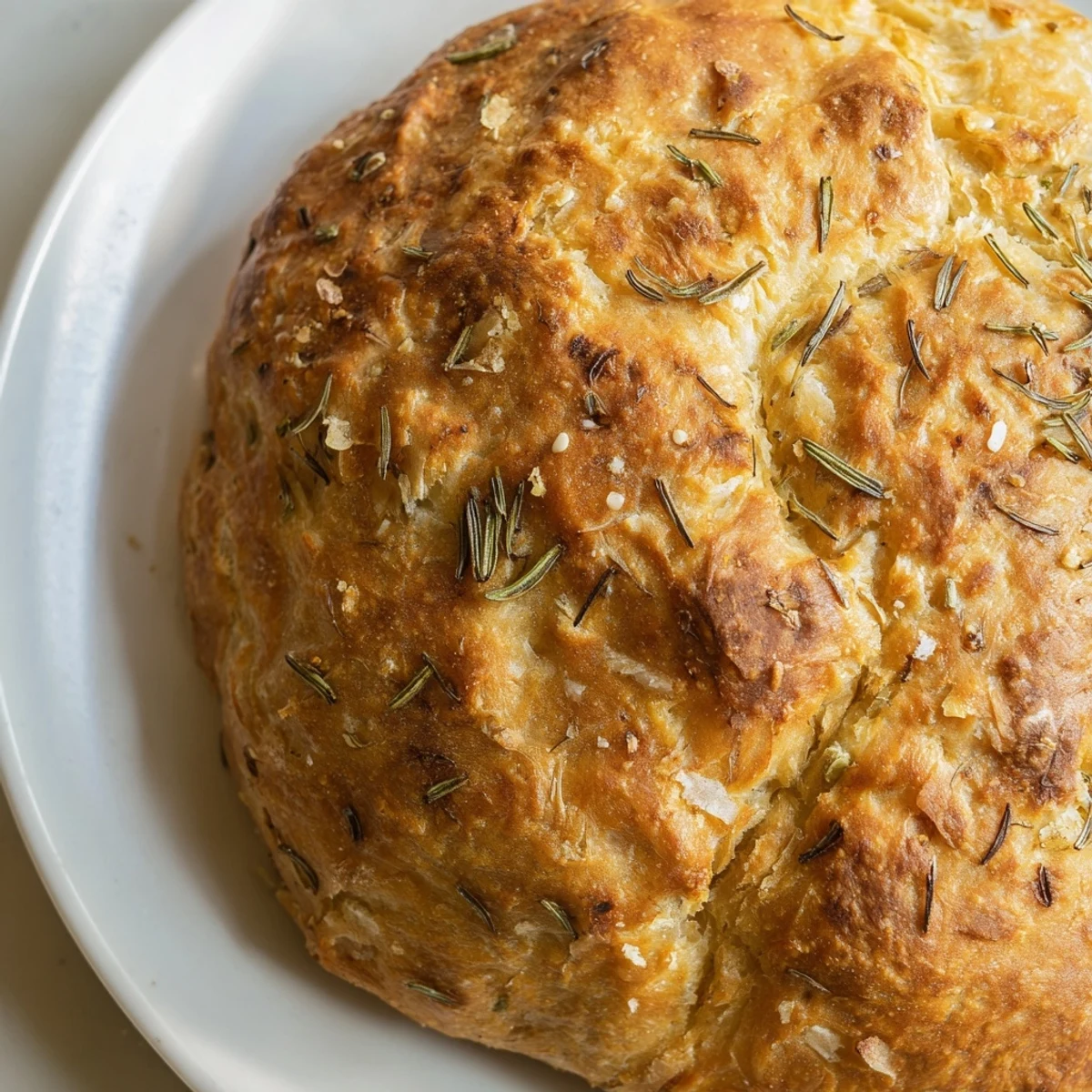
 There is something deeply satisfying about pulling a gorgeous loaf of bread from your own oven. This recipe might just turn you into the person everyone begs for bread.
Recipe FAQs
- → Why bake bread in a Dutch oven?
-
A Dutch oven creates a steam-filled environment that mimics professional deck ovens. The trapped moisture allows the dough to expand fully before the crust sets, resulting in excellent oven spring and a beautifully crisp, crackling crust that stays tender inside.
- → Can I use instant yeast instead of active dry yeast?
-
Yes, instant yeast can be used directly in the dough without proofing first. Use the same amount (7g) and mix it with the flour. Active dry yeast requires activation in warm water first, but both yield excellent results.
- → How do I know when the garlic is properly roasted?
-
Roasted garlic should be soft, golden-brown, and easily squeezable from its skins. The cloves will have a sweet, mellow flavor completely different from raw garlic. If they're still firm or white, continue roasting in 5-minute increments.
- → Can I substitute all-purpose flour for bread flour?
-
Bread flour has higher protein content, creating better structure and chew. All-purpose flour works but may produce a slightly denser loaf with less rise. For best results, use bread flour or combine half all-purpose with half bread flour.
- → How should I store this bread?
-
Store at room temperature in a paper bag or wrapped in a clean cloth for up to 2 days. Avoid plastic bags which trap moisture and soften the crust. For longer storage, slice and freeze in freezer bags, then thaw individual slices as needed.
- → Why is the second rise only 30 minutes?
-
The shorter second rest allows the dough to relax and recover from shaping without over-proofing. Since the dough has already doubled during the first rise, this brief period ensures optimal oven spring and prevents the loaf from collapsing during baking.
