
 Bookmark
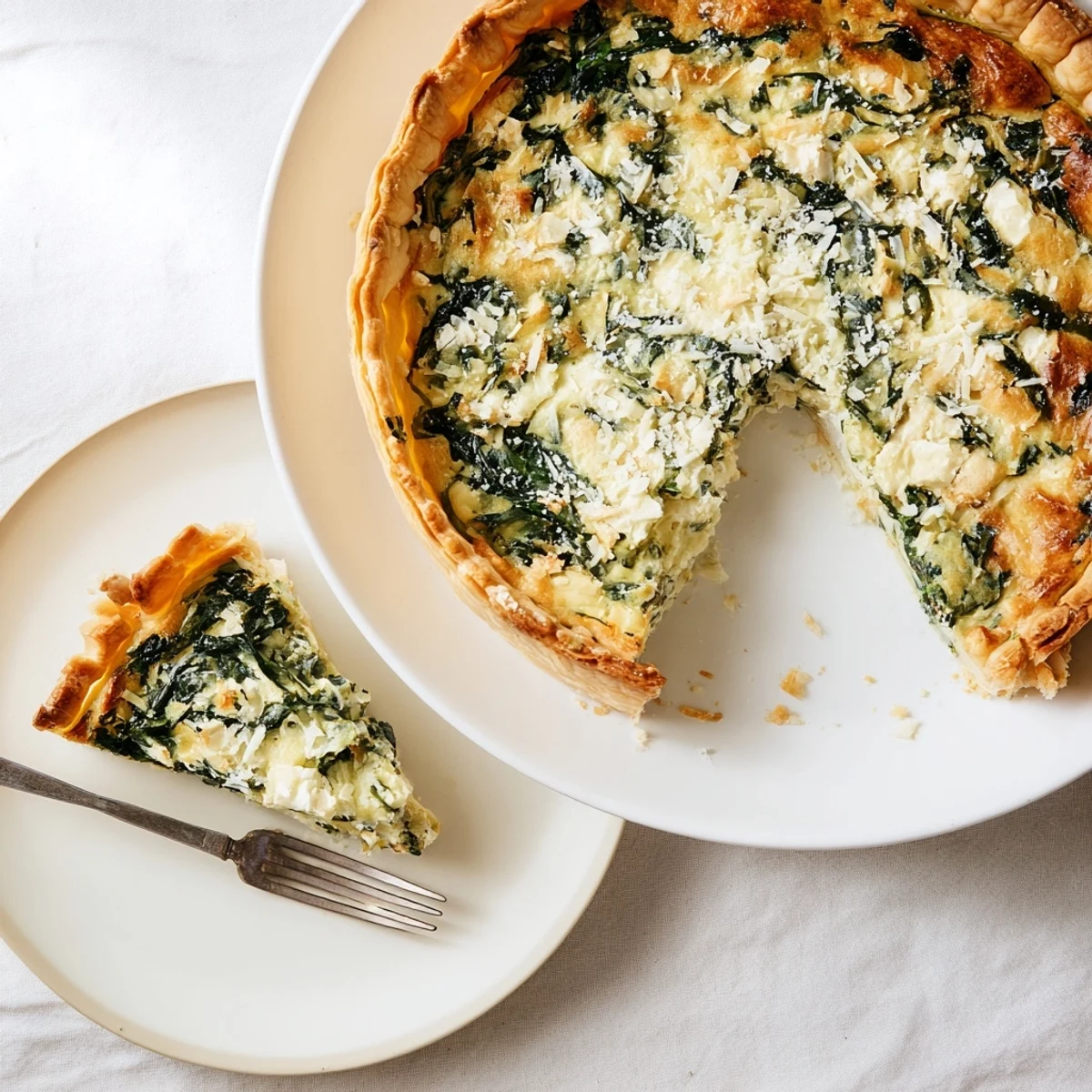
 This savory pastry features a homemade buttery crust enveloping a rich filling of wilted silverbeet, creamy ricotta, and parmesan. The custard-like center is delicately spiced with fresh nutmeg and black pepper. After 45 minutes in the oven, the golden crust provides the perfect contrast to the tender, herbaceous interior. Serve slightly warm with a crisp green salad for a complete meal.
I was nursing a serious silverbeet glut from my garden last spring, trying everything to use up the endless harvest before it bolted. This pie became my Saturday morning ritual—pastry flour dusting my counter, the kitchen filling with the earthy smell of wilting greens and butter. Something about the way the ricotta mellows into the silverbeet, nutmeg humming quietly in the background, turned what could have been garden chore cooking into something I actually started craving.
My neighbor Sarah dropped by during one of these pie sessions and ended up staying for lunch, which turned into a standing weekly date. We would eat wedges straight from the pie dish, still warm enough to burn the roof of your mouth if you were not careful, debating whether the edge pieces or the center slices were superior.
Ingredients
- All-purpose flour: Cold butter needs flour to coat it properly, so keep everything chilled until the moment you need it
- Unsalted butter: Cold and cut into small cubes makes the rubbing in process faster and more even
- Silverbeet: Remove those tough stems but do not discard them—they cook down beautifully in other dishes
- Ricotta: Full fat makes a difference here, giving the filling body and richness
- Nutmeg: Freshly grated is barely recognizable compared to the pre ground stuff in your pantry
Instructions
- Make the pastry dough:
- Rub the butter into the flour with your fingertips until it looks like coarse bread crumbs, then add water gradually until the dough just holds together. Overworking it makes for tough pastry, so stop as soon as it forms a ball, then wrap and let it rest in the fridge.
- Cook the silverbeet mixture:
- Let the onion soften completely in the olive oil before adding garlic—burnt garlic bitterness will ruin the delicate filling. Cook the silverbeet until all the liquid has evaporated, otherwise you will end up with a soggy bottom crust.
- Assemble the filling:
- Let the silverbeet cool slightly before mixing it with the ricotta and eggs, or the eggs will start to cook in the bowl. Pour everything into your pastry lined dish and finish with that extra parmesan on top—it creates the most gorgeous golden crust.
 Bookmark
 The week my sister visited from overseas, I made three of these pies in five days. She took the recipe home to Melbourne, where silverbeet is just called spinach, and now we compare notes about which seasonal greens work best.
Pastry Without the Panic
If pastry dough has always been your nemesis, this is the recipe to conquer it with. The filling is forgiving, so even if your crust shrinks or tears, the pie will still taste incredible and hold together when sliced. I have made this with store bought puff pastry in a pinch, and while it is delicious, the short crust is what makes it feel like something from a European bakery.
Seasonal Swaps
Silverbeet works year round, but I have found that different seasons bring out different qualities. Winter silverbeet is sweeter and more tender, while summer leaves can take an extra minute in the pan. Spinach works, though you will need twice as much to get the same substance—kale is surprisingly good if you remove the ribs and chop it finely.
Make Ahead Wisdom
This pie is actually better if it has time to rest, making it perfect for entertaining. You can bake it a day ahead and serve it at room temperature, or wrap individual slices and freeze them for emergency lunches. The pastry stays remarkably crisp for a day or two, though I rarely have leftovers beyond that.
- Let the pie cool for at least 20 minutes before slicing—hot filling will slide everywhere
- A serrated knife cuts through the crust without shattering it
- Leftovers reheat beautifully in a moderate oven, though the microwave will make the pastry sad
 Bookmark
 This is the kind of food that makes people feel taken care of, whether they know it or not.
Recipe FAQs
- → Can I use spinach instead of silverbeet?
-
Yes, fresh spinach works beautifully as a substitute. Use the same weight and ensure you cook it until wilted and excess moisture evaporates before mixing with the ricotta.
- → How long does this keep in the refrigerator?
-
Store cooled slices in an airtight container for up to 3 days. Reheat gently in a 160°C oven for 10-15 minutes to restore the pastry's crispness.
- → Can I make this ahead of time?
-
Prepare the pastry dough and filling components separately up to 24 hours in advance. Assemble and bake when ready to serve for the best texture and flavor.
- → What can I serve with this pie?
-
A simple green salad with vinaigrette complements the richness perfectly. Roasted vegetables or fresh tomato slices also make excellent accompaniments.
- → Is this suitable for freezing?
-
Yes, freeze the baked and completely cooled pie wrapped tightly for up to 2 months. Thaw overnight in the refrigerator before reheating.
- → Can I make it gluten-free?
-
Simply replace the wheat flour pastry with your preferred gluten-free pastry blend. The filling itself is naturally gluten-free.
