
 Bookmark
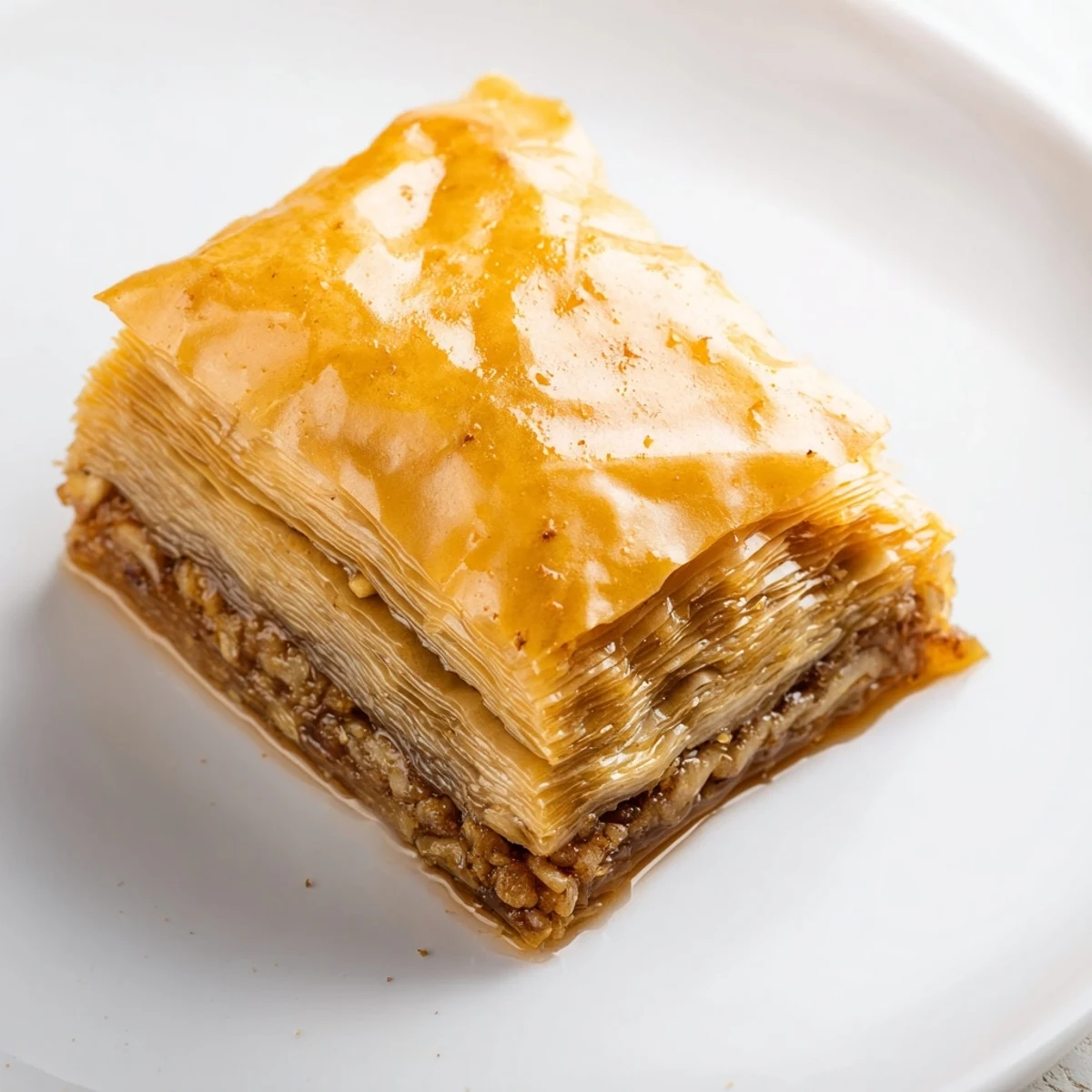
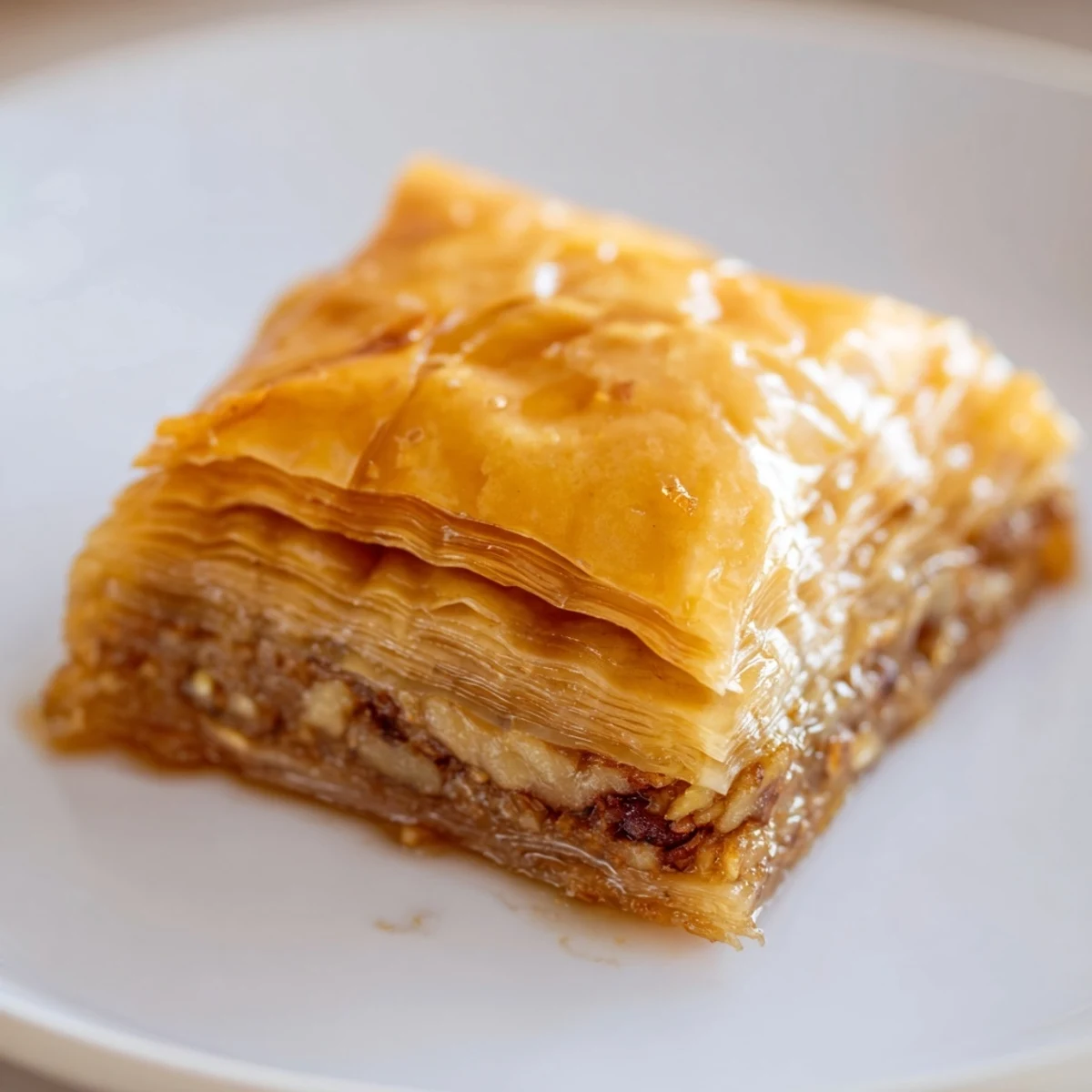
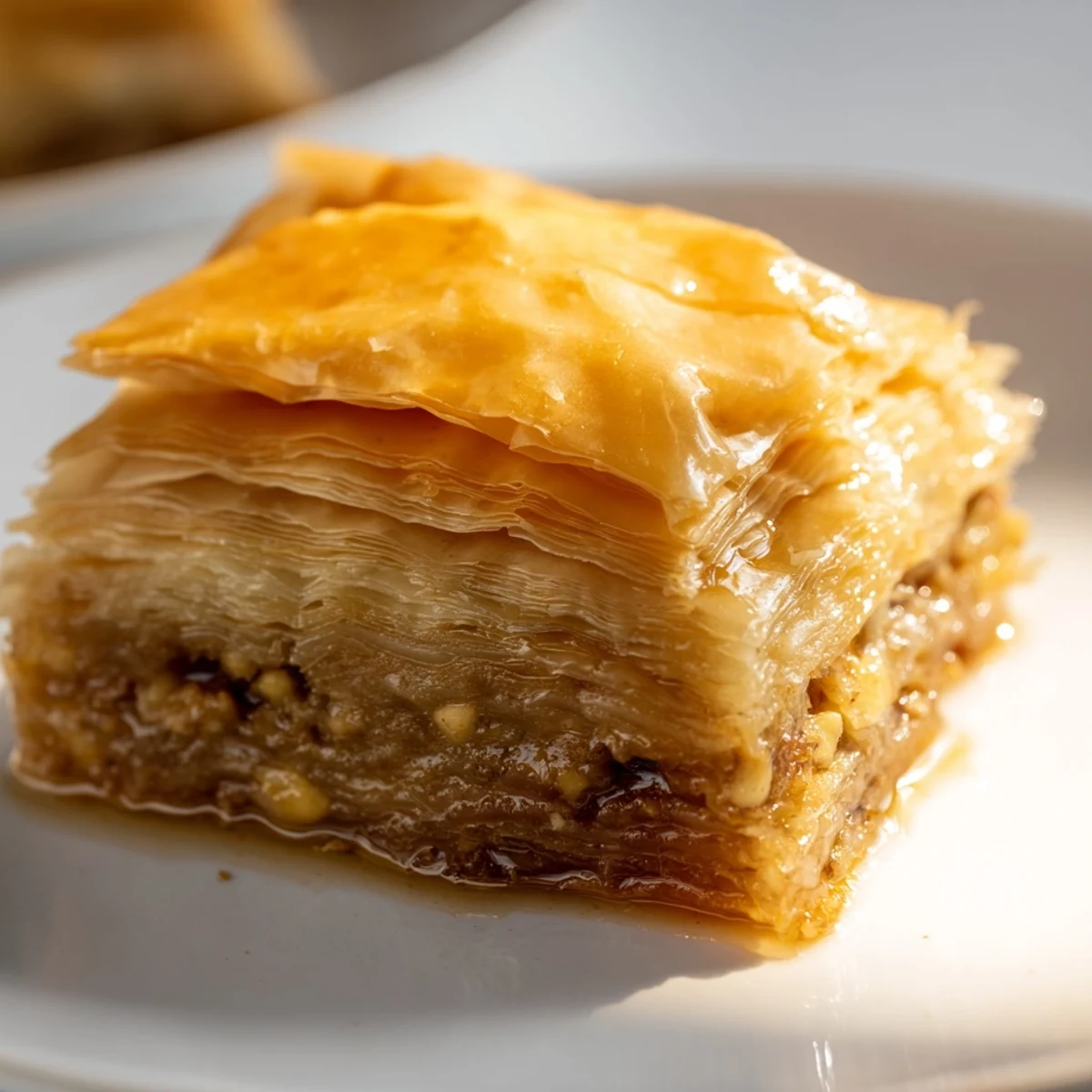
 This classic Mediterranean sweet features delicate layers of phyllo pastry brushed with butter and filled with a aromatic blend of walnuts, pistachios, almonds, cinnamon, and cloves. After baking to golden perfection, warm honey syrup infused with cinnamon and lemon is poured over the top, creating that signature sticky, sweet texture. The result is a rich, flaky dessert that improves with time as the syrup fully permeates every layer.
The scent of cinnamon and warm honey still takes me back to my aunt's tiny kitchen in Athens, where she'd let me 'help' by brushing the phyllo sheets with butter. My nine-year-old hands shook every time, terrified of tearing that delicate paper, while she laughed and said baklava is forgiving if your heart is in it. Now I make it in my own kitchen, and somehow that first golden bite still tastes like summer afternoons and stolen moments.
Last Christmas, I made three pans for different gatherings and each time someone asked if I'd spent all day working on it. The truth is, the prep goes quickly once you find your rhythm with the phyllo. Watching guests' eyes light up when that first honey soaked diamond hits their plate is worth every layer.
Ingredients
- Walnuts, pistachios, and almonds: This trio creates the most nuanced flavor profile walnuts bring earthiness, pistachios add subtle sweetness, and almonds provide delicate crunch
- Ground cinnamon and cloves: The warmth of these spices cuts through the richness and gives baklava its signature cozy aroma
- Phyllo dough: Keep it covered with a damp cloth while working, because dried out sheets will crack and frustrate you endlessly
- Unsalted butter, melted: Brush each layer lightly but thoroughly, because butter is what creates those gorgeous golden flaky layers
- Granulated sugar: A small amount in the nut filling balances the nuts' natural bitterness
- Honey: Use a good quality honey here, since its floral notes really shine in the finished syrup
- Cinnamon stick and lemon peel: These aromatics infuse the syrup with subtle complexity that makes all the difference
Instructions
- Preheat your oven and prepare the pan:
- Heat to 170°C and butter your baking dish thoroughly, getting into all the corners so nothing sticks later
- Mix the nut filling:
- Combine all three nuts with cinnamon, cloves, and sugar until evenly distributed, then set it aside where you can reach it easily
- Get your phyllo ready:
- Unroll the dough and cover it immediately with a slightly damp kitchen towel, because phyllo dries out faster than you'd believe
- Build the first layer:
- Lay down eight sheets of phyllo, brushing each one with butter before adding the next, and don't worry if they tear a little
- Add the first nut layer:
- Sprinkle one third of your nut mixture evenly across the phyllo, reaching almost to the edges
- Repeat the layers:
- Add four more buttered phyllo sheets, another third of nuts, four more sheets, the remaining nuts, then finish with four final sheets
- Cut before baking:
- Use your sharpest knife to cut diamonds or squares all the way through, because trying to cut crispy baklava later is a mess
- Bake until golden:
- Let it go for 45 to 50 minutes until every layer is deeply golden and fragrant
- Make the syrup while it bakes:
- Simmer sugar, water, honey, cinnamon, and lemon peel for 10 minutes, then let it cool slightly while you wait
- The crucial final step:
- Pour that warm syrup over hot baklava the moment it comes out of the oven, hearing it sizzle as it absorbs
 Bookmark
 My cousin once poured cold syrup over room temperature baklava and ended up with a soggy, disappointing mess. We still laugh about it, but honestly, that mistake taught me more than any recipe book ever could.
Working with Phyllo
The phyllo sheets might seem intimidating, but they're actually quite forgiving if you work methodically. Keep your workspace clear, have your butter ready, and don't rush the brushing process.
Making the Perfect Syrup
I've learned that the syrup consistency matters more than exact measurements. It should coat a spoon thinly but still drip off, and adding that splash of orange blossom water at the end creates the most beautiful floral finish.
Serving and Storage
Baklava keeps beautifully at room temperature for days, and I honestly think it tastes better on day two when the syrup has fully penetrated every layer. Serve small pieces, because this dessert is rich and meant to be savored slowly.
- A cup of strong Greek coffee is the perfect companion
- Mint tea helps cut through the sweetness beautifully
- Let guests admire the layers before they dig in
 Bookmark
 There's something deeply satisfying about serving baklava to people you love, watching that moment of pure delight when they take their first bite. Good food creates the best memories.
Recipe FAQs
- → What makes baklava authentic?
-
Authentic baklava uses thin phyllo dough layered with butter and filled with ground nuts like walnuts and pistachios. The key is pouring warm honey syrup over hot pastry, allowing it to absorb completely while cooling.
- → How do I prevent phyllo from drying out?
-
Keep unused phyllo sheets covered with a lightly damp cloth while working. Work quickly but carefully, brushing each layer with butter before adding the next. Don't let the cloth touch the dough directly.
- → Why is my baklava soggy?
-
Sogginess usually occurs from pouring cold syrup onto hot pastry or using too much syrup. Ensure both syrup and baklava are warm when combining, and pour slowly and evenly. The syrup should be absorbed, not pool on top.
- → Can I make baklava ahead of time?
-
Baklava actually improves after a day as the syrup fully penetrates the layers. Store at room temperature covered for up to 5 days. It's perfect for making in advance for gatherings and special occasions.
- → What nuts work best in baklava?
-
Walnuts and pistachios are traditional Greek choices, often combined with almonds. The nuts should be finely chopped but not ground into powder. Toasting them lightly beforehand enhances their natural flavor.
- → How do I cut baklava before baking?
-
Use a sharp knife to cut through all layers before baking. Diamond shapes are traditional, but squares work too. Cut completely through to the bottom of the pan. This ensures even syrup absorption and clean portions after soaking.
