
 Bookmark
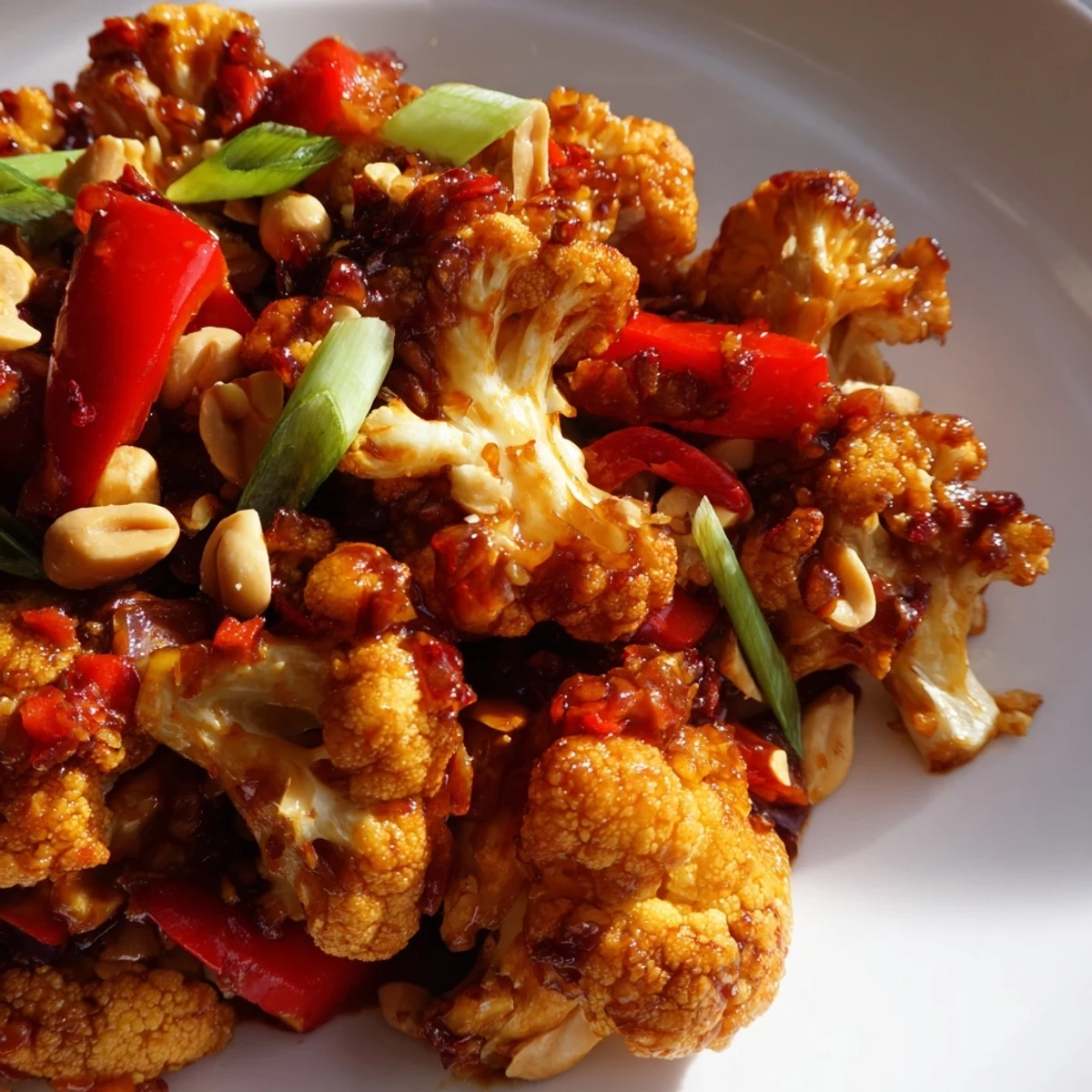
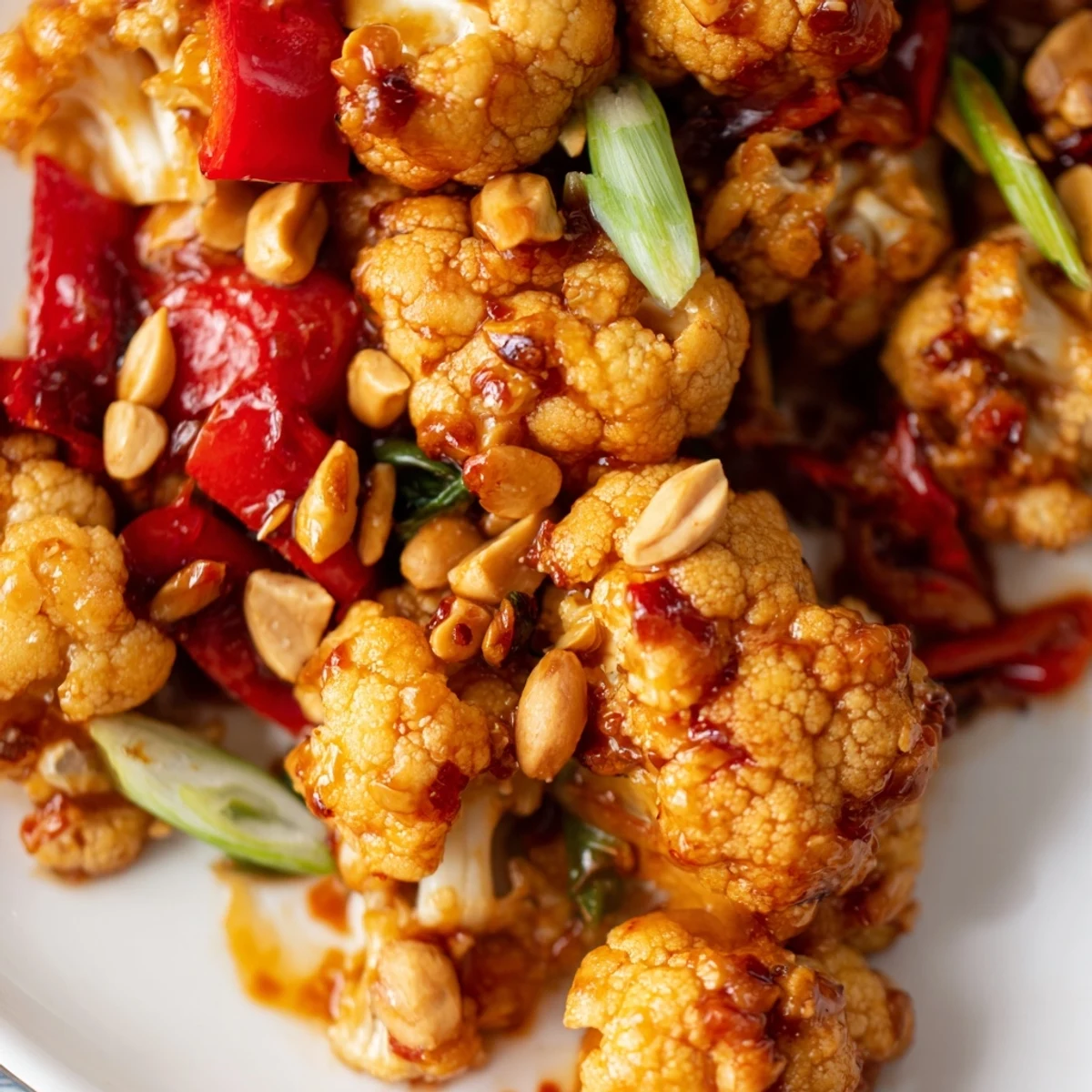
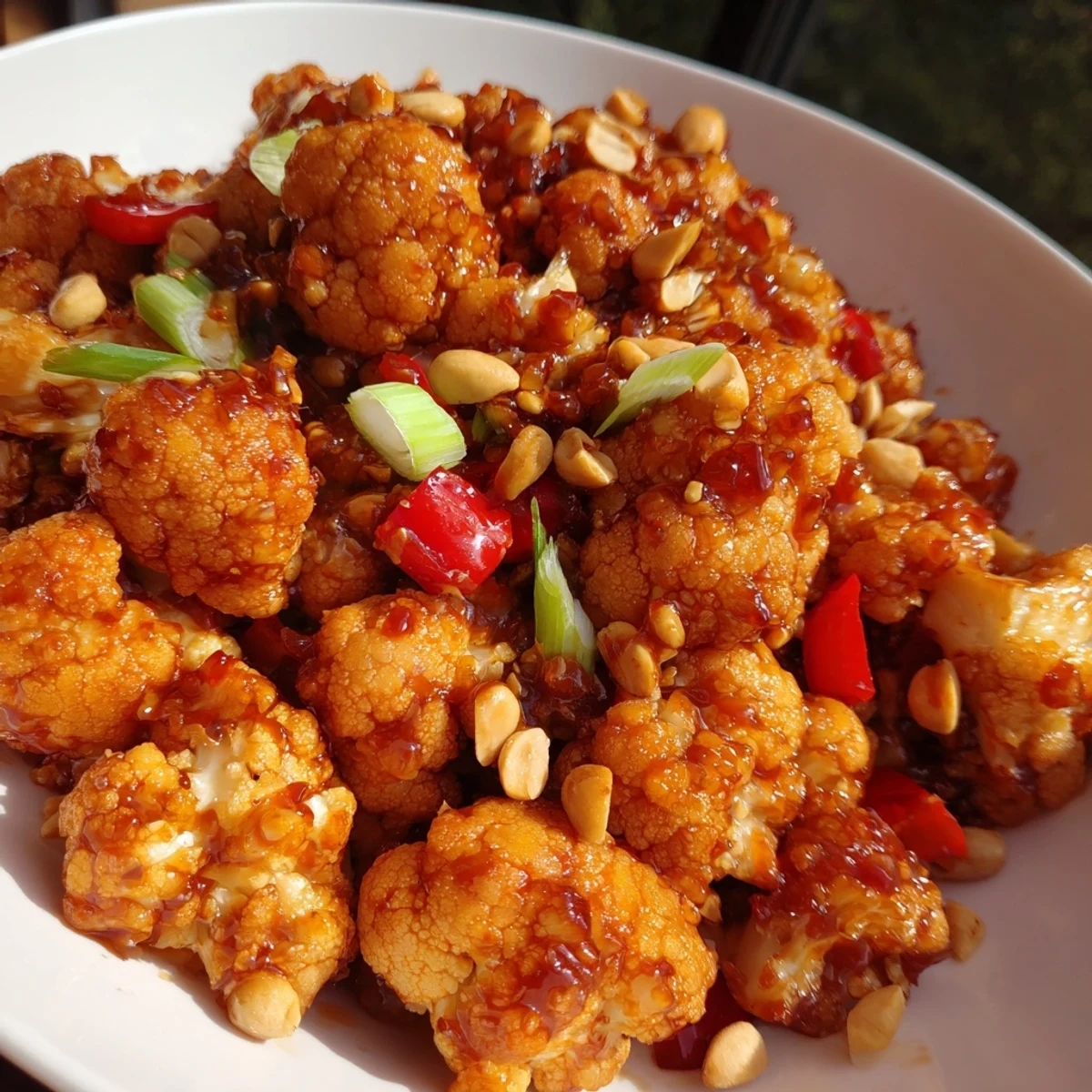
 This vibrant plant-based dish transforms humble cauliflower into crispy, golden florets coated in a bold Kung Pao sauce. The sauce delivers that signature Sichuan balance—spicy heat from dried chilies, tangy notes from rice vinegar, subtle sweetness from maple syrup, and rich umami from soy and hoisin.
After roasting the cauliflower until perfectly crisp-tender, everything comes together in a hot wok with aromatic garlic, fresh ginger, and colorful bell peppers. The roasted peanuts add essential crunch and nuttiness throughout. The entire process takes just 45 minutes, making it perfect for weeknight dinners yet impressive enough for guests.
Serve over steamed rice for a complete meal that satisfies cravings for bold Asian flavors. Adjust the heat level by adding more dried chilies or a pinch of Sichuan peppercorns for authentic numbing spice.
The first time I made Kung Pao anything, my kitchen smelled like a Sichuan restaurant hit a garden party. That sweet-and-spicy sauce hitting hot oil still makes my stomach growl, even before I take my first bite.
Last winter, my sister who swears she hates cauliflower actually went back for thirds. She kept asking what made it so addictive, and I just watched her happily clean her plate without mentioning how healthy it actually was.
Ingredients
- Cauliflower: One large head works perfectly here, and cutting into evenly sized florets means they roast at the same rate
- Cornstarch: This creates that golden, slightly crisp exterior that helps the sauce cling beautifully
- Soy sauce: Tamari keeps things gluten-free without sacrificing that deep umami flavor we all want
- Hoisin sauce: The secret to that restaurant-quality gloss and subtle sweetness
- Sesame oil: Just enough adds that unmistakable aromatic finish
- Dried red chilies: Break them yourself to control the heat, or skip them if you prefer milder
- Peanuts: Unsalted roasted peanuts provide the perfect crunch without overpowering the dish
Instructions
- Roast the cauliflower:
- Toss florets with cornstarch, oil, and salt until dusted like snow, then spread on a parchment-lined sheet and roast at 425°F until golden and tender, about 20 to 25 minutes
- Whisk the sauce:
- Combine soy sauce, rice vinegar, hoisin, maple syrup, sesame oil, cornstarch, and water in a small bowl until completely smooth
- Toast the aromatics:
- Heat oil in a large skillet or wok over medium-high, add dried chilies and let them sizzle for 30 seconds until fragrant, then stir in garlic, ginger, and white onion parts for 1 minute
- Bring it together:
- Toss in the bell pepper for a few minutes until just tender, add roasted cauliflower and peanuts, pour over the sauce and stir until everything glazes and thickens
 Bookmark
 This recipe has become my go-to for dinner parties because it looks impressive but comes together so quickly. Everyone assumes it took hours to master.
Making It Your Own
Sometimes I add broccoli florets or snap peas when they are in season, and cashews work beautifully instead of peanuts.
Getting The Texture Right
If you want even crispier cauliflower, try roasting at 450°F for the last few minutes, but watch closely so the cornstarch coating does not burn.
Serving Suggestions
Steamed jasmine rice soaks up that extra sauce perfectly, or serve over fluffy quinoa for added protein.
- This dish reheats beautifully in a skillet over medium heat
- The sauce continues to thicken in the fridge, so add a splash of water when reheating
- Save extra green onion tops for the freshest garnish right before serving
 Bookmark
 There is something deeply satisfying about turning a simple head of cauliflower into something this vibrant and crave-worthy.
Recipe FAQs
- → How do I get the cauliflower crispy enough?
-
Toss the florets in cornstarch before roating at 425°F for 20-25 minutes. The cornstarch creates a light coating that crisps up beautifully in the oven while keeping the inside tender.
- → Can I make this gluten-free?
-
Absolutely. Substitute regular soy sauce with tamari and ensure your hoisin sauce is labeled gluten-free. All other ingredients naturally contain no gluten.
- → What can I use instead of peanuts?
-
Cashews work beautifully as a substitute and add lovely buttery notes. You could also use almonds or walnuts, though the flavor profile will shift slightly from traditional Kung Pao.
- → How spicy is this dish?
-
With 4 dried red chilies, it delivers moderate heat that builds gradually. For milder flavor, reduce to 2 chilies or remove seeds. For extra kick, add Sichuan peppercorns or increase chilies to 6-8.
- → Can I prepare components ahead?
-
You can cut vegetables and whisk the sauce up to a day in advance. Store the sauce refrigerated in an airtight container. Roast the cauliflower fresh for best texture, though it can be roasted hours ahead and reheated in the wok.
