
 Bookmark
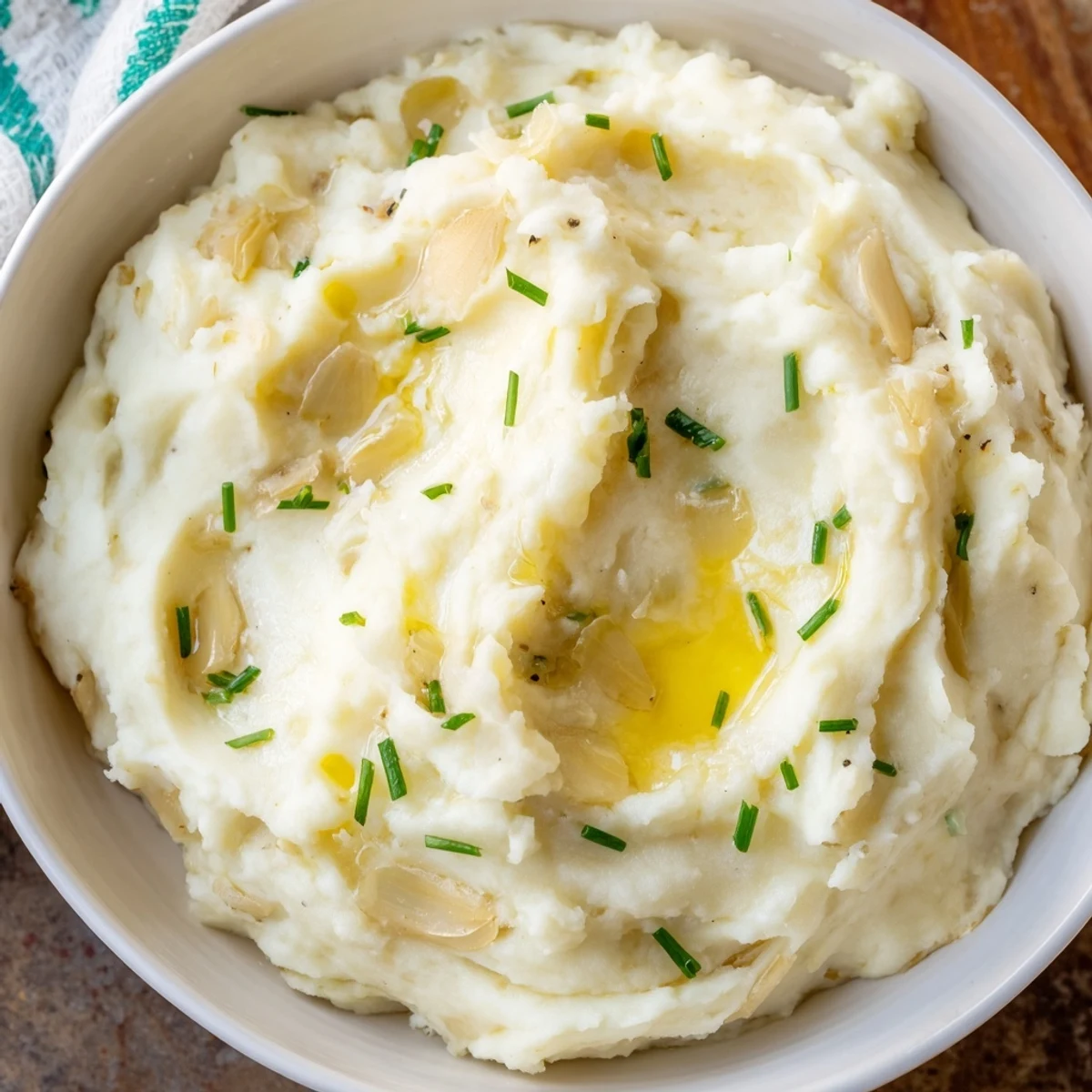
 This dish features smooth, creamy mashed potatoes heightened by the mellow sweetness of slow-roasted garlic. Yukon Gold or Russet potatoes are boiled until tender, then mashed with butter, warmed milk, and cream for a velvety texture. Roasted garlic adds a deep, aromatic flavor that complements the buttery richness. Seasoned with salt and pepper and finished with fresh herbs like chives or parsley, it brings warmth and comfort as an ideal side for multiple cuisines.
There's something magical about the moment roasted garlic cloves slip out of their papery skins—soft, golden, almost spreadable. I discovered these mashed potatoes by accident one winter evening when I had a head of garlic taking up space and potatoes that needed using. The result was so creamy and unexpected that I've made them a dozen times since, each batch better than the last.
I made these for my parents' anniversary dinner last spring, and my dad—who usually skips sides—asked me to pack the leftovers for him. It felt like the highest compliment a bowl of mashed potatoes could receive.
Ingredients
- Yukon Gold or Russet potatoes (1.5 lbs): Yukon Golds give you natural buttery notes and break down into silk; Russets are fluffier if that's your preference.
- Whole head of garlic: Roasting transforms raw garlic's harshness into something sweet and almost caramel-like—this is the secret of the whole dish.
- Olive oil (1 tsp): Just enough to coat the garlic and help it caramelize gently in the oven.
- Unsalted butter (4 tbsp): Cold butter gets folded in while the potatoes are still warm so it melts evenly without making things greasy.
- Whole milk and heavy cream (1/2 cup and 1/4 cup): Warming these beforehand prevents the potatoes from cooling down and seizing up, keeping everything silky smooth.
- Salt and freshly ground black pepper: Season aggressively at the end—mashed potatoes need it more than you think.
- Fresh chives or parsley (optional): A bright garnish that cuts through the richness and adds a final moment of green.
Instructions
- Prepare your garlic for roasting:
- Slice off the top quarter of a whole head so the cloves peek through. Drizzle with olive oil, wrap loosely in foil, and nestle it on a baking sheet. You'll smell it toasting as it roasts—that's your timer.
- Let the garlic work its magic:
- Roast at 400°F for 35 to 40 minutes until the cloves are completely soft and a little golden at the edges. This takes patience, but it's doing all the flavor work for you.
- Cook the potatoes while you wait:
- Cut peeled potatoes into chunks about the size of walnuts so they cook evenly. Cover with cold salted water, bring to a boil, then simmer for 15 to 20 minutes until they break apart at a fork's touch.
- Drain with intention:
- Let the potatoes sit in the colander for a minute so excess water evaporates; this keeps your mash from becoming watery. Return them to the warm pot immediately.
- Squeeze out the roasted garlic and combine:
- Once cool enough to handle, squeeze the soft cloves directly into the pot with the potatoes. Add warm butter, milk, and cream all at once.
- Mash until you reach silky perfection:
- Use a potato masher and work gently but thoroughly until no lumps remain—the warm dairy will help everything come together without overworking the starch. Stop when it's smooth; don't go further or it turns gluey.
- Season and serve:
- Taste as you add salt and pepper because they're the final adjusters of flavor. Finish with chives if you have them, and serve hot.
 Bookmark
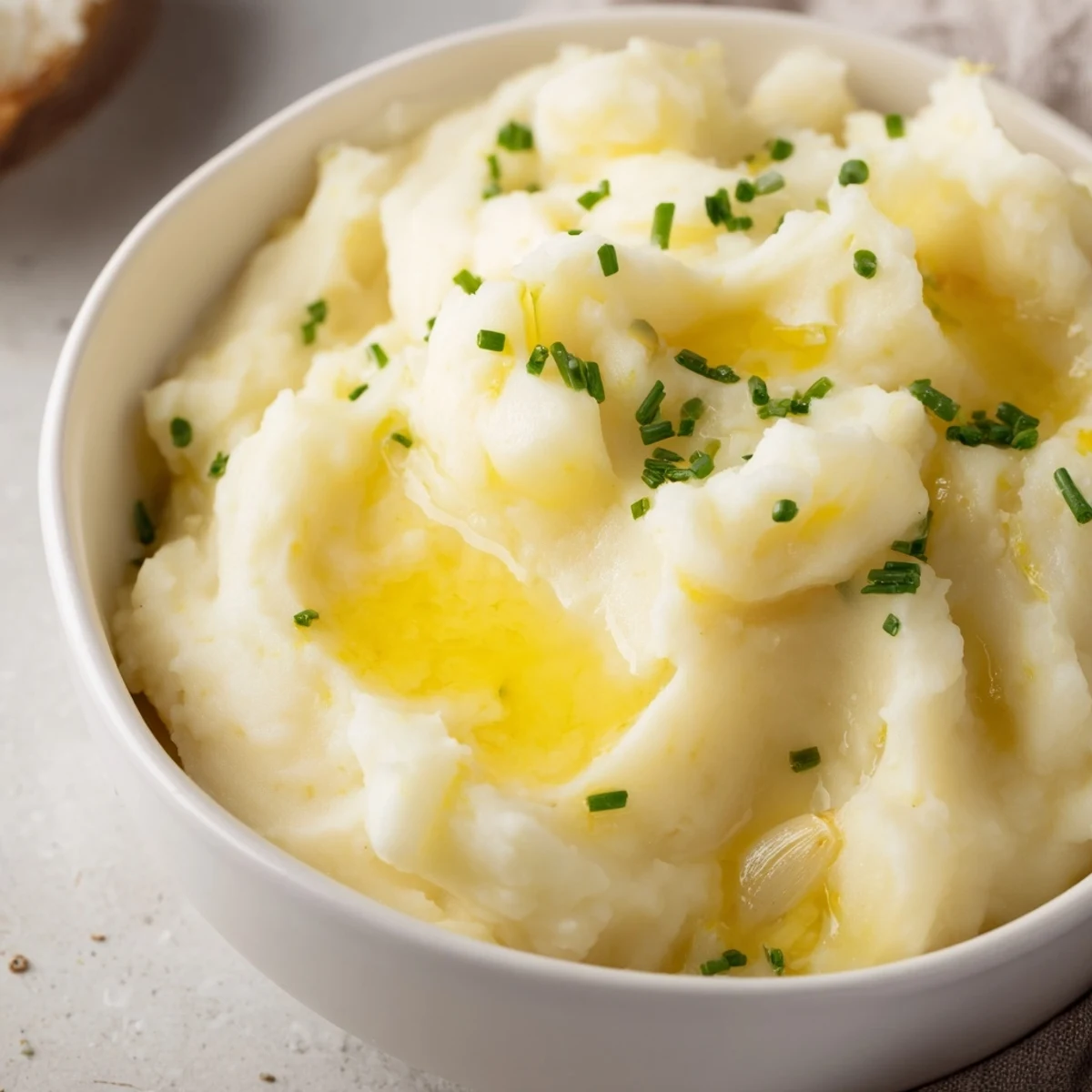
 There's a quietness to mashing potatoes by hand, something about the rhythm and the steam rising up that makes you feel like you're doing something real in the kitchen. These potatoes became my go-to comfort dish the year everything changed—they were always there, always reliable, always tasted like care.
Why Roasted Garlic Changes Everything
Raw garlic in potatoes tastes raw and sharp, but roasting mellows it into something almost creamy and sweet. The heat transforms the sulfurous compounds into natural sugars, so you get all the garlic flavor without any bite. It's one of those cooking tricks that feels like magic once you understand it.
Texture Matters
The difference between lumpy, mealy, and silky mashed potatoes comes down to two things: potato size and dairy temperature. If your potatoes are uneven chunks, some will be mushy and others firm, and then all the mashing in the world won't fix it. Same with cold dairy—it shocks the starch and ruins the creamy promise you had going.
From Kitchen to Table
These mashed potatoes are forgiving enough for a quiet Tuesday night dinner and elegant enough to serve alongside something special. They absorb gravy, pair with roasted vegetables, and somehow taste even better the next day warmed gently over low heat with a splash of milk stirred in.
- Make them up to two hours ahead and keep warm in a covered pot over the lowest heat, stirring occasionally.
- Leftover mashed potatoes can be refrigerated for three days and reheated gently with a splash of milk to restore creaminess.
- If you make extra, try pan-frying cold mashed potatoes into crispy cakes for breakfast the next morning.
 Bookmark
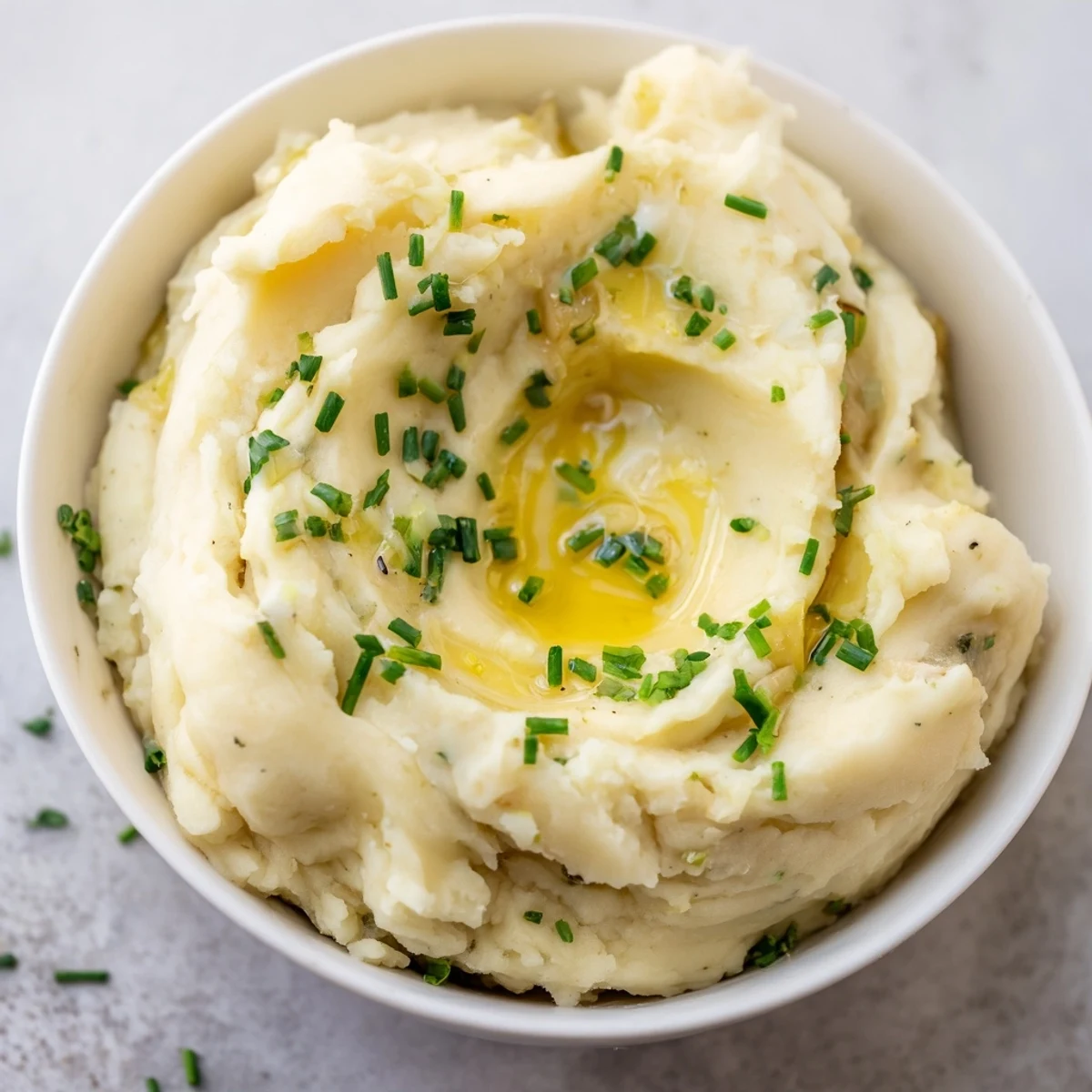
 Roasted garlic mashed potatoes are one of those dishes that quietly become a favorite because they're so good and so simple to make. Once you taste them, you'll understand why they show up at every gathering.
Recipe FAQs
- → What type of potatoes work best for creamy mashed potatoes?
-
Yukon Gold or Russet potatoes are preferred for their texture and flavor, producing smooth and fluffy results when mashed.
- → How does roasting garlic affect the flavor?
-
Roasting mellows garlic’s sharpness, bringing out a sweet, rich, and aromatic flavor that enhances the mashed potatoes' depth.
- → Can the texture be adjusted if the mash is too thick?
-
Yes, additional warmed milk or cream can be added gradually to achieve the desired creamy consistency.
- → Are there alternatives to dairy for a lighter or vegan option?
-
Olive oil and plant-based milk or cream substitutes can be used to replace butter and dairy, making the dish suitable for vegan diets.
- → How should the dish be seasoned for best flavor?
-
Generous salt and freshly ground black pepper are essential, plus optional fresh herbs like chives or parsley for added freshness.
