
 Bookmark
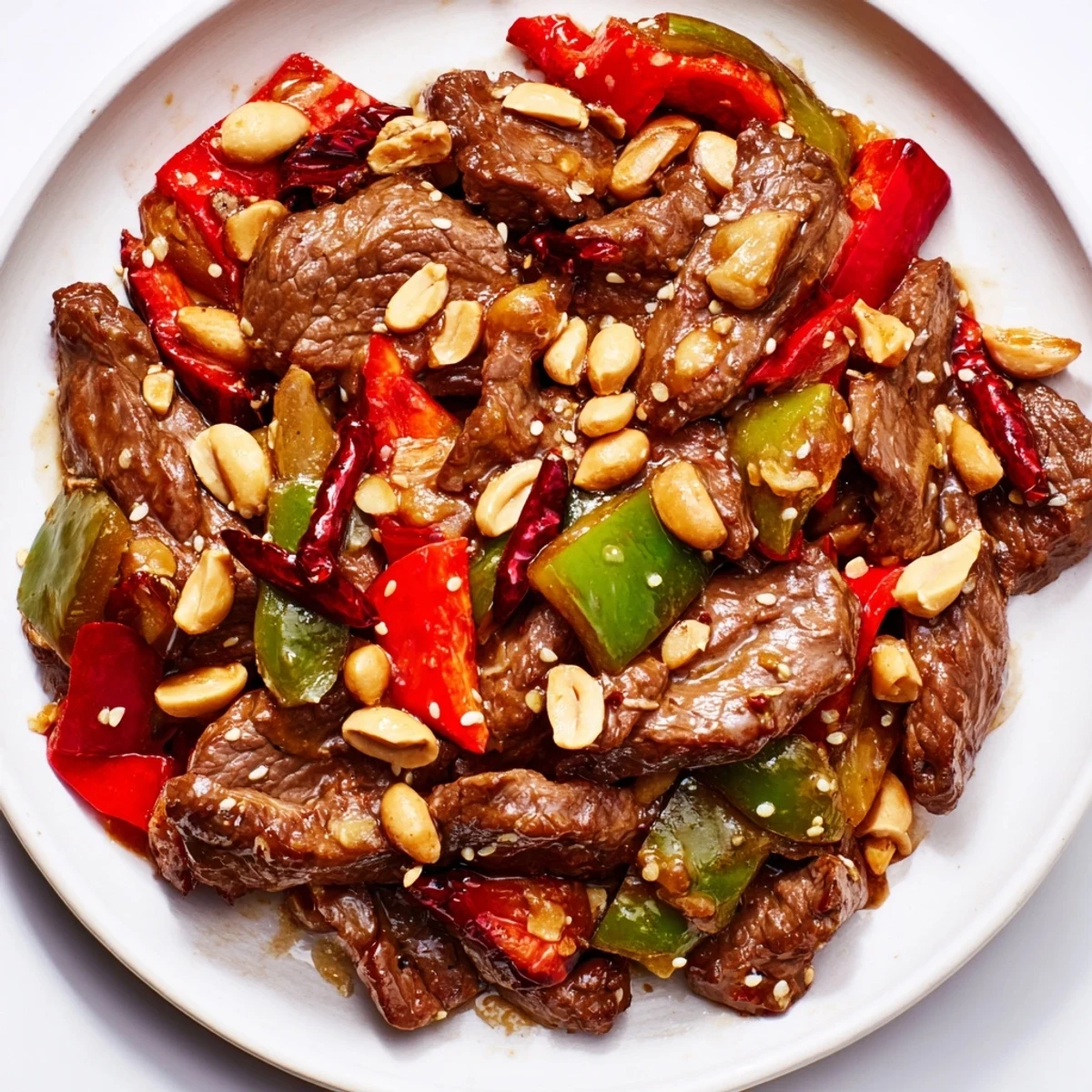
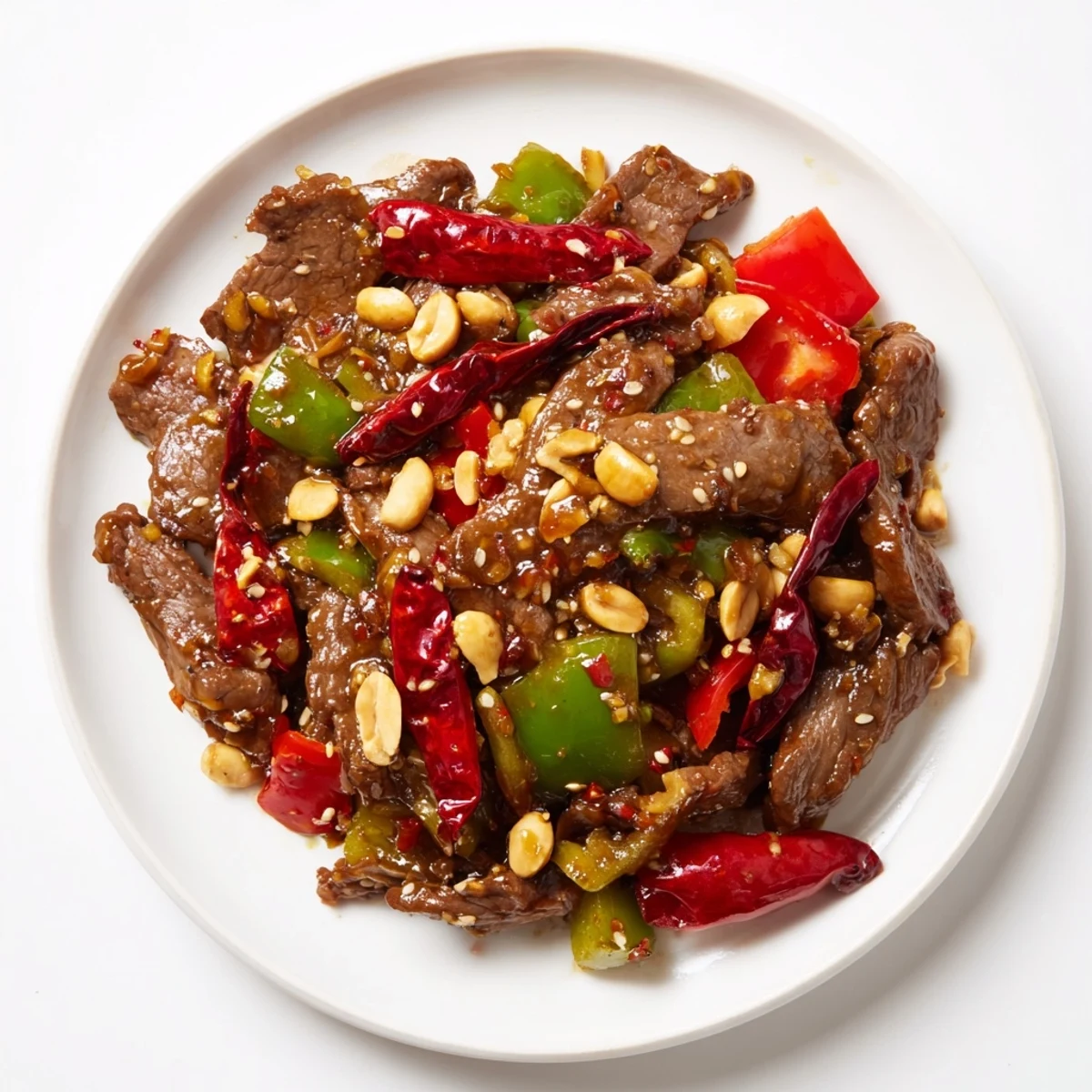
 This bold Chinese stir-fry combines tender flank steak with roasted peanuts, fresh vegetables, and a savory-spicy sauce infused with garlic, ginger, and dried chilies. The dish comes together in just 35 minutes and serves four. Marinate the beef briefly, then sear it until browned before setting aside. Toast the dried chilies until fragrant, then stir-fry aromatics and vegetables until just tender. Return the beef with peanuts and sauce, letting everything coat beautifully as the sauce thickens. Serve immediately with steamed jasmine rice for the complete experience.
The first time I made Kung Pao Beef, my kitchen filled with that unmistakable aroma of toasted dried chilies and Sichuan peppercorns that instantly transported me to the tiny restaurant in Chengdu where I first tasted the dish. I'd scribbled the chef's technique on a napkin after complimenting him repeatedly. Back home, with wok in hand and windows flung open (learned that the hard way), I recreated that perfect balance of heat, sweet and savory that had captivated me.
Last Chinese New Year, I served this to my friend Wei who grew up in Sichuan province, nervously awaiting his verdict. He took one bite, closed his eyes, and said nothing for a moment that seemed to stretch forever. Then he looked at me with a surprised smile and asked if I'd called his mother for the recipe. No greater kitchen victory has ever been mine.
Ingredients
- Flank steak: Slice this against the grain into thin strips, and youll be rewarded with tender beef that soaks up all that spicy sauce.
- Dried red chilies: These fiery little pods are the soul of Kung Pao, creating a subtle smoky undertone that ground pepper could never achieve.
- Chinese black vinegar: Its deep, complex tanginess cuts through the richness of the beef, but balsamic works in a pinch when youre staring at an empty pantry.
- Peanuts: Toast them just before adding for maximum crunch and flavor, transforming them from an afterthought to an essential textural component.
Instructions
- Prepare your mise en place:
- Get everything chopped, mixed and ready before heating your wok. The actual cooking moves at lightning speed, and Ive learned the hard way that searching for ingredients mid-stir-fry leads to burnt garlic and tears.
- Marinate with intention:
- Mix the beef with soy sauce, Shaoxing wine, and cornstarch, then let it rest for 15 minutes. Watch how the meat transforms, becoming silky and receptive to flavors.
- Master the sauce:
- Whisk together light soy sauce, dark soy sauce, black vinegar, hoisin, sugar, sesame oil, cornstarch and water until glossy. This balanced mixture will coat every morsel with that signature Kung Pao flavor.
- Create the aromatic base:
- Stir-fry those dried chilies until they darken slightly and release their fragrance. Your nose will tell you when its time to add the garlic, ginger, and spring onion whites.
- Cook vegetables with care:
- Add bell peppers and zucchini, tossing them quickly in the hot wok. Youre looking for that perfect crisp-tender stage where they still have bright color and some bite.
- Bring it all together:
- Return the beef to the wok with peanuts, then pour in your prepared sauce. Feel the satisfaction as everything gets coated in that glossy sauce that thickens before your eyes.
- Finish with flair:
- Take it off the heat and scatter those fresh spring onion greens on top. That final touch of color and freshness makes all the difference when you bring it to the table.
 Bookmark
 During graduate school, this Kung Pao beef became my signature potluck dish, the one friends would specifically request when we gathered for exam week study sessions. I remember Marcos expression when he took his first bite, eyes widening at the contrast between the tender beef and crunchy peanuts. For those few minutes while we ate, the stress of finals melted away in a haze of chili-scented steam and appreciative murmurs.
Balancing Spice Levels
The beauty of making Kung Pao beef at home lies in controlling the heat to suit your preference. I started timidly, removing all seeds from the dried chilies, but gradually built my tolerance. Now I leave a few seeds in, creating pockets of pleasant heat that punctuate each bite without overwhelming the other flavors. The dried chilies themselves mellow considerably during cooking, lending a complex smoky character rather than just pure heat.
Vegetable Variations
While bell peppers and zucchini create a colorful traditional base, Ive discovered this recipe welcomes seasonal adaptation. Summer brings opportunities for sweet corn kernels and tender asparagus tips, while winter calls for heartier additions like quartered brussels sprouts or cubed butternut squash. The sauce works its magic on almost any vegetable, though I find root vegetables need a quick blanch before hitting the wok.
Serving Suggestions
Though jasmine rice is the classic pairing, Ive found Kung Pao beef equally magnificent spooned over chewy udon noodles or tucked into warm flour tortillas as Asian-inspired tacos. The sauce, with its perfect viscosity, clings to whatever base you choose, ensuring flavor in every bite.
- For a complete meal, serve alongside simple stir-fried bok choy with garlic to balance the richness.
- A small bowl of quick-pickled cucumbers offers welcome acidity and freshness against the savory beef.
- If serving guests, provide small dishes of extra crushed peanuts, sliced chilies, and chopped herbs for customization.
 Bookmark
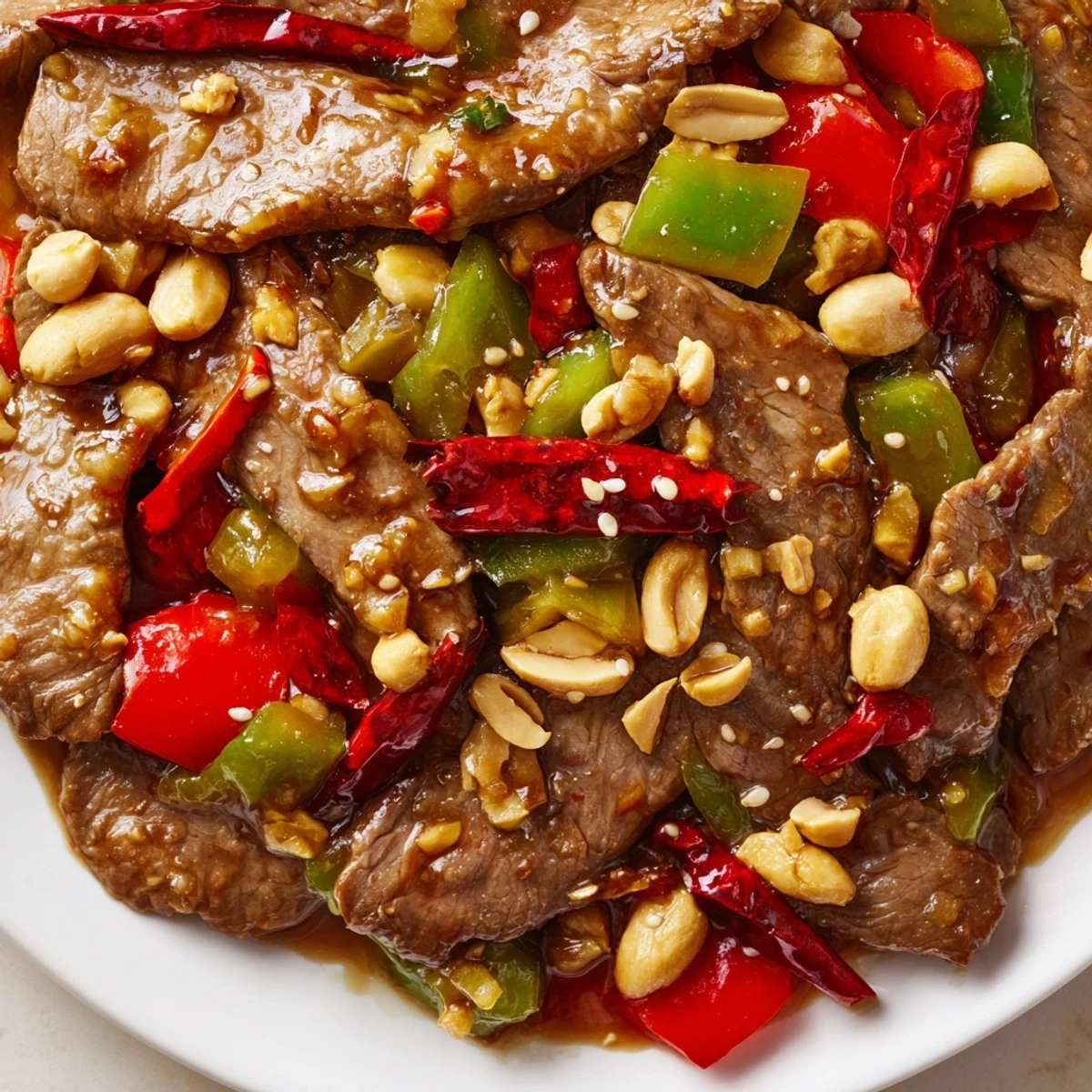
 This Kung Pao beef has traveled with me through different kitchens and life stages, evolving slightly each time but always bringing comfort and excitement to my table. I hope it finds a regular place in your cooking repertoire too, becoming not just a meal but a moment to look forward to.
Recipe FAQs
- → Can I use a regular skillet instead of a wok?
-
Yes, a large skillet works well for this stir-fry. The key is using high heat and working in batches if needed to avoid overcrowding, which helps achieve proper browning and prevents steaming.
- → How do I prevent the beef from becoming tough?
-
Slice the beef thinly against the grain and marinate it for at least 15 minutes. Sear it quickly over high heat until just browned, then set aside. Return it to the wok briefly at the end to avoid overcooking.
- → What can I substitute for Chinese black vinegar?
-
Balsamic vinegar is already listed as an alternative. You can also use rice vinegar with a touch of molasses, or regular black vinegar if available at Asian markets for authentic flavor.
- → Is this dish gluten-free?
-
Most ingredients are naturally gluten-free, but soy sauce and hoisin sauce often contain gluten. Use tamari (gluten-free soy sauce) and certified gluten-free hoisin sauce to make this dish suitable for gluten-free diets.
- → How can I adjust the heat level?
-
Leave some seeds in the dried chilies for extra heat, or add chili oil after cooking. To reduce spice, remove all chili seeds or decrease the number of chilies used. The dish remains flavorful either way.
- → What are good side dishes to serve with this?
-
Steamed jasmine rice is traditional and absorbs the flavorful sauce beautifully. Stir-fried noodles, brown rice, or cauliflower rice also work well as lighter alternatives.
