
 Bookmark
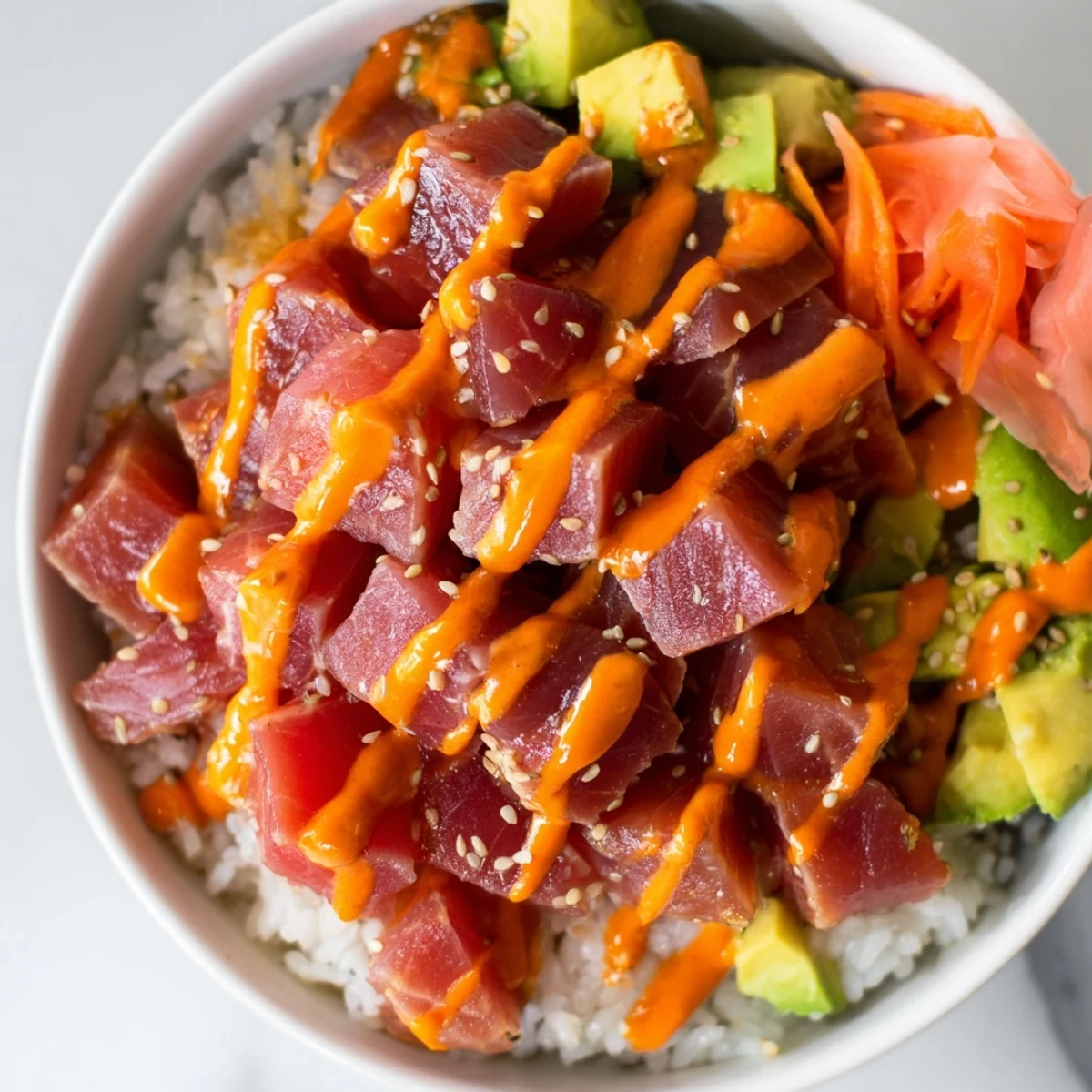
 Experience a vivid blend of flavors with tender sushi-grade tuna marinated in soy and sesame, paired with fresh avocado, cucumber, and edamame. This bowl is elevated by a creamy, spicy sriracha mayo drizzle and garnished with nori strips and toasted sesame seeds. Ready in just 25 minutes, it offers a fresh, easy, and colorful meal perfect for pescatarians and those seeking gluten-free options. Serve immediately to enjoy the harmonious textures and bold flavors.
The first time I built a poke bowl at home, I was chasing that electric feeling from a tiny honolulu poke spot where the owner moved with such ease, layering tuna and rice like he'd done it ten thousand times. I stood in my kitchen trying to recreate it, suddenly aware that I'd never really paid attention to how the marinade actually clings to the fish, or why the mayo matters more than the heat. That afternoon taught me something simple: poke isn't complicated, it just rewards paying attention.
I made this for my sister on a Wednesday when she was stressed about work, and watching her face when she tasted it was worth every careful slice. She asked for the recipe before she finished the first bowl, which I took as the highest compliment. That's when I realized poke bowls don't just feed you—they give you a moment to pause and taste something genuinely good.
Ingredients
- Sushi-grade tuna, 400 g: The quality here is everything; don't substitute unless you find yourself at a truly exceptional fishmonger who can vouch for freshness. Ask for sushi grade explicitly and smell it—fresh tuna should smell like clean ocean, nothing sharp or fishy.
- Soy sauce, 2 tbsp: This is the foundation of your marinade, so use good soy sauce if you have it; the difference between cheap and quality is taste you'll actually notice.
- Sesame oil, 1 tbsp: Toasted sesame oil brings this whole thing into focus with one drizzle, but use it sparingly because it's potent and can overwhelm.
- Rice vinegar, 1 tsp: A small amount cuts through richness with brightness, and if you can find Japanese rice vinegar, it's gentler than other vinegars.
- Honey or agave, 1 tsp: This softens the salt and adds a whisper of sweetness that makes the marinade feel balanced rather than harsh.
- Sriracha, 1 tsp: Start here; you can always add more heat when you taste, but you can't take it back.
- Green onion, 1 tbsp finely chopped: Freshness in concentrated form, added to the marinade to perfume the tuna from the inside out.
- Toasted sesame seeds, 1 tsp: These go into the marinade for nutty undertones that bloom as the tuna sits.
- Japanese Kewpie mayonnaise, 4 tbsp: If you can find it, use it; it's richer and less acidic than regular mayo, and the sriracha drape sits better on top of rice.
- Lime juice, 1 tsp: This brightens the mayo and keeps it from feeling too heavy.
- Sushi rice, 600 g cooked: Let it cool to room temperature so it doesn't wilt your vegetables and so your mouth can taste each grain rather than just heat.
- Avocado, 1 medium: Slice it just before assembly to keep it from browning; if you're making this ahead, hold the avocado and add it when someone's ready to eat.
- Cucumber, 1 small: Slice it thin and it becomes textural counterpoint rather than filler.
- Carrot, 1 medium: Julienne it thin so it adds crunch and color without overwhelming any single bowl.
- Edamame, 100 g cooked: These little pops of brininess and soft texture make the bowl feel more substantial.
- Nori, 2 sheets: Cut into thin strips just before serving so they stay crisp; soggy nori is a real loss.
- Pickled ginger, 2 tbsp: A small amount goes between bites like a palate cleanser, sharpening your next taste.
- Sesame seeds for garnish, 1 tbsp: Toasted if you can manage it; they add visual warmth and finish the whole thing.
- Green onions for garnish, 2: Slice them just before serving and scatter on top for a fresh green bite.
Instructions
- Make the marinade:
- In a medium bowl, whisk together soy sauce, sesame oil, rice vinegar, honey, sriracha, and sesame seeds. The mixture should smell immediately alive and balanced, not one note dominating. If it smells too salty or too spicy, you can soften it with a touch more honey.
- Marinate the tuna:
- Add your diced tuna and fold it gently with a rubber spatula so the cubes stay intact and uniform; rough stirring will break them into smaller pieces that cook faster and lose their tender center. Let it sit in the fridge for 10–15 minutes while you prep everything else.
- Whisk the sriracha mayo:
- In a small bowl, whisk mayonnaise, 1 tbsp sriracha, and lime juice until it's completely smooth and creamy. Taste it and add more sriracha if you want heat; this is where you own your spice level.
- Build your bowls:
- Divide the cooled sushi rice among four bowls, pressing it gently so it stays in place. The rice is your canvas, so take a moment to smooth it and leave room for everything else.
- Arrange the toppings:
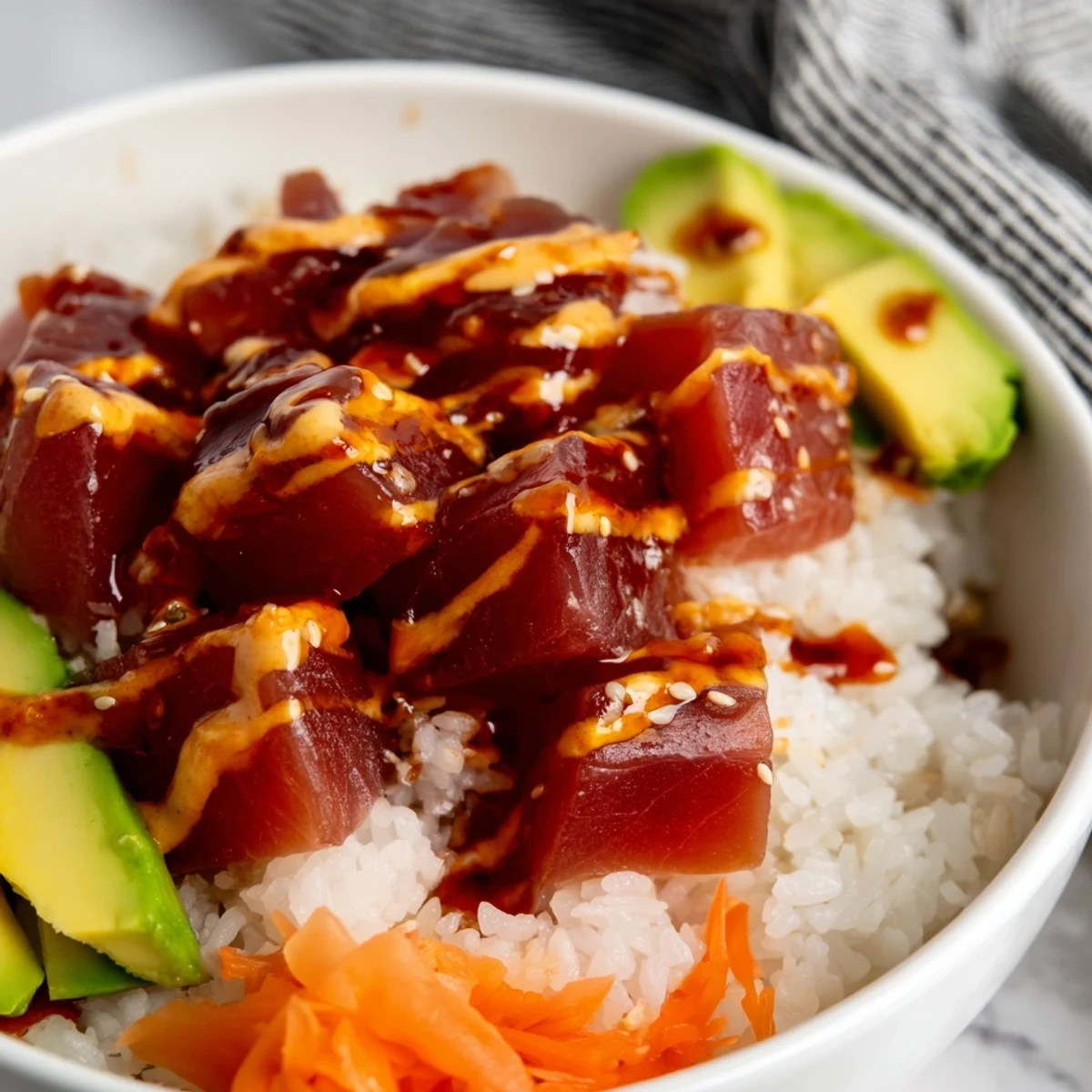
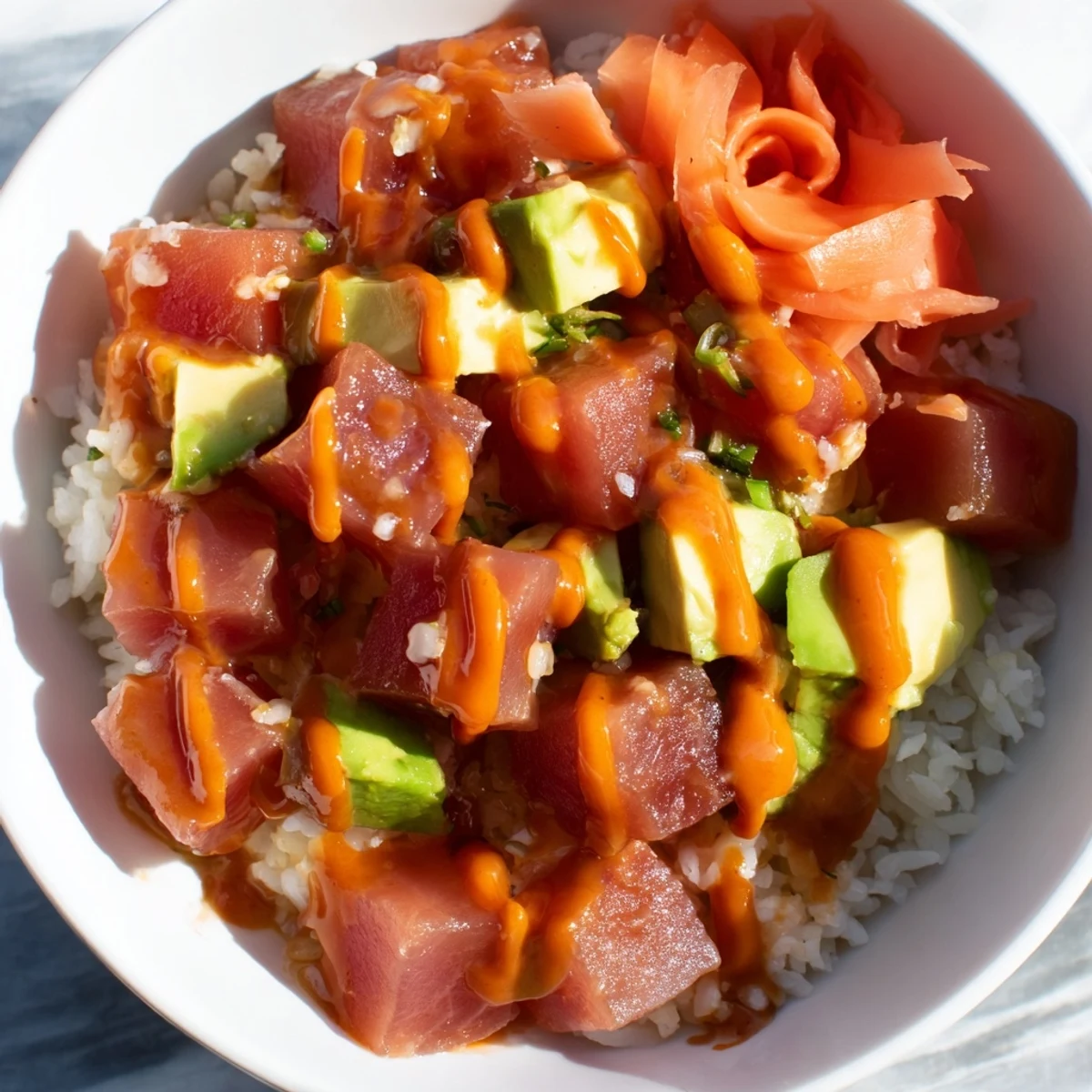
- Lift the marinated tuna from its liquid using a slotted spoon so you don't over-wet the rice. Arrange it in a pile on one side, then build the other vegetables around it like you're painting—avocado slices, cucumber ribbons, carrot, edamame, and pickled ginger each in their own small cluster so each bite can have something different.
- Dress it:
- Drizzle each bowl with sriracha mayo in thin lines so it catches the rice and vegetables evenly. The mayo won't mix into the rice; it sits on top, giving each bite a creamy element.
- Finish and serve:
- Scatter nori strips, sesame seeds, and sliced green onions on top in the last moment before eating. Serve immediately while the nori is crisp and everything is still cool and separate.
 Bookmark
 My neighbor tasted this and asked why her grocery store poke always felt one-dimensional, and I realized it's because she was eating something someone else built and didn't love. This bowl invites your hand into the work, lets you taste as you go, and reminds you that the best meals are the ones you build yourself, even if you're just assembling good things.
About That Marinade
The magic of poke lives entirely in the marinade—it's where salt, acid, sweetness, and heat have to live together in balance. Some people use more soy sauce and skip the honey entirely, and their version is sharper and more savory, which is valid. I learned by tasting and adjusting, adding a pinch more honey when it tasted harsh, more sriracha when I wanted heat to sing. The marinade is also the thing you can make ahead; it keeps in the fridge for three days, and having marinated tuna ready means your bowl comes together in five minutes when you're hungry.
Why the Mayo Matters
The sriracha mayo is the secret tool in this bowl because it does several things at once. It softens the heat of the sriracha by emulsifying it into something creamy, so the spice isn't a shock but a warmth that blooms across your palate. It also prevents the rice from drying out while you eat, and it catches every vegetable on its way down, unifying flavors that might otherwise feel separate. The difference between a good poke bowl and a great one often comes down to mayo, which sounds absurd until you taste it.
Variations and Your Personal Touch
This recipe is a platform, not a prison, which means you should feel free to move things around based on what your market has today. Some weeks I swap the cucumber for radish because the peppery bite feels right, or I add mango because it's suddenly in season and I can't resist. I've also used grilled shrimp instead of tuna when I wanted something lighter, and the marinade adapted beautifully. The nori strips can be toasted seaweed snacks crushed into pieces if you prefer texture over elegance, and you can absolutely add microgreens if you want to feel fancy.
- Try adding thin slices of jalapeño if you want heat that builds rather than hits immediately.
- Swap regular mayo for coconut mayo if someone at your table is vegan and wants the creamy element anyway.
- Use the leftover marinade as a dressing for a simple green salad the next day; it won't go to waste.
 Bookmark
 This bowl feeds your body and gives you a moment of brightness in the middle of your day, which is everything I ask of food now. It's Hawaiian-inspired but not precious about it—just good ingredients treated with care and respect.
Recipe FAQs
- → How long should the tuna marinate?
-
Marinate the diced tuna for 10-15 minutes in a soy and sesame based mixture to let flavors infuse without overcuring the fish.
- → Can I adjust the spiciness of the mayo?
-
Yes, the sriracha amount in the mayo can be increased or reduced according to your preferred heat level.
- → What are suitable substitutions for tuna?
-
You can replace tuna with cooked shrimp or tofu for different protein options while maintaining the dish’s balance.
- → How should the bowl be served?
-
Serve the bowl immediately after assembly to preserve the texture of the marinated fish and freshness of the vegetables.
- → Is this dish gluten-free?
-
Using tamari instead of soy sauce ensures a gluten-free variant. Always verify ingredient labels to maintain gluten-free status.
