
 Bookmark
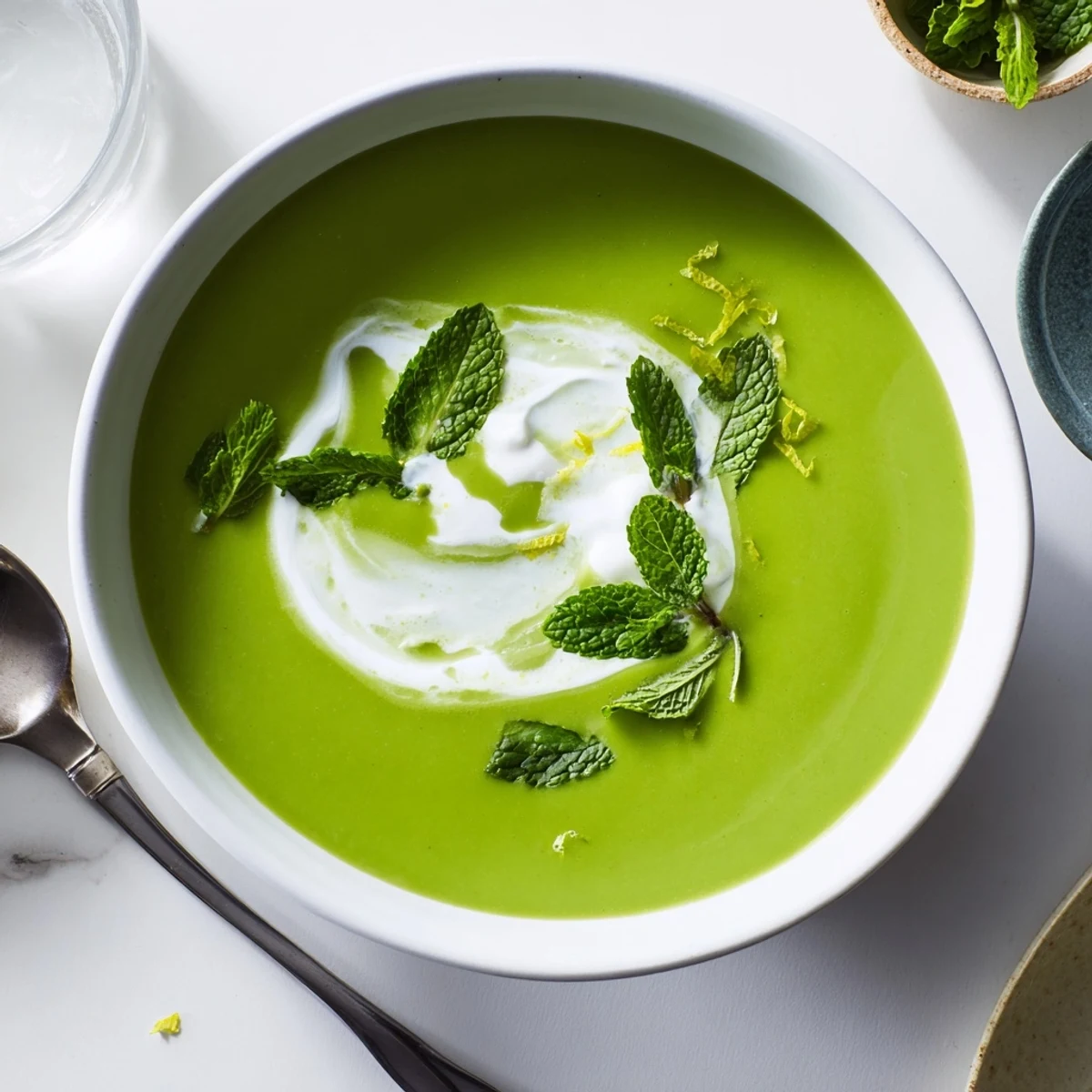
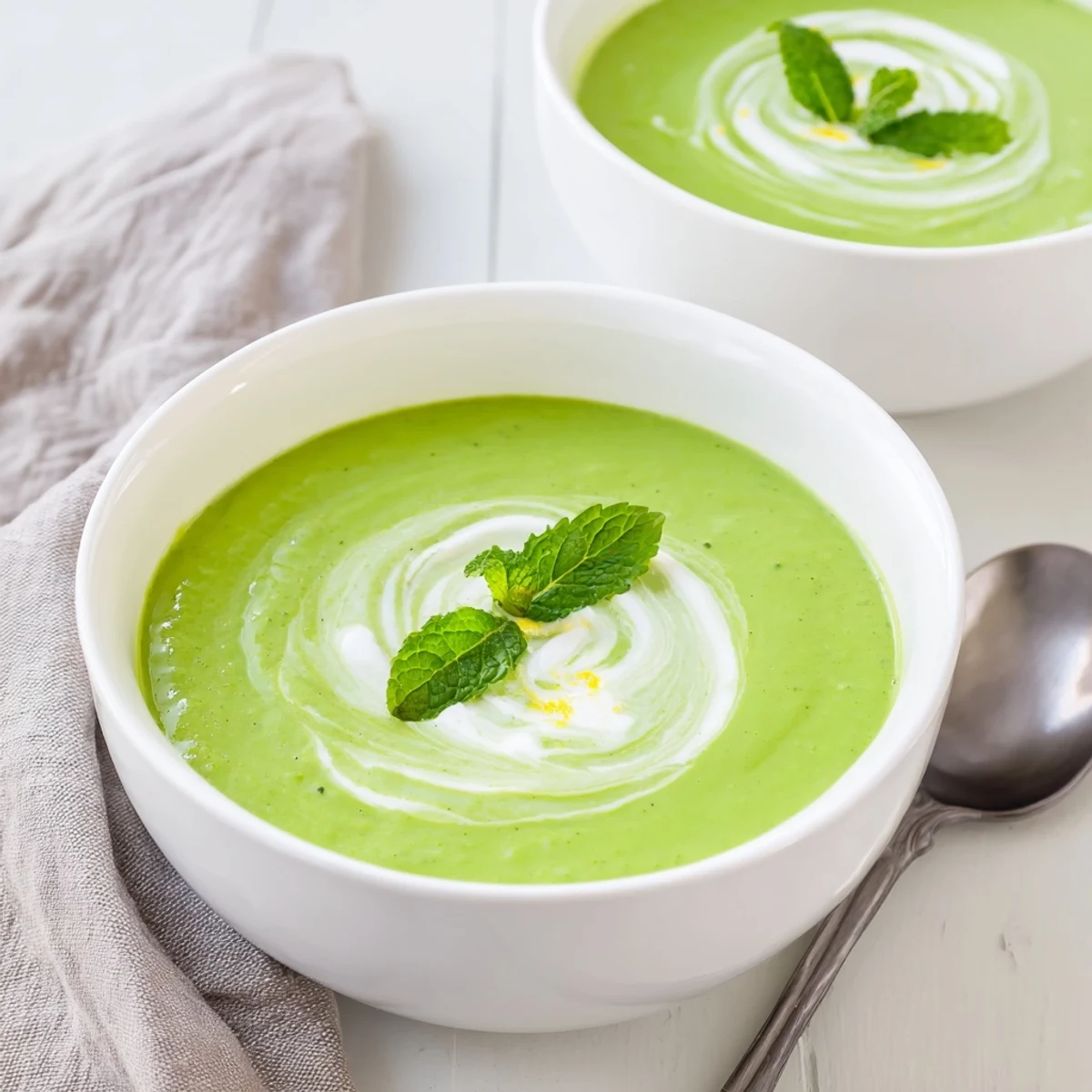
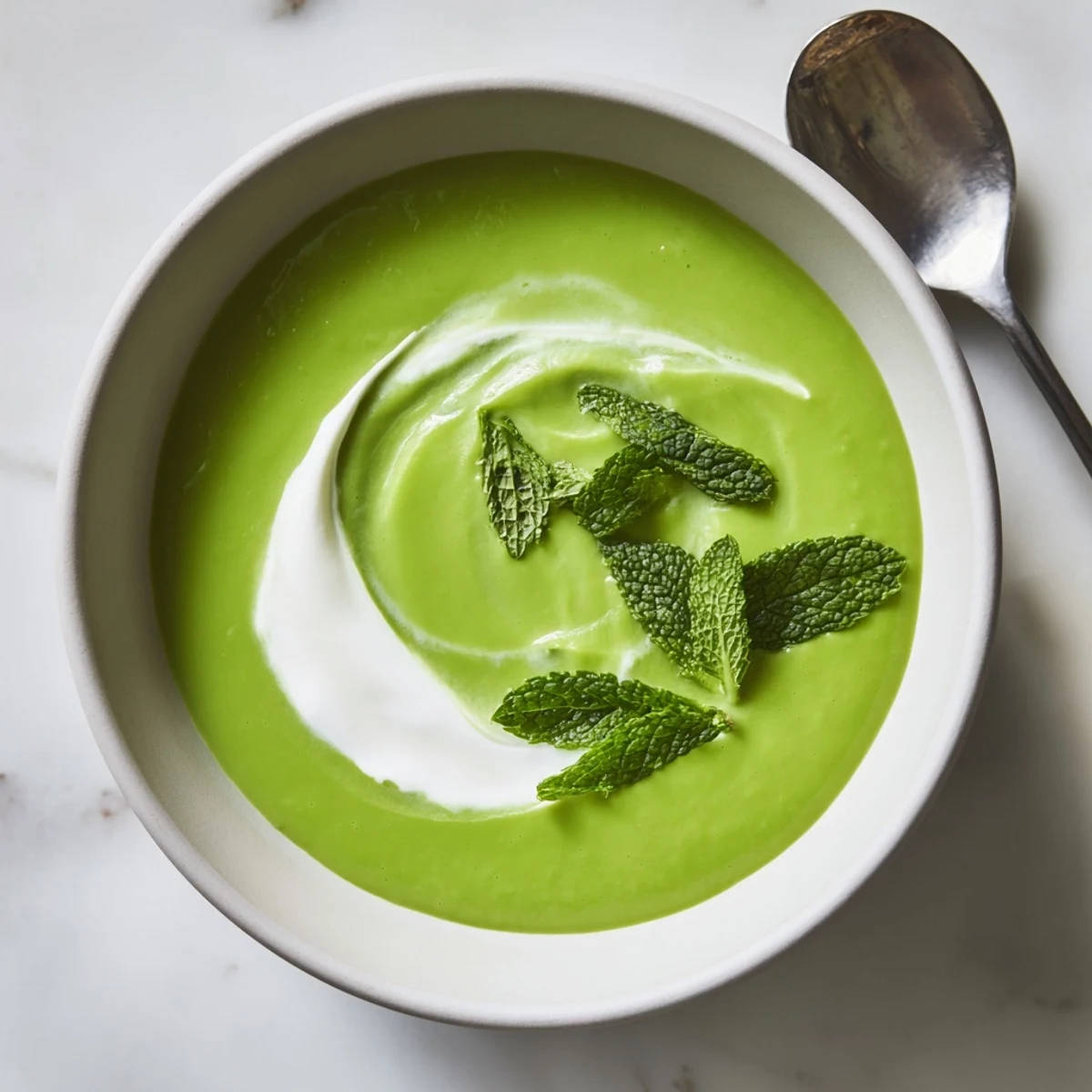
 This bright spring dish features tender peas and fresh mint, gently simmered then blended until silky smooth. A creamy swirl adds richness, while lemon zest and juice introduce a refreshing tang. Easy to prepare, it delivers vibrant flavors and a luscious texture, perfect served hot or chilled for any season. Garnish with extra mint and crème fraîche for an elegant touch that complements the soup’s delicate freshness.
The first spoonful caught me off guard, that shocking green against the white bowl, like something grown in a greenhouse rather than pulled from my freezer. I had thrown it together on a Wednesday when the rain would not stop and I needed color more than nourishment. My neighbor knocked just as I was blending, curious about the noise, and left with a mug that she later admitted she drank cold for breakfast the next morning.
I made this for my sister the week she moved into her apartment with no furniture, just boxes and a borrowed mattress. We sat on the floor with bowls in our laps and she kept saying she could not believe something this smooth came from frozen peas, as if I had performed a minor miracle rather than followed a very forgiving formula.
Ingredients
- Unsalted butter: Two tablespoons is just enough to build a base without competing with the peas, and using unsalted lets you control the final seasoning since broth varies so wildly.
- Yellow onion: Chop it roughly because it disappears into the soup anyway, and I have learned that rushing this step leads to uneven sweetness.
- Garlic: Two cloves minced fine, added after the onion has fully softened so it never browns and turns bitter.
- Green peas: Four cups fresh or frozen, and honestly frozen often wins for consistency since fresh peas turn starchy so fast.
- Vegetable broth: Low-sodium is non-negotiable here, as regular broth will overwhelm the delicate pea flavor.
- Fresh mint: Half a cup packed, and I tear rather than chop to keep the oils on my fingers rather than the cutting board.
- Salt and pepper: Start conservative, taste after blending, remember the crème fraîche will add its own salinity.
- Crème fraîche: Stirred in at the end for that subtle tang and body, plus extra for swirling on top.
- Lemon zest and juice: The zest goes in before blending, the juice after, brightening without thinning.
Instructions
- Soften the aromatics:
- Melt butter in your largest saucepan over medium heat until it foams and smells nutty. Add the onion and cook slowly, stirring occasionally, until it turns soft and glassy without taking on any color.
- Wake up the garlic:
- Scatter the minced garlic across the onions and stir constantly for about sixty seconds. You want the raw edge gone but no browning, which happens faster than you expect.
- Simmer the peas:
- Pour in the peas and broth, raise the heat until you see gentle bubbles breaking the surface, then drop to a simmer. Fresh peas need five or six minutes, frozen closer to ten, either way you are looking for tender and vividly green.
- Season and brighten:
- Pull the pot off the heat and add the mint, salt, pepper, and lemon zest. The residual heat will wilt the mint just enough to release its oils without bruising them into bitterness.
- Blend to silk:
- Purée with an immersion blender right in the pot, or work in batches with a countertop blender, filling only halfway each time and holding the lid with a towel. You are aiming for absolutely smooth, no flecks of mint leaf remaining.
- Enrich and adjust:
- Stir in the crème fraîche and lemon juice, then taste carefully. The soup should be creamy but still taste primarily of peas, with mint as a whisper rather than a shout.
- Serve with flourish:
- Ladle into warmed bowls, add a precise dollop of crème fraîche, and scatter a few small mint leaves. The contrast of temperatures between hot soup and cool cream matters more than you might think.
 Bookmark
 Last spring I brought this to a potluck where three other people had also made soup, and mine disappeared first while the heavier ones lingered. A woman I did not know asked for the recipe while standing over the empty pot, and I watched her type it into her phone with the intensity of someone who had just discovered a new color.
Making It Your Own
I have swapped the mint for tarragon when my garden was being difficult, and once added a handful of sorrel that made the whole thing almost electric with tartness. The soup forgives experimentation as long as you respect the ratio of peas to liquid and do not let anything brown.
The Case for Cold
Chilled, this becomes something else entirely, a verdant velouté that feels almost healthy despite the cream. I serve it in small glasses as an amuse-bouche at summer dinners, thinned slightly with extra broth and topped with a single pea and mint leaf.
What to Serve Alongside
A crisp baguette is obvious and correct, but I also love this with olive oil crackers that shatter against the smoothness. For a full meal, a salad of bitter greens with mustard vinaigrette creates necessary contrast.
- A chilled Sauvignon Blanc echoes the herbaceous notes without competing.
- For brunch, small portions in espresso cups feel elegant and unexpected.
- Leftovers keep beautifully for three days, though the color fades slightly.
 Bookmark
 However you serve it, this soup rewards the minimal effort with maximum effect, the kind of dish that makes you look like you planned ahead when you absolutely did not. Make it once and you will find reasons to make it again, even when fresh peas are months away.
Recipe FAQs
- → What is the best way to prepare fresh peas for this dish?
-
Fresh peas should be shelled and rinsed before cooking. Simmer them gently to preserve their vibrant color and sweet flavor.
- → Can I substitute mint with another herb?
-
Yes, basil or tarragon provide fresh, aromatic alternatives that complement peas beautifully.
- → How do I achieve a smooth texture for the soup?
-
Purée the cooked ingredients thoroughly using an immersion or countertop blender until silkiness is reached.
- → Is it possible to make a dairy-free version?
-
Absolutely, plant-based butters and alternatives like coconut cream can replace dairy components while maintaining richness.
- → What pairs well with this dish?
-
A crisp white wine such as Sauvignon Blanc complements the fresh and creamy flavors wonderfully.
- → Can this dish be served chilled?
-
Yes, chilling enhances the fresh flavors and makes it a refreshing option in warm weather.
