
 Bookmark
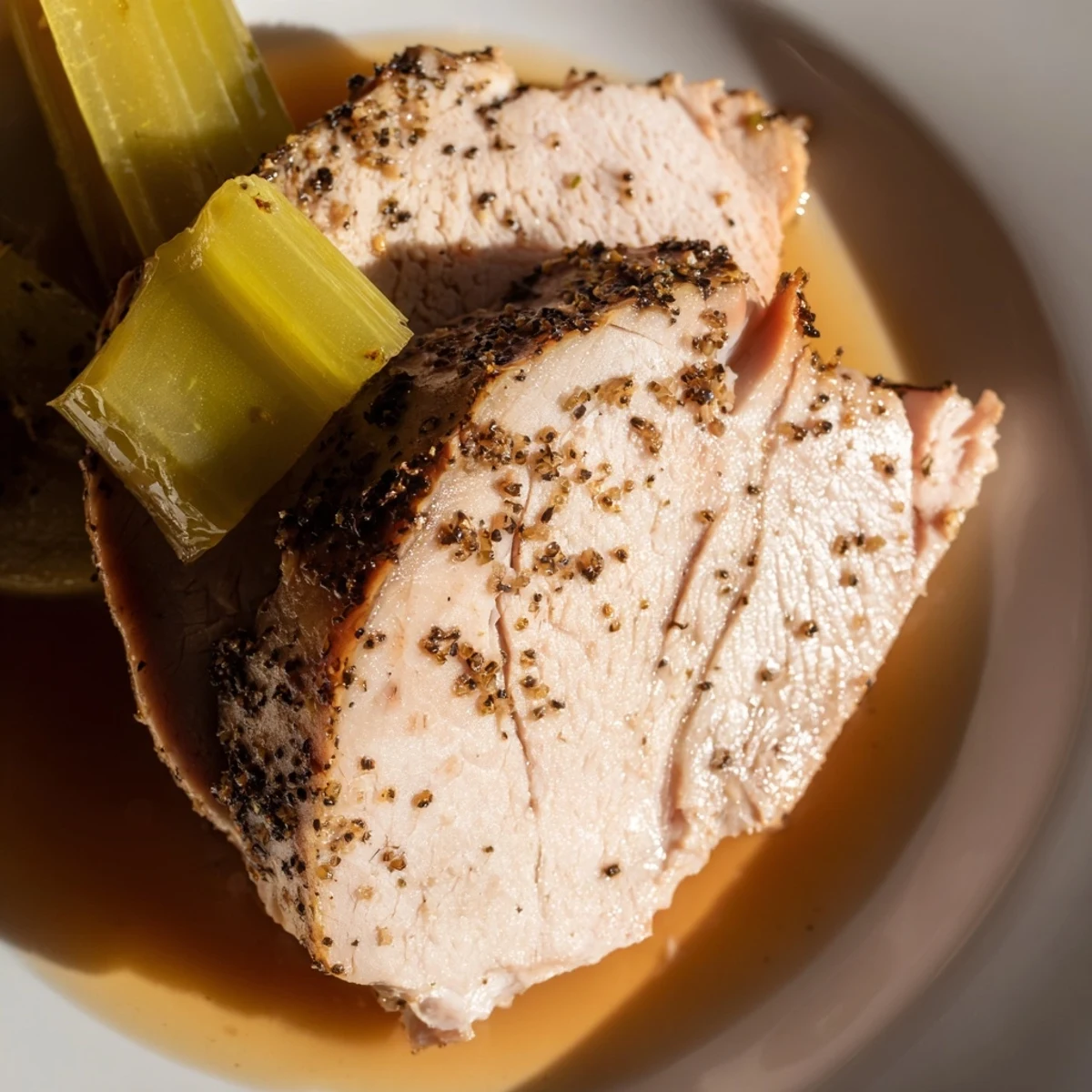
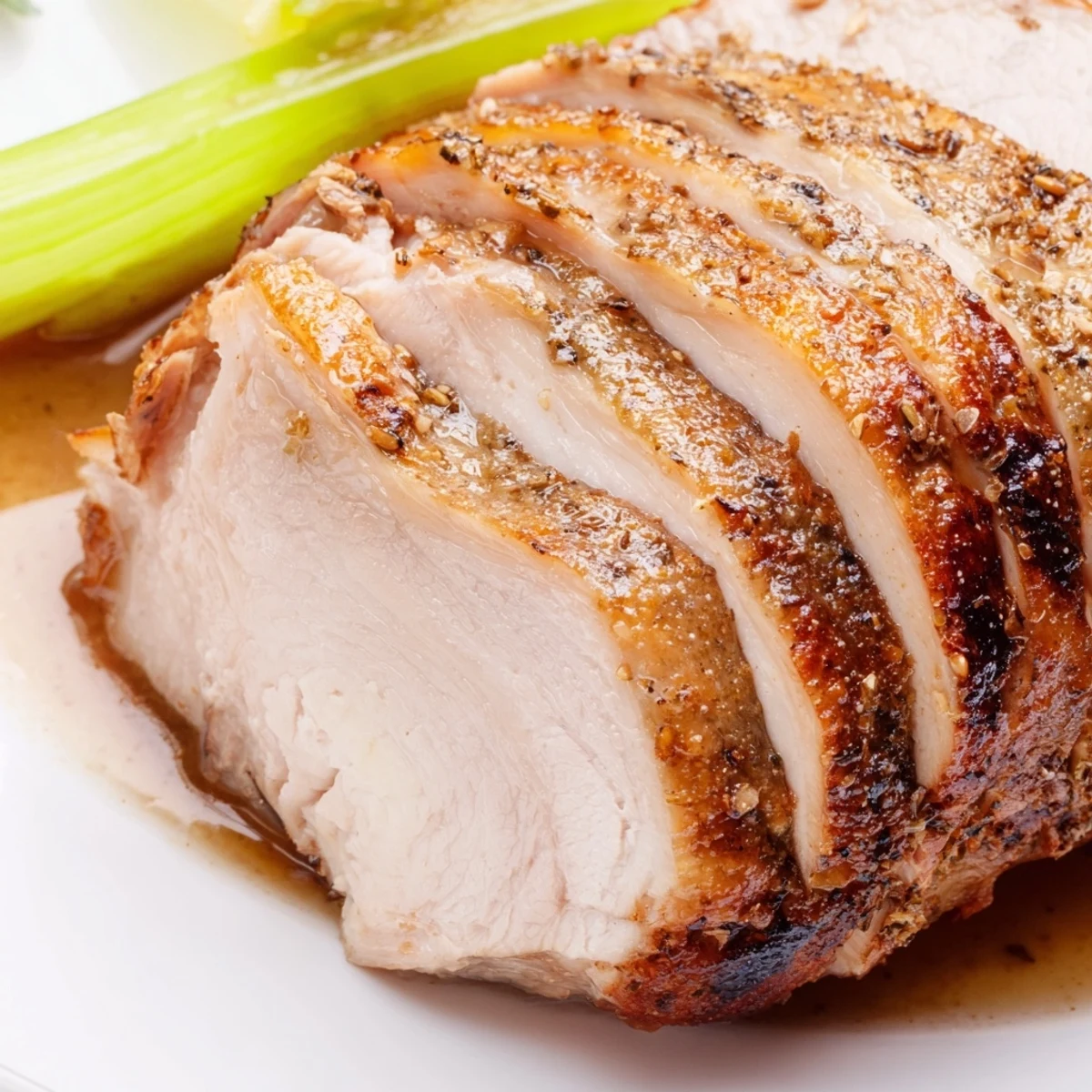
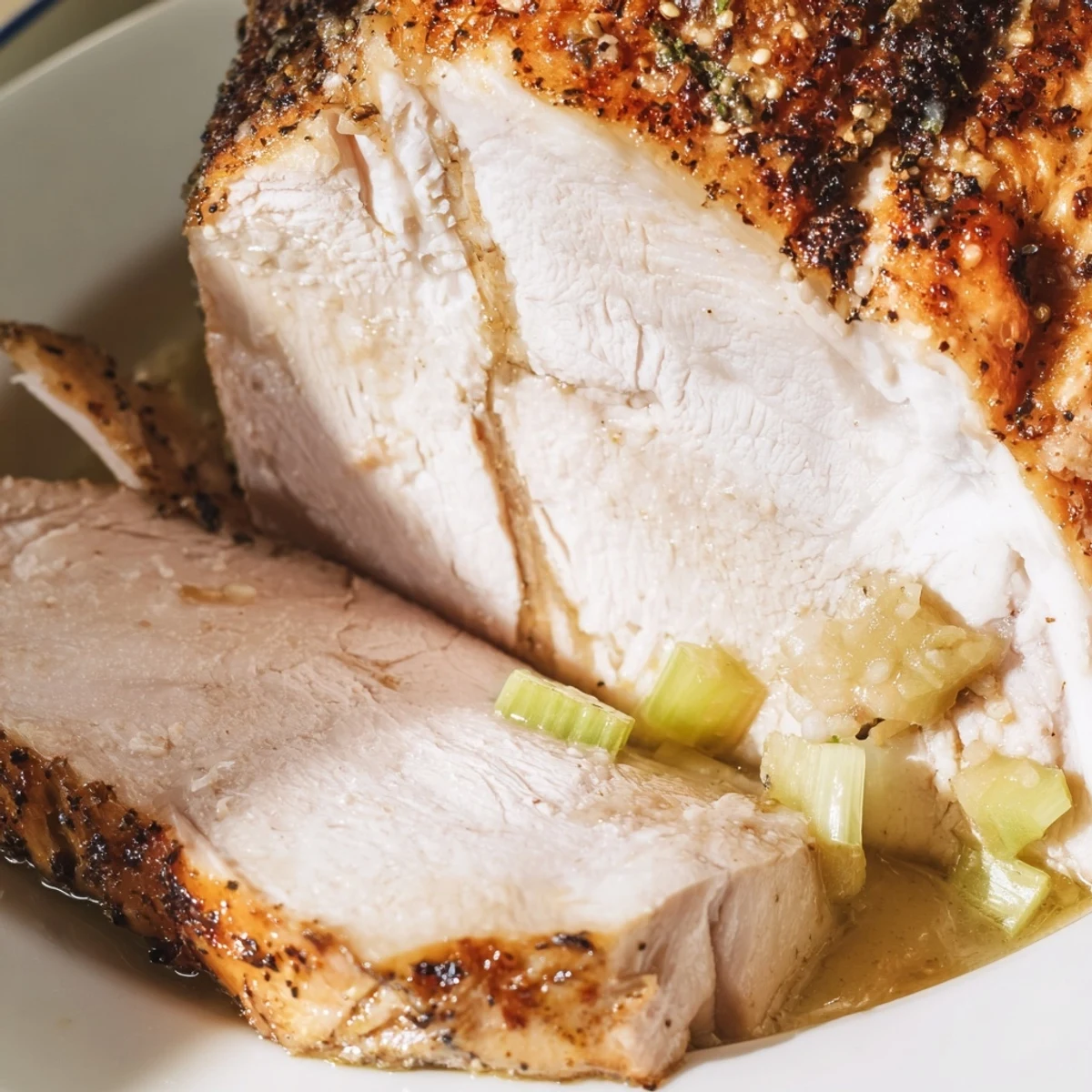
 This dish features a boneless turkey breast rubbed with olive oil, kosher salt, black pepper, thyme, rosemary, and smoked paprika. It's roasted atop a medley of carrots, onions, celery, and garlic in a flavorful broth with optional white wine. The turkey develops a crisp skin and tender interior after resting. Roasted vegetables soak up pan juices for a comforting pairing. Ideal for a gluten-free family dinner, this meal balances savory herbs and smoky spices with vegetable sweetness.
There's something about a turkey breast that catches people off guard—everyone expects the holiday bird to be complicated, but I discovered years ago that a simple pan roast in the middle of a random Tuesday could taste just as good as anything from November. My mom used to make this when we were running late for something, and somehow it became the meal I craved most when I wanted dinner to feel special without the fuss.
I made this for a dinner party once when a friend mentioned she hadn't had a proper home-cooked meal in months, and watching her face when she took that first bite—when she realized how simple it was to make something that tasted restaurant-quality—that's when this recipe stopped being just dinner and became something I made for people I wanted to impress without any pretense.
Ingredients
- Boneless turkey breast, skin-on (3–4 lb): The skin-on part is crucial—it's what gives you that crackling exterior that sounds like success when you bite into it.
- Olive oil (2 tbsp): This helps the seasonings cling to the meat and gets under the skin where it counts.
- Kosher salt, black pepper, dried thyme, dried rosemary, smoked paprika: The paprika is the secret whisper that makes people ask what your special ingredient is.
- Carrots, onions, celery, garlic: These aren't just vegetables—they're flavor builders that turn pan drippings into liquid gold.
- Low-sodium chicken broth and dry white wine: The wine adds a subtle sophistication, but broth alone works beautifully if you skip it.
Instructions
- Heat your oven and prep the stage:
- Set your oven to 375°F and let it come to temperature while you work. This steady heat is what transforms the turkey evenly without drying it out.
- Dry the turkey thoroughly:
- Pat that breast completely dry with paper towels—this is the one step that makes the skin actually crisp. Any moisture left behind becomes steam instead of crunch.
- Season with intention:
- Rub the turkey all over with olive oil, then sprinkle on salt, pepper, thyme, rosemary, and paprika. Don't be timid with the seasoning; the skin can handle it.
- Build your vegetable foundation:
- Scatter carrots, onions, celery, and garlic in your roasting pan. They'll soften and flavor everything around them.
- Position the turkey:
- Place the seasoned breast skin-side up directly on the vegetables. This is its throne for the next hour and a half.
- Add liquid without wetting the skin:
- Pour the broth and wine around the turkey, not over it—you're creating steam and flavor, not washing away the seasoning you just applied.
- Roast with patience:
- Slide it into the oven for 1 hour 10 minutes to 1 hour 20 minutes, until the thickest part reaches 165°F. Halfway through, baste the turkey with the pan juices to keep it moist and glossy.
- Finish the skin if needed:
- If the skin looks pale instead of mahogany, give it a quick 2–3 minute broil at the end. Watch it like a hawk—it can go from golden to burnt in seconds.
- Rest before slicing:
- Transfer the turkey to a cutting board, tent it with foil, and let it rest for 15 minutes. This pause lets the juices settle instead of running all over the plate.
- Serve with the vegetables and pan juices:
- Slice the turkey, pile on those caramelized vegetables, and spoon the pan juices over everything. That's where the real flavor lives.
 Bookmark
 The moment when someone asked me for the recipe for this—not just how to make it, but actually wanted to write it down—I realized this wasn't just another dinner. It was the kind of food that makes people feel like family.
The Magic of the Pan Drippings
What most people miss is that the real treasure isn't just the turkey—it's what happens in that roasting pan. Those vegetables break down into the broth, and the turkey releases its own juices, creating something you could never replicate with gravy from a packet. I learned to save every drop and spoon it over everything on the plate, because that's where all the hours of slow cooking have condensed into pure flavor.
Timing and Temperature
Turkey gets a bad reputation because people either undercook it out of fear or roast it until it's an afterthought. This recipe strikes the balance by knowing that 165°F in the thickest part is your target, and a thermometer tells you exactly when to stop. The smaller size of a single breast means it cooks faster than a whole bird, making this a completely feasible weeknight dinner that tastes like weekend cooking.
Making It Your Own
This recipe loves flexibility—it's confident enough to work with additions or swaps without falling apart. I've added fresh rosemary sprigs straight to the pan, swapped wine for extra broth when I didn't have any open, and even thrown in root vegetables like parsnips or potatoes when I wanted something heartier.
- Fresh herbs can go directly into the pan if you want a more aromatic finish.
- Root vegetables like parsnips or small potatoes roast beautifully alongside the standard vegetables.
- Leftovers make extraordinary sandwiches the next day, which is almost as good as eating it fresh.
 Bookmark
 This is the kind of recipe that becomes a go-to because it's simple enough to make on a random night but impressive enough to serve to people who matter. Once you nail it once, you'll find yourself coming back to it again and again.
Recipe FAQs
- → How do I ensure the turkey breast stays moist?
-
Rubbing olive oil and seasoning the turkey beforehand helps retain moisture, while roasting on vegetables keeps it elevated and juicy. Basting with pan juices halfway through cooking also locks in moisture.
- → Can I omit the white wine?
-
Yes, you can substitute white wine with extra low-sodium chicken broth without compromising flavor.
- → What internal temperature should the turkey reach?
-
The turkey is perfectly cooked at an internal temperature of 165°F (74°C) in the thickest part.
- → How can I achieve a crisp skin on the turkey breast?
-
If the skin isn’t crispy after roasting, broil the turkey for 2–3 minutes carefully watching to prevent burning.
- → What vegetables complement the turkey during roasting?
-
Carrots, onions, celery, and garlic release natural flavors that enhance the turkey while roasting and create a delicious bed to cook on.
- → Is this suitable for gluten-free diets?
-
Yes, all ingredients used are naturally gluten-free, making this a safe choice for gluten-sensitive diets.
