
 Bookmark
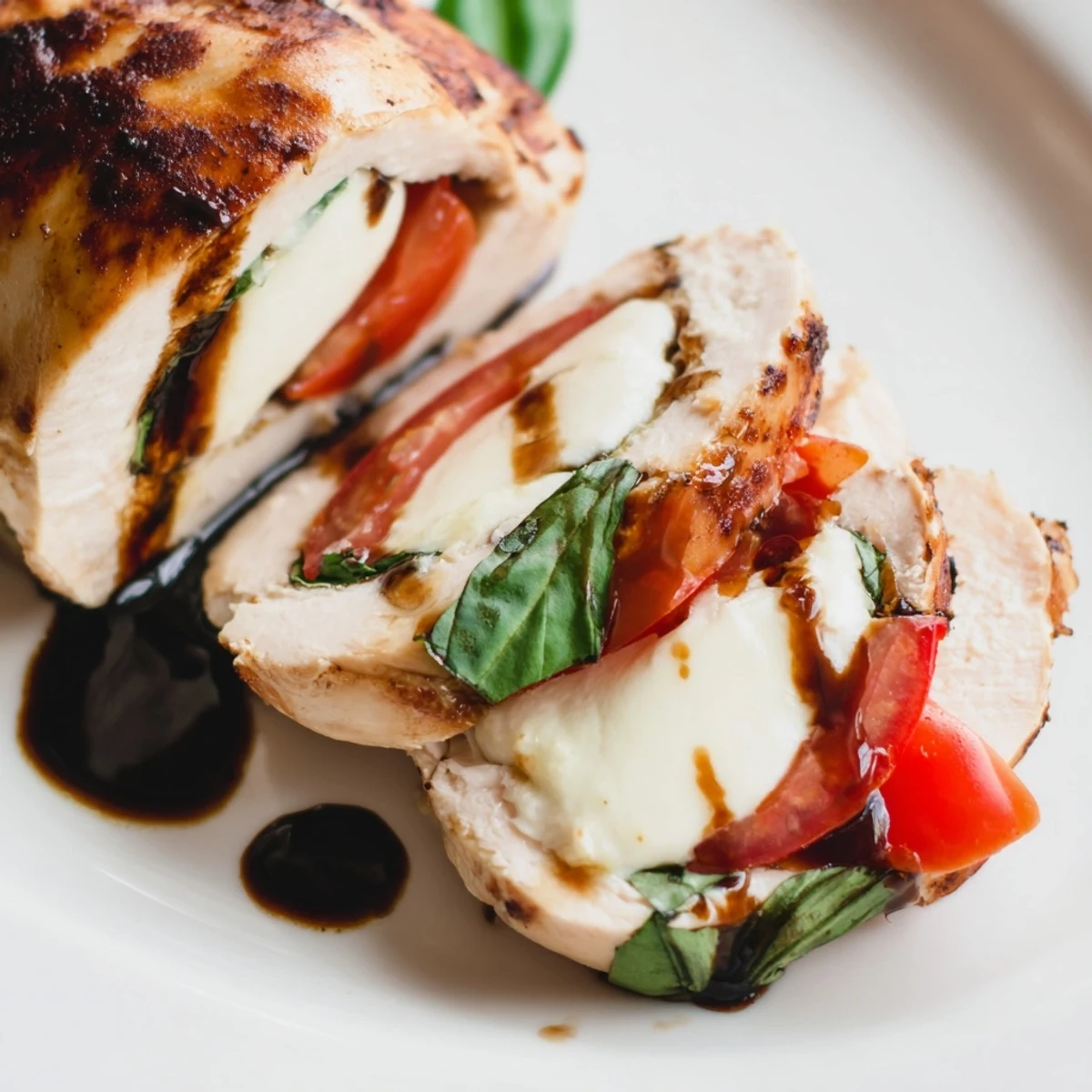
 This Italian-inspired dish features juicy chicken breasts carefully filled with slices of fresh mozzarella, ripe tomatoes, and fragrant basil leaves. After seasoning, the chicken is seared to a golden brown and baked to perfection. A sweet and tangy balsamic reduction, made with balsamic vinegar and honey, is drizzled on top to enhance the rich flavors. This dish pairs beautifully with fresh salads or roasted vegetables and offers a satisfying, low-carb option packed with protein.
There's something about the moment when a perfectly butterflied chicken breast transforms before your eyes—that satisfying pocket waiting to be filled with something special. I discovered this dish on a Tuesday evening when I had fresh mozzarella sitting in my fridge and a bundle of basil that had seen better days, and I realized I could turn an ordinary dinner into something that tasted like someone's Italian grandmother had whispered secrets into the pan. The balsamic reduction that finishes it off? That was born from impatience and a happy accident when I let it bubble a touch too long and suddenly it became this glossy, sophisticated thing that made everything taste like more than it was.
I made this for someone who claimed they didn't like chicken, and watching them plate it a second time was worth every bit of precision the recipe demands. That's when I understood that sometimes the most ordinary protein just needs the right partner to shine—in this case, the holy trinity of fresh mozzarella, sun-warm tomato, and basil that smells like summer even in February.
Ingredients
- Boneless, skinless chicken breasts (4): Look for ones that are relatively even in thickness so they cook at the same pace; if one side is chunky, give it a gentle pound to even things out.
- Fresh mozzarella cheese (120 g): The fresher the better—that delicate, milky flavor is what makes this sing, so avoid the dense blocks if you can.
- Ripe tomatoes (2 medium): Choose ones that actually smell like tomatoes when you bring them close, not the pale, watery ones that have been sitting too long.
- Fresh basil leaves (12): Tear or slice them just before assembly so they don't bruise and lose their fragrance.
- Balsamic vinegar (120 ml): Use a vinegar you'd actually taste on its own; cheap balsamic tastes like regret.
- Honey (1 tablespoon): A touch of sweetness rounds out the acidity of the reduction and gives it a professional finish.
- Olive oil (1 tablespoon): Good enough to make a difference in the sear, not so fancy it goes to waste on high heat.
- Salt, black pepper, garlic powder: These are your baseline seasoning, both inside and out, so don't undersell them.
Instructions
- Set the stage:
- Preheat your oven to 200°C (400°F) and line a baking tray with parchment paper just in case you need it. Have your toothpicks, sharp knife, and all ingredients prepped and within arm's reach—this next part moves fast.
- Create the pocket:
- Lay a chicken breast flat, and using a sharp knife held parallel to the cutting board, slice into the thickest part of each breast horizontally, creating a pocket that goes most of the way through but doesn't break through the other side. It takes a steady hand and a moment of focus, but you'll know when you've got it right because it opens up like a little cave.
- Season generously:
- Sprinkle salt, pepper, and garlic powder all over the outside of each breast and inside those pockets too. This is where flavor lives, so be generous but not reckless.
- Stuff with care:
- Layer mozzarella, tomato, and three basil leaves into each pocket, tucking them in gently so they nestle together. The filling will want to tumble out, which is why the next step exists.
- Secure it:
- Slide toothpicks through the opening of each breast to hold the pocket closed during cooking. You'll remove them later, but right now they're the thing keeping everything from spilling into the pan.
- Get the sear:
- Heat olive oil in an oven-safe skillet over medium-high heat until it shimmers, then place each stuffed breast into the pan. Sear for 2-3 minutes per side until the outside is golden and lightly browned—this isn't just for looks, it's where flavor happens.
- Finish in the oven:
- Transfer the whole skillet to the oven (or transfer the chicken to your prepared baking tray) and bake for 18-22 minutes until the chicken is cooked through and you can see the cheese beginning to leak out from the sides. The internal temperature should hit 75°C (165°F) if you're checking with a thermometer.
- Make the reduction:
- While the chicken bakes, combine balsamic vinegar and honey in a small saucepan over medium heat. Bring it to a gentle simmer and let it bubble away, stirring now and then, until it's reduced by about half and coats the back of a spoon with a syrupy gloss—this usually takes 8-10 minutes and smells incredible.
- Plate and drizzle:
- Remove the toothpicks from the cooked chicken and place each breast on a plate, then drizzle generously with the warm balsamic reduction. Let it pool and glisten before serving.
 Bookmark
 There's a specific moment near the end of cooking when you pull the skillet from the oven and see the cheese just barely escaping from the sides of the chicken, still steaming and bubbling slightly—that's when you know you've got it right. It's the kind of moment that makes the whole careful pocket-cutting feel worthwhile.
Timing It Right
The beauty of this dish is that almost everything can be prepped ahead of time, so when dinner actually needs to happen, you're mainly just searing and baking. I like to butterfly and stuff the chicken an hour before cooking, then let them sit in the fridge so the cold center stays cold when they hit the pan and everything cooks more evenly. The balsamic reduction is so quick that you can start it the moment the chicken goes into the oven, giving you just enough time to set the table and pour a glass of wine before it's ready.
What to Serve Alongside
This dish doesn't need much company—a simple green salad with lemon vinaigrette lets the chicken stay the star, or roasted vegetables like zucchini and bell peppers give you something to soak up any extra balsamic that pools on the plate. I've learned that the simpler the sides, the more the stuffed chicken shines, so resist the urge to make everything complicated.
Make It Your Own
The core of this dish is flexible, so don't be afraid to swap things around based on what you have. Provolone works beautifully if fresh mozzarella isn't available, and a handful of sun-dried tomatoes adds depth if your fresh tomatoes are disappointing. If you want to layer in more Italian flavor, a whisper of Italian seasoning on the outside makes everything taste more intentional, though basil is really doing most of the talking here.
- Sprinkle Italian seasoning or dried oregano onto the outside of the chicken for extra depth.
- Try thin slices of prosciutto tucked into the pocket for richness that feels luxurious but isn't complicated.
- A small splash of white wine in the balsamic reduction adds sophistication without being obvious about it.
 Bookmark
 This is the kind of dish that makes a Tuesday night feel special, and once you've made it once, you'll find reasons to make it again. It sits right at that perfect intersection of impressive enough to serve to people but simple enough that you don't mind making it for yourself.
Recipe FAQs
- → How do you prevent the filling from leaking during cooking?
-
Use toothpicks to securely close the pocket after stuffing the chicken. Searing the chicken before baking also helps seal the filling inside.
- → Can I prepare the balsamic reduction ahead of time?
-
Yes, the balsamic reduction can be made in advance and reheated gently before drizzling over the chicken.
- → What cheese alternatives work in this dish?
-
Provolone or fontina cheeses are good substitutes for mozzarella, offering a similar melt and flavor profile.
- → Is it necessary to sear the chicken before baking?
-
Searing helps develop a golden crust and locks in moisture, enhancing both texture and flavor.
- → How can I make this dish gluten-free?
-
Ensure all ingredients, especially balsamic vinegar, are labeled gluten-free. The dish is naturally low-carb and gluten-free when prepared with these precautions.
