
 Bookmark
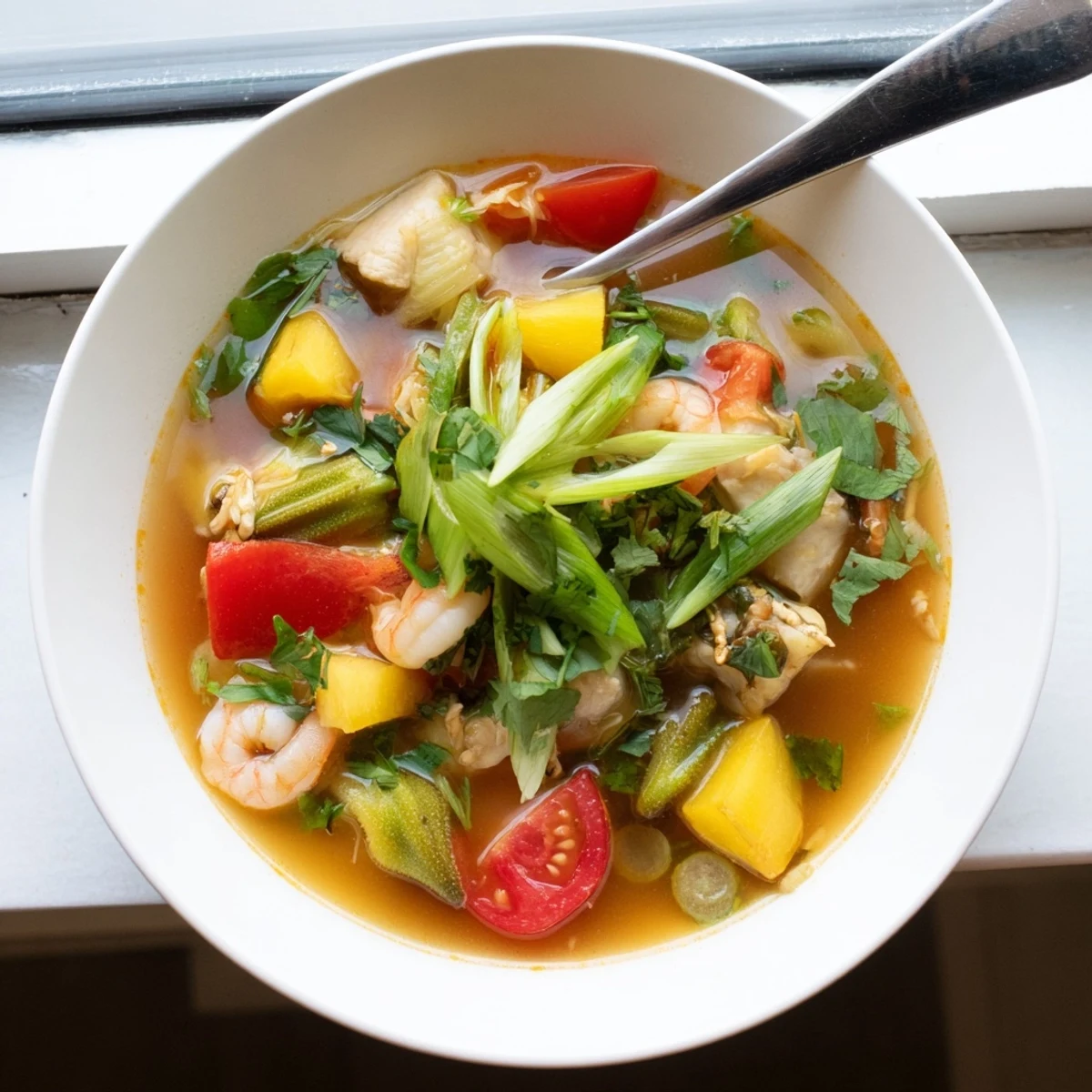
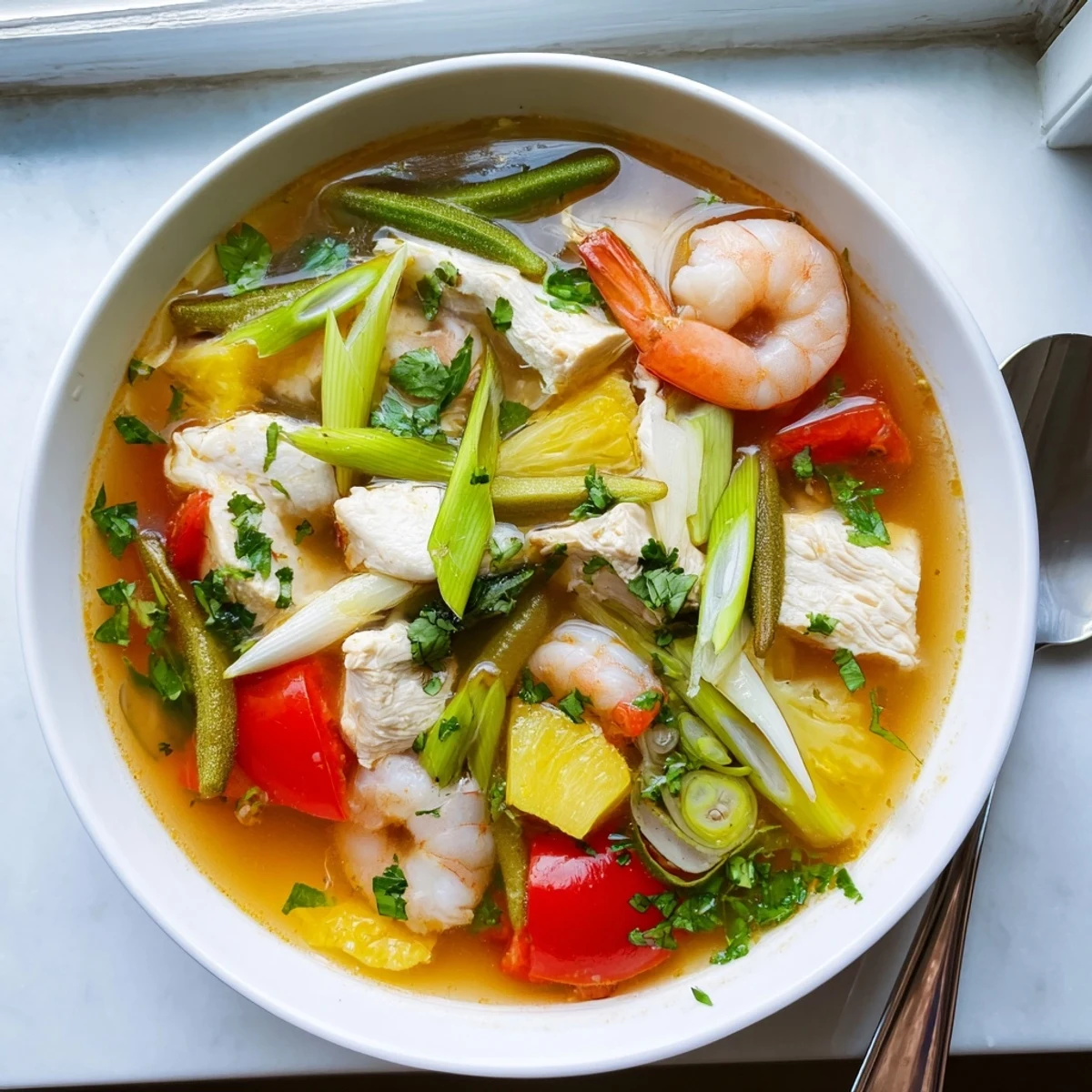
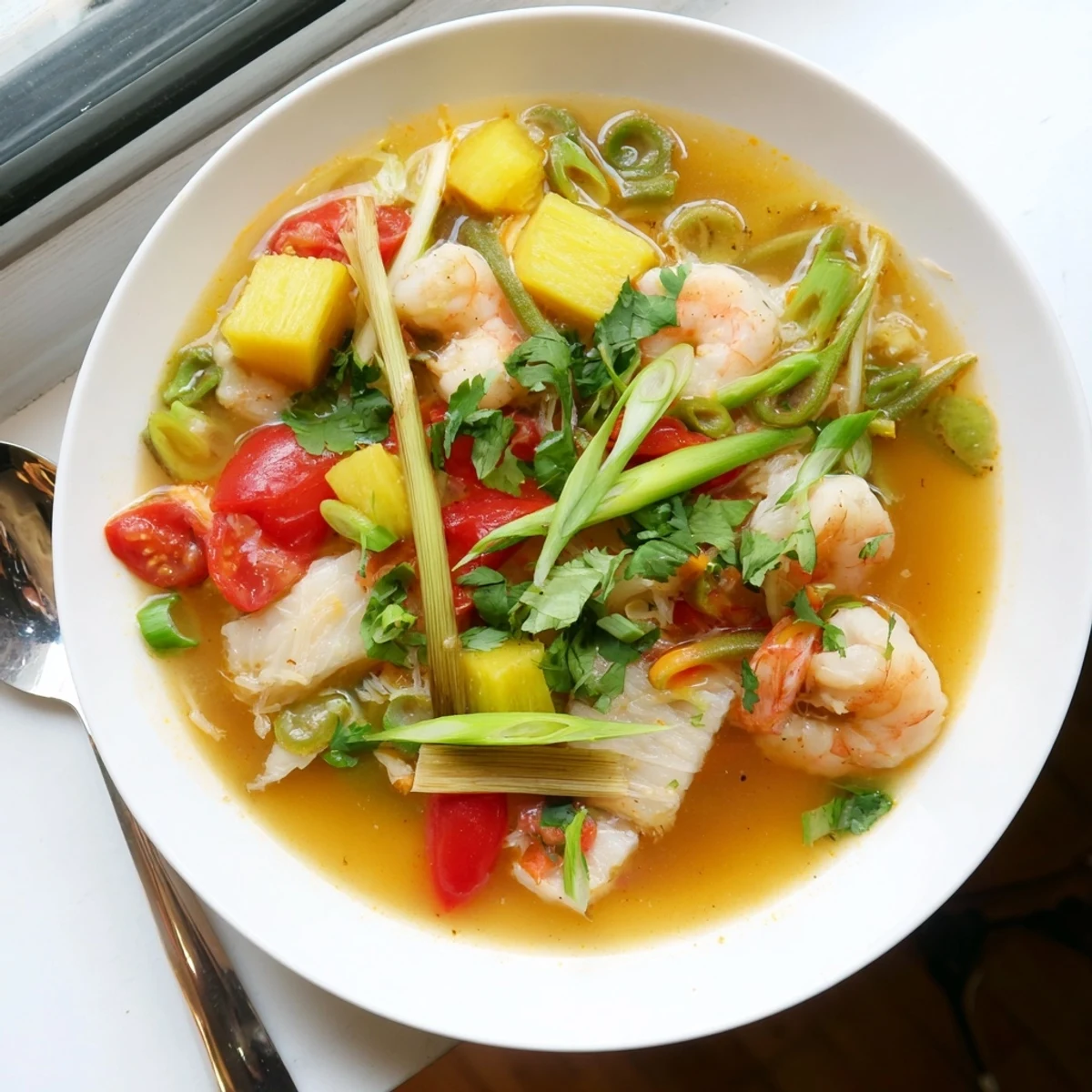
 This beloved Vietnamese soup brings together tender white fish and shrimp with sweet pineapple chunks, juicy tomatoes, and crisp bean sprouts. The broth gets its signature tang from tamarind paste, balanced perfectly with sugar and savory fish sauce. Aromatics like lemongrass, garlic, and fresh herbs including cilantro and Thai basil create layers of fragrance that make this dish truly special. Ready in just 40 minutes, it's traditionally served over steamed jasmine rice for a complete meal that captures the essence of Vietnamese cuisine.
The first time I tasted Canh Chua was at my friend Lan's house in Hanoi during a sweltering July afternoon. Her grandmother ladled this steaming bowl into my hands, explaining that hot soup actually cools you down by making you sweat. I was skeptical until that first spoonful hit my tongue—the tangy sweetness woke up every sense, while the herbs made the whole kitchen feel like a garden. Now I make it whenever I need something that tastes like sunshine, even on the darkest winter days.
Last month, my partner came home exhausted after a brutal week at work, and I decided to make Canh Chua on impulse. The moment I started bruising the lemongrass, the whole apartment filled with this citrusy fragrance that made both of us stop and breathe deeper. We ate it on the couch in our pajamas, and halfway through the bowl, they looked up and said this tastes exactly like that little restaurant we loved in Saigon. Sometimes food really is the fastest way to travel somewhere else.
Ingredients
- White fish fillets: Catfish holds up beautifully in the hot broth but tilapia works perfectly if you are watching your budget
- Pineapple: Fresh pineapple is non negotiable here because it provides that essential sweetness that balances the tamarind
- Tamarind paste: This is the soul of the dish, giving Canh Chua its signature sour punch that cuts through the richness
- Lemongrass: Bruise the stalks with the back of your knife to release all those fragrant oils before adding them to the pot
- Tomatoes: They break down slightly in the broth, creating this beautiful body and subtle sweetness
- Fresh herbs: Thai basil and cilantro get added at the very end so they stay bright and aromatic
- Fish sauce: Add it gradually and taste as you go because brands vary wildly in saltiness
Instructions
- Build the aromatic foundation:
- Heat oil in your largest pot over medium heat, then add garlic and onions. Cook until they turn translucent and your kitchen smells amazing.
- Add the backbone flavors:
- Toss in lemongrass and tomatoes, letting them cook for a few minutes until tomatoes start breaking down.
- Create the broth:
- Pour in your water or stock, bring it to a gentle boil, then stir in tamarind paste and sugar. Let this simmer for a few minutes to marry the flavors.
- Add the hearty vegetables:
- Add pineapple, celery, and okra. Cook for about five minutes until they are tender but still have some bite.
- Cook the seafood gently:
- Slide in your fish and shrimp carefully so they do not break apart. Simmer until just cooked through, skimming any foam that rises to the top.
- Season to perfection:
- Add fish sauce, salt, and pepper. Taste and adjust the tamarind and sugar until you hit that perfect sweet and sour balance.
- Finish with fresh herbs:
- Stir in bean sprouts, herbs, spring onions, and chilies. Give it just one more minute, then serve immediately.
 Bookmark
 This soup has become my go-to when friends are feeling under the weather. Something about that hot, sour, herbal combination feels restorative in a way I cannot fully explain. Last week, my neighbor texted me at midnight asking for the recipe after trying it at my dinner party, which might be the highest compliment I have ever received.
Getting The Balance Right
The magic of Canh Chua lives in that tension between sour and sweet, and every batch will taste slightly different. I always start with less tamarind than the recipe calls for because it is easier to add more than to fix an overly sour soup. Taste after the broth simmers, adjust, then taste again after adding the fish.
Choosing Your Fish
Sturdier white fish like catfish or snapper work best because they hold their shape in the hot broth. I learned the hard way that delicate fillets like sole will disintegrate into sad little flakes. If you can only find thinner fillets, consider adding them just two minutes before serving.
Make It Your Own
The classic recipe is perfect, but I have found some variations that have become regulars in my kitchen. Sometimes I add eggplant for extra creaminess, or skip the shrimp and double the fish for a simpler version. My mother-in-law likes hers with extra chilies and a squeeze of fresh lime right before eating.
- Make a vegetarian version with tofu and vegetable stock
- Add rice noodles to turn it into a full meal
- Double the herbs if you love that fresh, aromatic finish
 Bookmark
 There is something so satisfying about a soup that manages to be comforting and exciting at the same time. I hope this recipe finds its way into your regular rotation, bringing a little Vietnamese sunshine to your table whenever you need it.
Recipe FAQs
- → What makes Canh Chua authentic?
-
Authentic Canh Chua relies on tamarind paste for natural sourness, fresh pineapple for sweetness, and aromatic herbs like rice paddy herb (ngò om) or Thai basil. The combination of these ingredients creates the distinctive sweet-sour flavor profile that defines this Vietnamese soup.
- → Can I make this vegetarian?
-
Yes, simply replace the fish and shrimp with firm tofu cubes and use vegetable stock instead of fish stock. You'll also need to substitute fish sauce with soy sauce or a vegetarian fish sauce alternative to maintain the savory depth.
- → What fish works best?
-
White fish fillets like catfish, tilapia, snapper, or sea bass are ideal because they hold their shape well during cooking and have a mild flavor that complements the tangy broth without overpowering it.
- → How do I adjust the sourness?
-
Start with the recommended tablespoon of tamarind paste, then taste the broth before adding the fish. If you prefer it more sour, add another teaspoon. For less tanginess, reduce the tamarind slightly or add a pinch more sugar.
- → Can I skip the okra?
-
Absolutely. Okra is optional and primarily adds texture. If you don't enjoy it or can't find it, the soup will still be delicious without it. Some cooks also add elephant ear stems (bekas) for traditional crunch.
