
 Bookmark
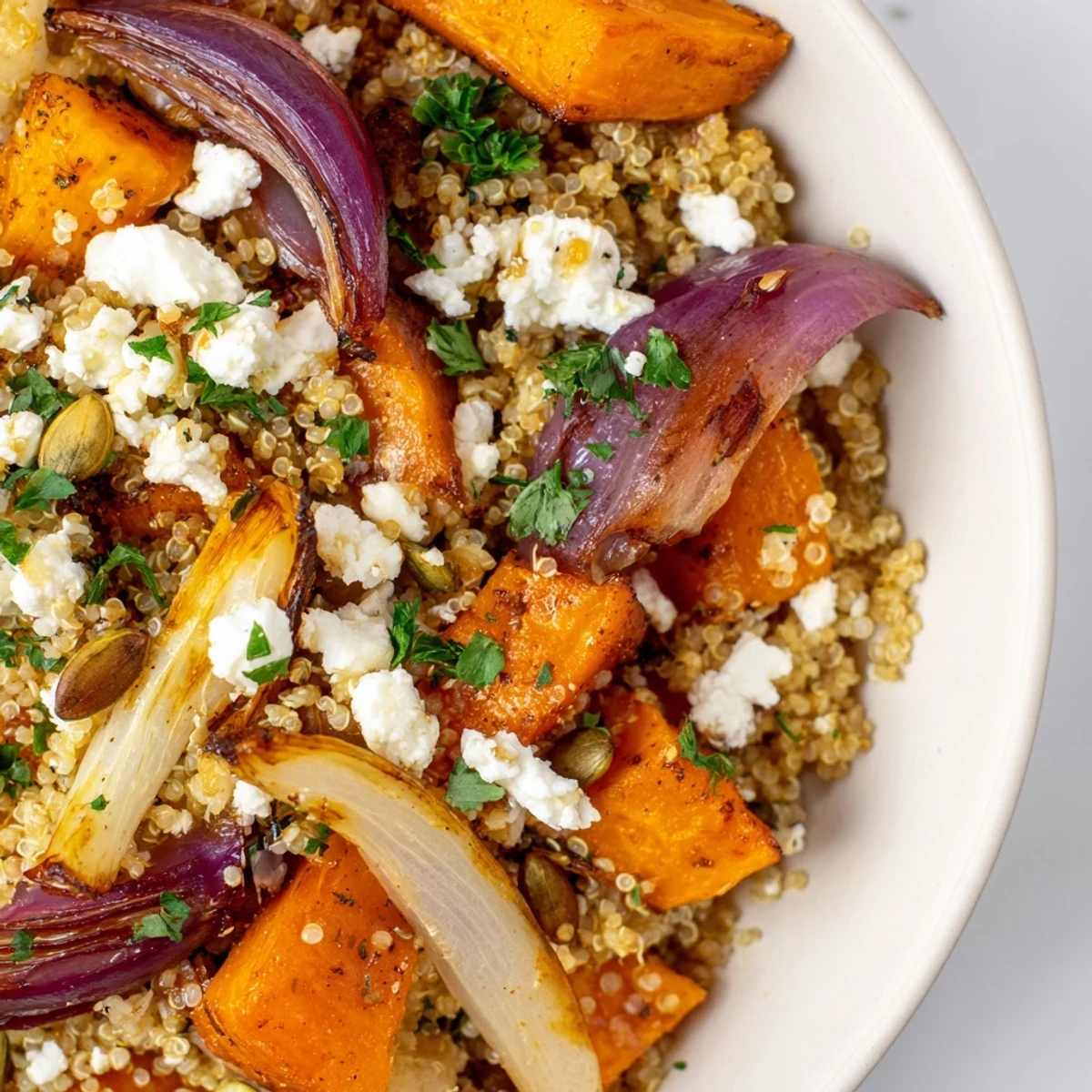
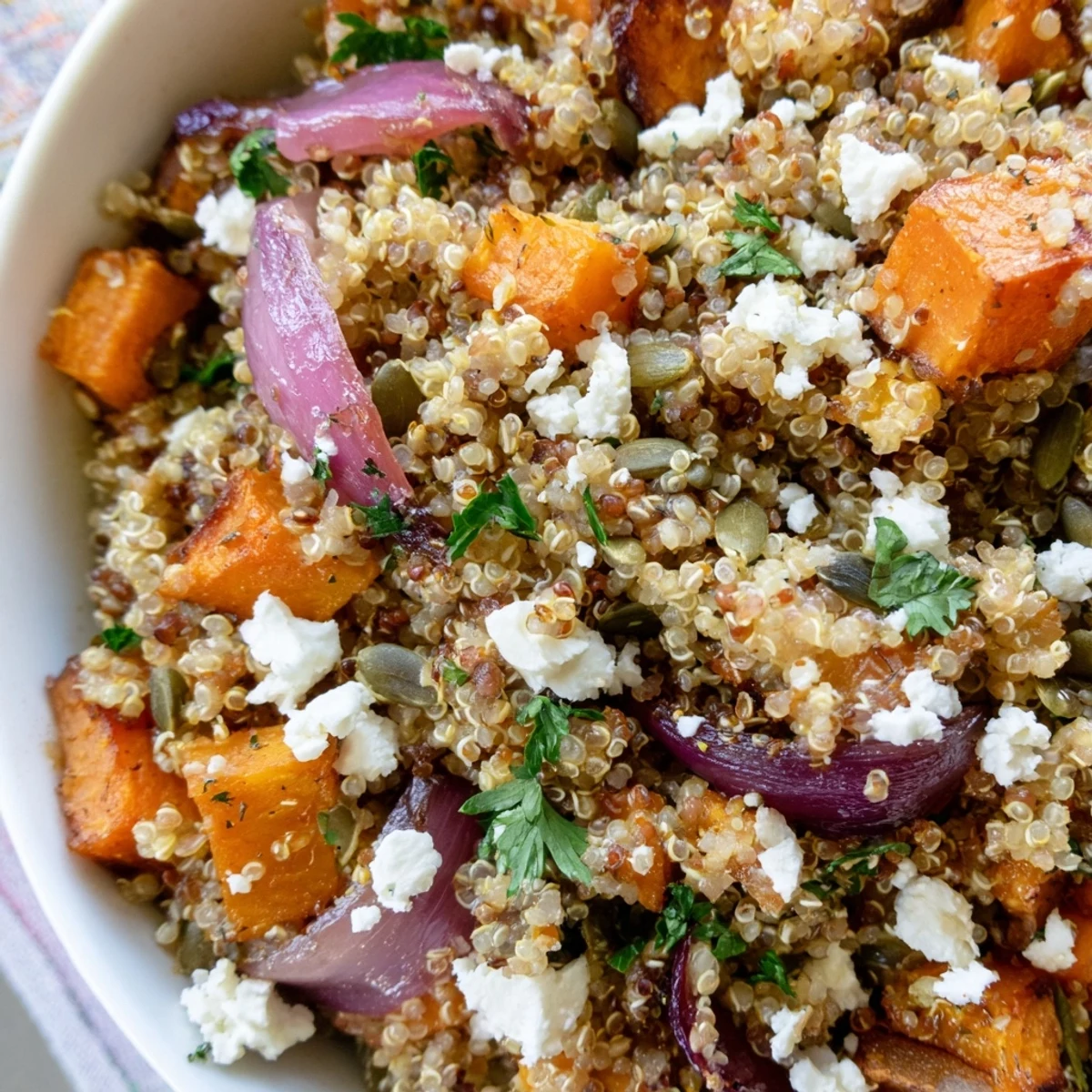
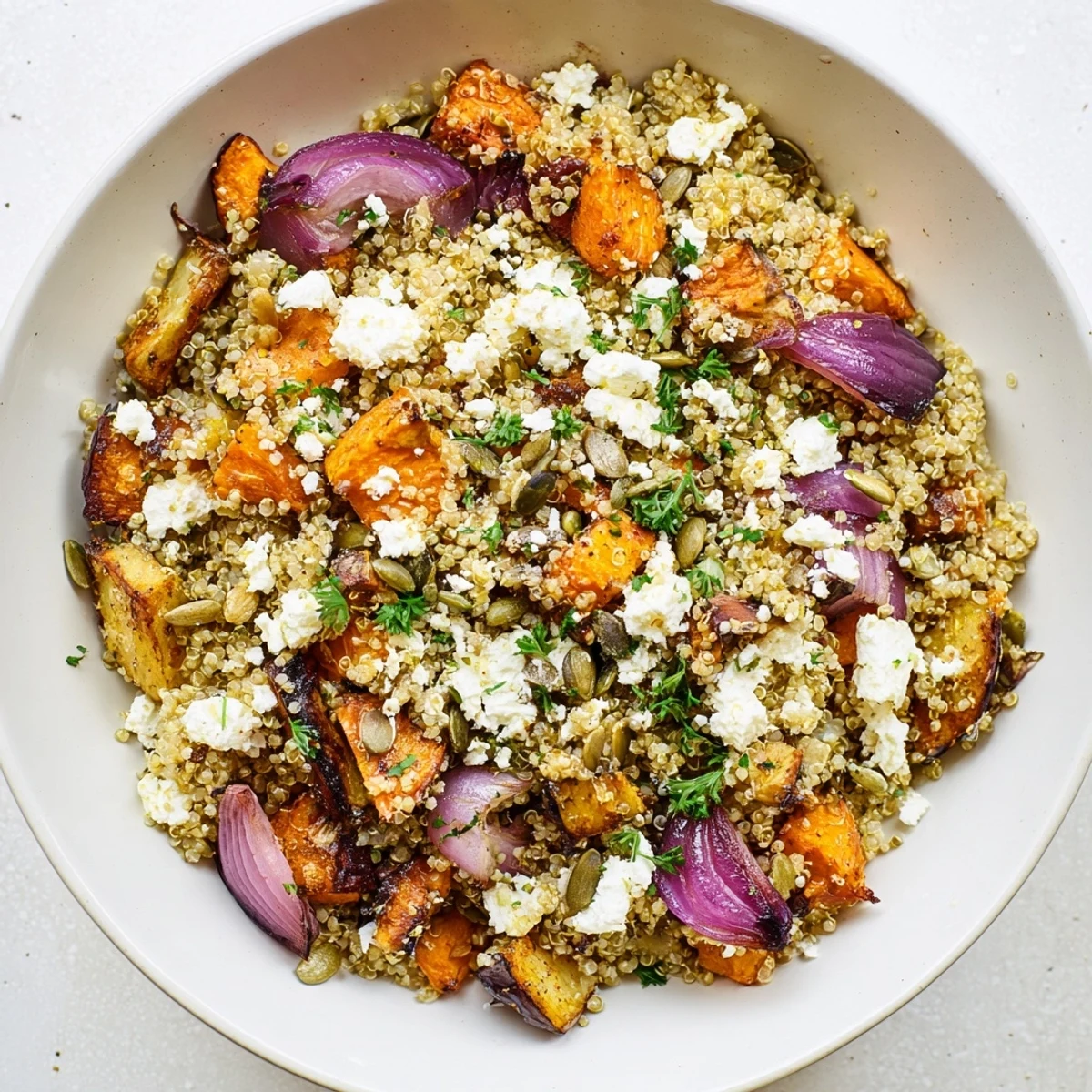
 This dish features tender roasted root vegetables such as carrots, parsnips, and sweet potatoes paired with fluffy quinoa. The vegetables are seasoned with olive oil, sea salt, and black pepper then roasted to caramelized perfection. Quinoa is cooked in vegetable broth for a flavorful base. A zesty dressing blends olive oil, apple cider vinegar, Dijon mustard, and a touch of honey maple sweetness, bringing bright, balanced flavors. Finished with fresh parsley, optional feta, and toasted pumpkin seeds, this warming salad offers a satisfying and wholesome option for lunch or dinner.
There's something almost meditative about roasting root vegetables on a weeknight when you need dinner to feel both nourishing and effortless. I stumbled onto this quinoa salad during one of those cooking sessions where I had a half-empty fridge and a craving for something warm and grounding. The way the parsnips turn sweet and caramelized, how the quinoa becomes this light, fluffy base—it all came together so naturally that I started making it regularly. Now it's become my go-to when I want something that tastes like real food, not a shortcut.
I made this for a friend who'd just moved to a new apartment with barely any kitchen equipment, and watching her face light up when she tasted how the apple cider vinegar woke up all those roasted flavors—that's when I realized this salad had staying power. She now makes it every weekend and texts me photos of her variations.
Ingredients
- Carrots and parsnips: These two are the backbone of the roasted layer; the parsnips especially develop a honey-like sweetness that balances the earthiness.
- Sweet potato: Adds natural sweetness and a creamy texture when roasted, plus it keeps the salad feeling substantial.
- Red onion: The wedges caramelize beautifully and provide a gentle bite that cuts through the richness.
- Quinoa: Rinse it well or it tastes slightly bitter—this small step makes a real difference in how fluffy and pleasant the final dish feels.
- Apple cider vinegar: This is what transforms the salad from bland to bright; don't skip it or replace it with regular vinegar.
- Dijon mustard: A tiny amount acts as an emulsifier, helping the dressing coat the warm vegetables more evenly.
- Feta and pumpkin seeds: The feta adds a salty contrast while the seeds bring a toasted crunch that keeps every bite interesting.
Instructions
- Prep your vegetables:
- Cut everything into roughly the same size so they roast evenly; smaller pieces get crispy at the edges while larger ones stay tender inside. I aim for half-inch cubes, which takes a little patience but pays off.
- Season and roast:
- Toss the vegetables with olive oil and salt, then spread them in a single layer. The oil is what creates those caramelized edges, so don't be shy with it.
- Cook the quinoa:
- Use a ratio of 2 parts liquid to 1 part quinoa, and don't skip the resting period after cooking—it lets the grains absorb any remaining moisture and become fluffy rather than mushy.
- Build the dressing:
- Whisk it while the vegetables are still roasting so the honey dissolves completely. A quick taste here helps you adjust the vinegar or salt before dressing the whole salad.
- Combine while warm:
- The warm quinoa and vegetables absorb the dressing better than if everything were cold, so timing matters here. You'll notice the flavors develop more fully when assembled while warm.
- Finish with texture:
- Add the feta and pumpkin seeds right before serving so they don't get soggy from the warmth. These toppings stay crisp and provide the contrast that makes each forkful interesting.
 Bookmark
 There was a moment last fall when I served this still-warm to someone who usually orders takeout, and they asked for the recipe before finishing their plate. It's those unexpected reactions that remind me why I cook—not for complexity, but for something that genuinely nourishes.
Making It Your Own
This salad is a canvas more than a fixed formula. I've swapped the parsnips for roasted beets when I had them, added a handful of spinach that wilts into the warm quinoa, and once threw in some roasted chickpeas for extra protein. The structure stays the same, but the flavors shift based on what's in your kitchen. That flexibility is part of why I keep coming back to it.
Serving and Storage
Serve this warm or at room temperature—both work, though I prefer it while the vegetables still have a gentle warmth. It keeps beautifully in the refrigerator for three days, and you can even pack it for lunch without worrying that it will wilt or separate.
Why This Works as a Main Dish
The combination of protein from quinoa and feta, fiber from the vegetables, and healthy fats from the dressing and seeds means this isn't a light salad you'll be hungry for an hour after eating. It's the kind of dish that stands on its own, though it pairs beautifully with crusty bread if you want something more substantial. The roasting brings out natural sugars in the vegetables, so the whole dish feels almost indulgent despite being straightforward and wholesome.
- Add a fried egg on top for extra richness and protein if you're making this for breakfast or brunch.
- A sprinkle of fresh lemon zest right before serving brightens everything up without adding moisture.
- If feta isn't your thing, goat cheese or even a creamy avocado work beautifully instead.
 Bookmark
 This salad has taught me that the simplest dishes often carry the most meaning. It's become the recipe I reach for when I want to cook something real, something that feels both nourishing and genuine.
Recipe FAQs
- → Can I substitute parsnips with other root vegetables?
-
Yes, parsnips can be swapped with turnips or roasted beets for different flavors and textures.
- → How do I achieve fluffy quinoa?
-
Rinse quinoa before cooking, simmer gently in vegetable broth or water, then let rest covered off heat for 5 minutes before fluffing with a fork.
- → What dressing components balance the flavors?
-
The dressing combines olive oil, apple cider vinegar, Dijon mustard, and a bit of honey or maple syrup for a tangy, slightly sweet finish.
- → Is feta cheese necessary for the dish?
-
Feta is optional and can be omitted or replaced with plant-based cheese for a vegan variation.
- → How do I get caramelized vegetables evenly roasted?
-
Toss vegetables evenly in oil and seasoning, spread on a baking sheet in a single layer, and stir halfway through roasting at 425°F (220°C) for 30–35 minutes.
