
 Bookmark
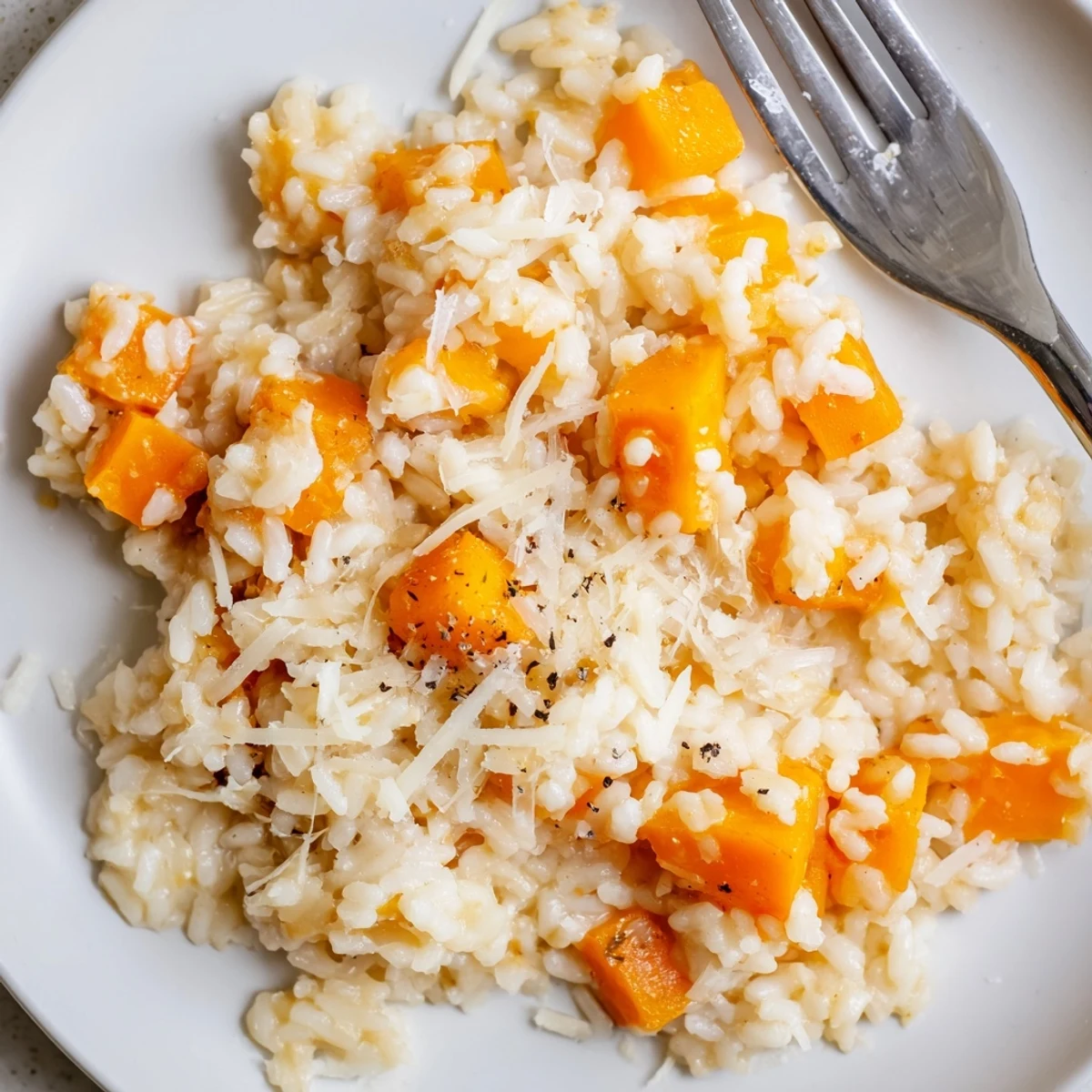
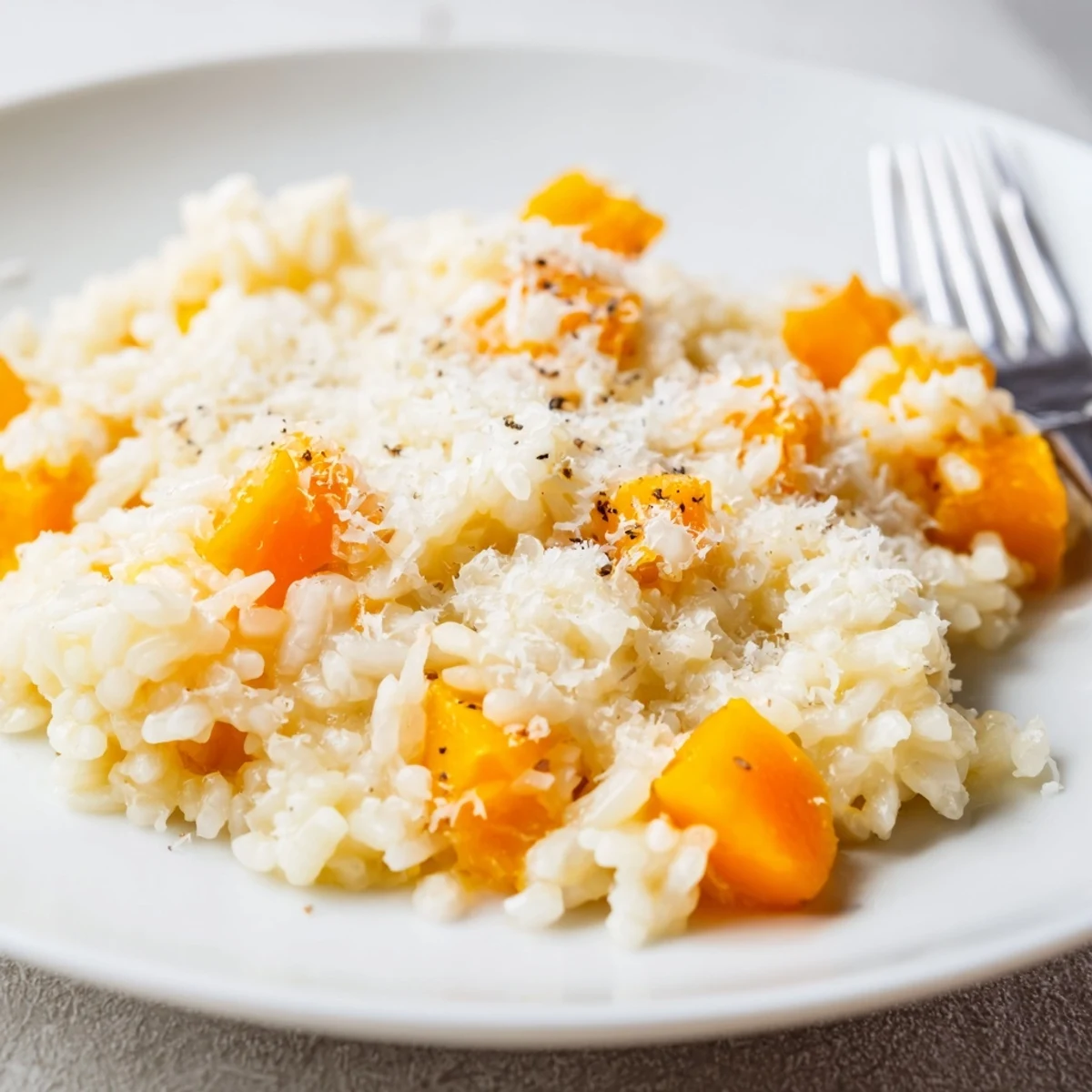
 This comforting Italian dish combines creamy Arborio rice with tender winter squash and freshly grated Parmesan. Carefully cooked with white wine and warm vegetable broth, the risotto achieves a rich, smooth texture. Aromatics like onion and garlic enhance the flavor, while a touch of butter and fresh thyme add finishing richness. Ideal for a cozy meal, it balances sweetness and savoriness in every bite.
There's something about the first cold snap that makes me crave risotto—specifically the kind where golden squash melts into creamy rice and fills your kitchen with this warm, almost honey-like aroma. I discovered this version years ago on a Tuesday night when I had butternut squash sitting on the counter and suddenly realized it would be perfect stirred into risotto instead of roasted. That moment of improvisation turned into the dish I make every November without fail.
I made this for my sister's dinner party last winter, and I remember her standing at the stove, watching the broth gradually absorb into the rice, asking why it wasn't done yet—that was the moment she understood why risotto requires attention. By the end of the meal, she was asking for the recipe, and now it's become her go-to dish when she wants to impress people.
Ingredients
- Winter squash (2 cups, peeled and diced): Butternut squash is traditional and sweet, but acorn or kabocha work beautifully too—cut it into small, even pieces so it softens at the same pace as the rice.
- Arborio rice (1½ cups): This short-grain rice has a high starch content that creates creaminess naturally; don't substitute with long-grain rice or you'll lose that signature texture.
- Vegetable broth (5 cups, kept warm): Warm broth gets absorbed faster and more evenly than cold broth, which is the secret to creamy risotto—keep it simmering in a separate pot.
- Dry white wine (½ cup): The acidity brightens everything; use something you'd actually drink, not cooking wine from a bottle gathering dust.
- Unsalted butter (3 tbsp, divided): Butter added at the end creates richness that ties everything together—this is where you taste the difference between good risotto and mediocre risotto.
- Freshly grated Parmesan cheese (½ cup): Pre-grated cheese has anti-caking agents that won't melt as smoothly; grate it yourself from a block for the creamiest finish.
- Onion (1 small, finely chopped): This is your flavor foundation—don't skip this step even though it seems simple.
- Garlic (2 cloves, minced): Garlic goes in after the onion softens so it doesn't burn and turn bitter.
- Olive oil (2 tbsp): Use good olive oil here since its flavor comes through; it's part of the taste of the dish, not just cooking fat.
- Salt and black pepper: Season at the end so you can taste as you go—risotto continues to absorb liquid even as you season, so early seasoning can make it oversalted.
- Fresh thyme (for garnish, optional): A few leaves on top add a whisper of earthiness that complements squash perfectly.
Instructions
- Build your base:
- Heat the olive oil and 1 tablespoon of butter together in your largest saucepan over medium heat—this combination of fat creates better flavor than either alone. Add the finely chopped onion and let it soften for 3 to 4 minutes, stirring occasionally, until it becomes translucent and smells sweet.
- Toast the garlic and squash:
- Stir in the minced garlic and cook for just 30 seconds until fragrant, then add your diced squash. Cook for 5 to 6 minutes, stirring every minute or so, until the pieces start to soften at the edges—you want them tender but not falling apart.
- Toast the rice:
- Add the Arborio rice and stir constantly for 1 to 2 minutes until the grains turn slightly opaque and smell faintly nutty. This toasting step helps the rice hold its shape while still becoming creamy.
- Add the wine:
- Pour in the white wine all at once and stir until the rice absorbs it completely—you'll see the liquid disappear into the grains, which is exactly what you want.
- Broth ladder (the patient part):
- Add one ladleful of warm vegetable broth and stir frequently, letting the liquid absorb almost completely before adding the next ladleful. This slow addition is what creates that signature creamy texture—it usually takes 20 to 25 minutes total, and your constant stirring releases starch from the rice that becomes the sauce.
- Finish with richness:
- When the rice is creamy and tender but still holds its shape between your teeth (that's al dente), remove the pan from heat. Stir in the remaining 2 tablespoons of butter and the freshly grated Parmesan, folding gently so the cheese melts into the creaminess.
- Season and serve:
- Taste it and adjust salt and pepper as needed—remember that Parmesan adds saltiness, so go easy at first. Divide into bowls immediately and garnish with a few thyme leaves if you have them.
 Bookmark
 I'll never forget the afternoon my grandmother tasted this for the first time and immediately understood why I bothered spending 30 minutes stirring a pot. She said it reminded her of polenta, but softer and more luxurious—and somehow that quiet moment of recognition made the whole recipe feel worth keeping.
Why Squash Works Here
Winter squash brings natural sweetness that plays beautifully against savory Parmesan—it's less obvious than you'd think, more like a gentle warmth than a dessert flavor. The squash also breaks down into the risotto as it cooks, thickening the sauce further and adding body without needing cream. I've found that roasting the squash first intensifies its flavor, but honestly, adding it raw works fine too if you're short on time.
White Wine and Acidity
The dry white wine isn't just there for sophistication—it adds brightness that cuts through the richness of butter and cheese, keeping the whole dish from feeling heavy. I learned this the hard way by once skipping it, and the risotto tasted flat and one-dimensional. Now I always include it, and it transforms good risotto into something that tastes balanced and complete.
Variations and Swaps
This recipe is forgiving enough to adapt to what's in your kitchen or what season you're cooking in. In fall, acorn squash works beautifully and tastes slightly earthier, while kabocha squash adds a subtle nuttiness. I've also added a splash of cream at the end when I wanted extra richness for a special meal, and it never hurt—though the butter alone is usually sufficient.
- Try adding crispy sage leaves on top instead of thyme for a different herb profile that's equally delicious.
- A handful of spinach or kale stirred in at the end adds color and nutrition without changing the core flavor.
- Save a tablespoon of Parmesan and crispy breadcrumbs to sprinkle on top for textural contrast if you want something a little less smooth.
 Bookmark
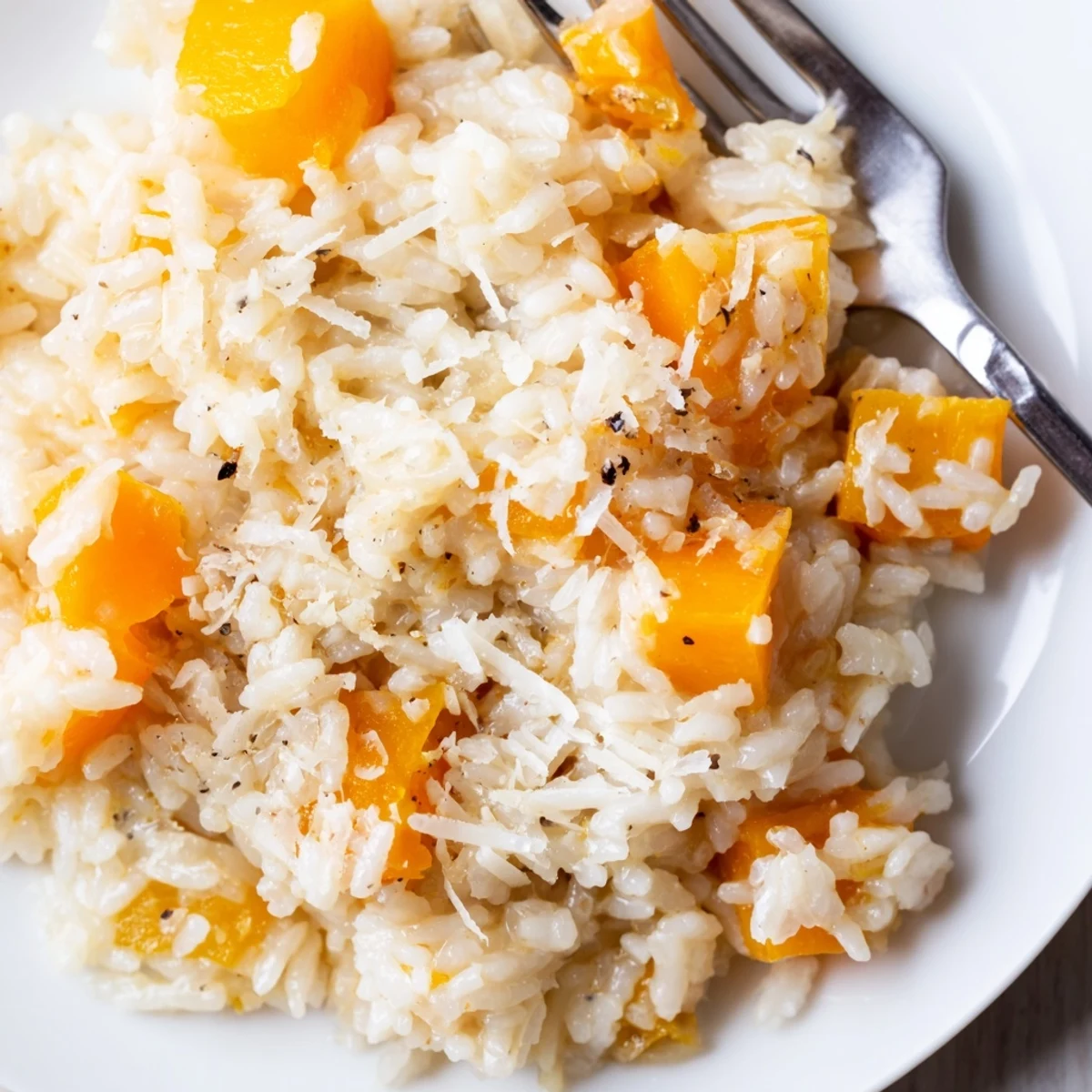
 This is the kind of dish that tastes like care because it requires attention, and somehow people always sense that. Make it once and it becomes part of your rotation—the dish you turn to when you want comfort without apology.
Recipe FAQs
- → What type of squash works best?
-
Butternut squash is preferred for its sweetness and texture, but acorn or kabocha are great alternatives.
- → Can I use another cheese instead of Parmesan?
-
Parmesan adds a distinct savory depth, but aged Pecorino Romano can also complement the dish nicely.
- → How should the broth be added?
-
Add warm vegetable broth gradually, stirring frequently to achieve a creamy risotto consistency.
- → Is white wine necessary?
-
White wine imparts subtle acidity and complexity but can be replaced with additional broth if preferred.
- → How do I know when the risotto is done?
-
The rice should be tender yet firm to the bite, with a creamy texture that coats the grains evenly.
- → Can I prepare it vegan?
-
Replacing butter with plant-based oil and omitting Parmesan will make it vegan, though the flavor profile changes.
