
 Bookmark
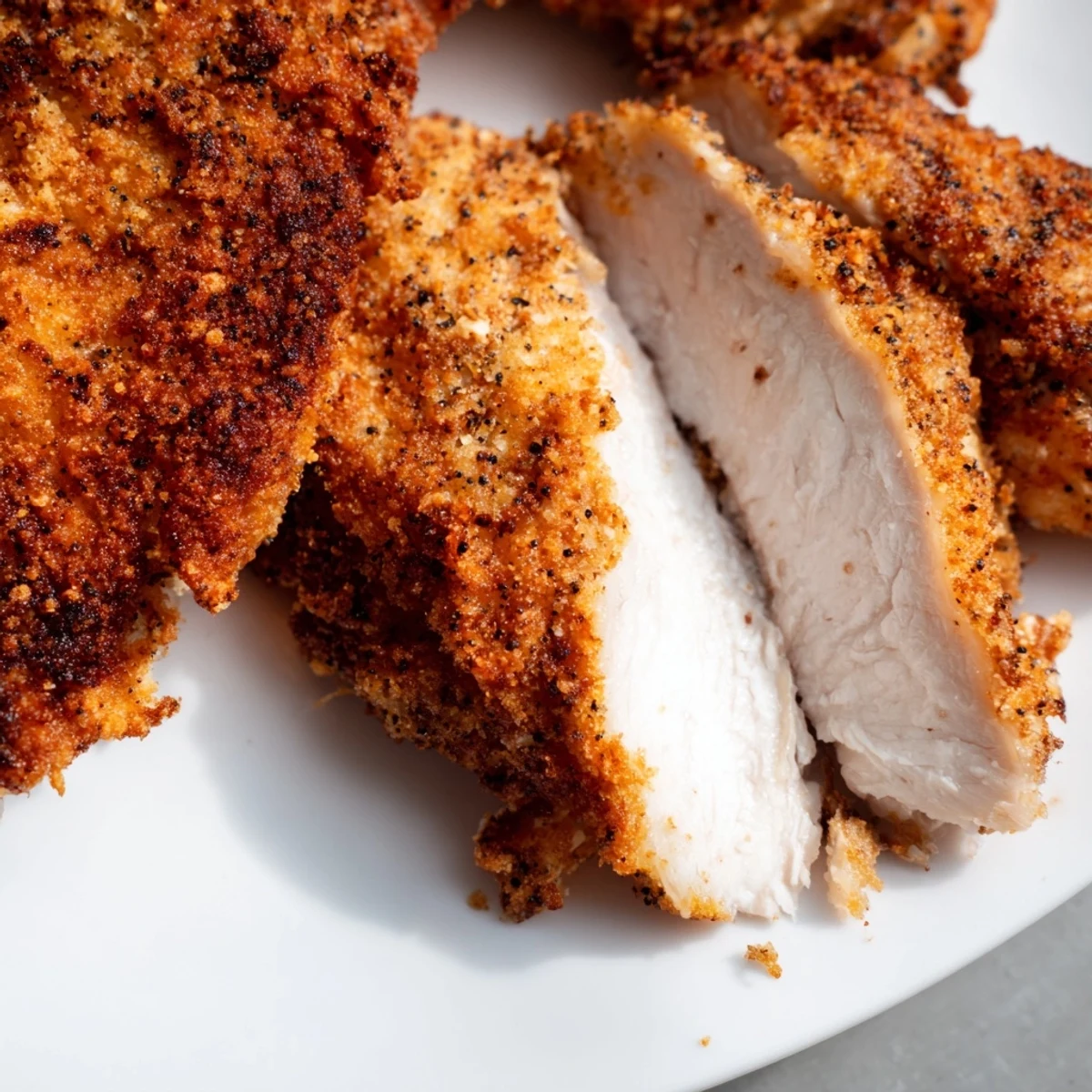
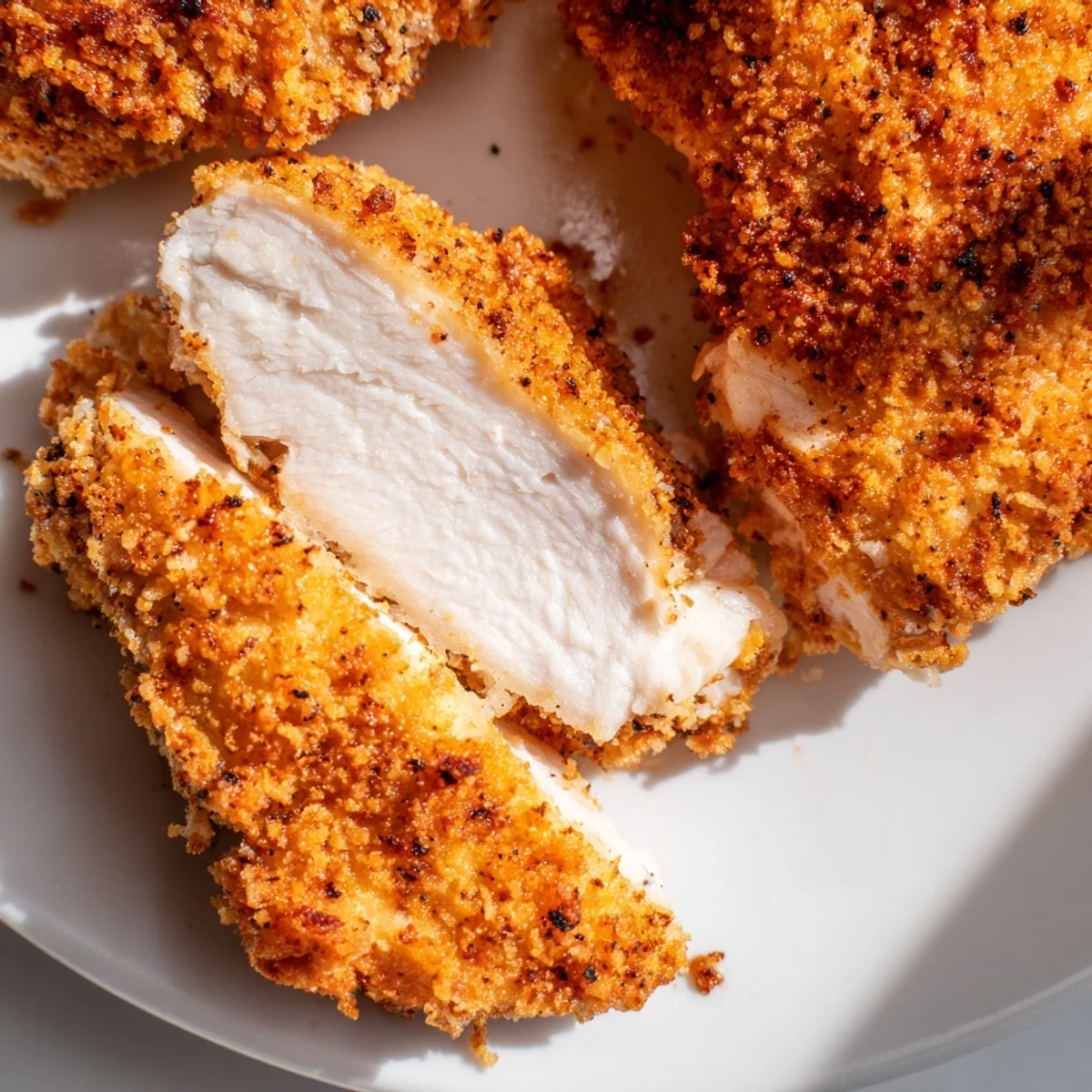
 Transform simple chicken breasts into a crispy, golden delight with this straightforward frying method. The buttermilk marinade keeps the meat incredibly tender while the seasoned flour and breadcrumb coating creates that irresistible crunch everyone loves.
Perfect for weeknight dinners or casual gatherings, these fried chicken breasts come together in just 30 minutes. The smoky paprika and optional cayenne add depth of flavor, while the shallow frying technique makes them easy to master in any kitchen.
The sound of oil popping in a cast iron skillet is one of those things that makes everyone wander into the kitchen to see what is happening. My sister used to stand at the counter sneaking pieces of fried chicken before they even made it to a plate, burning her fingers every single time and never learning her lesson. This recipe came together on a rainy Sunday when I had nothing but chicken breasts and a craving for something with real crunch. It has been on repeat ever since.
I made this for a neighborhood potluck once and brought an empty plate home within twenty minutes. My neighbor Carlos cornered me by the dessert table and demanded the recipe, and now we have a running competition over who can make the crunchier coating.
Ingredients
- 4 boneless skinless chicken breasts about 150 g each: Pounding them to an even thickness is the single most important thing you can do for even cooking.
- 120 ml buttermilk: This is the secret weapon that tenderizes the meat and helps the coating stick beautifully.
- 1 large egg: Binds the marinade together and adds richness to the coating base.
- 1 tsp salt: Do not skip this in the marinade because it seasons the chicken from the inside out.
- 1/2 tsp black pepper: Freshly cracked makes a noticeable difference in the final flavor.
- 1 tsp garlic powder: Adds a savory depth without burning like fresh garlic would in the fry.
- 1 tsp paprika: Gives the coating a warm color and a subtle sweetness.
- 120 g all purpose flour: Creates the structural base for that shatteringly crisp crust.
- 100 g breadcrumbs panko or regular: Panko gives you a lighter crunch while regular breadcrumbs create a denser more traditional coating.
- 1/2 tsp salt for coating: Seasoning the flour mixture separately ensures every layer is flavorful.
- 1/2 tsp smoked paprika: This adds a subtle campfire note that makes people ask what your secret is.
- 1/2 tsp cayenne pepper optional: Just enough warmth without making it spicy, though you can double it if you like heat.
- 500 ml vegetable oil: A neutral oil with a high smoke point is essential for clean frying.
Instructions
- Flatten the chicken:
- Place each breast between two sheets of plastic wrap and gently pound to about 1.5 cm thickness. You want them even, not shredded, so use steady gentle taps rather than aggressive swings.
- Make the marinade:
- Whisk the buttermilk, egg, salt, pepper, garlic powder, and paprika in a large bowl until smooth. Submerge the chicken breasts completely, cover tightly, and let them soak in the refrigerator for at least 30 minutes or up to 4 hours if you have the time.
- Set up the breading station:
- In a shallow dish, mix together the flour, breadcrumbs, salt, smoked paprika, and cayenne pepper until evenly combined. Have a second plate ready for the chicken as it comes out of the marinade.
- Coat each piece:
- Shake off excess marinade from a breast, then press it firmly into the flour mixture on all sides. Really press the coating in with your palms so it adheres and creates those textured nooks that get extra crispy.
- Heat the oil:
- Pour the oil into a large heavy skillet and heat over medium high until it shimmers and reaches about 175 degrees Celsius. You can test it by dropping in a small pinch of breadcrumbs and if they sizzle immediately you are ready.
- Fry to golden perfection:
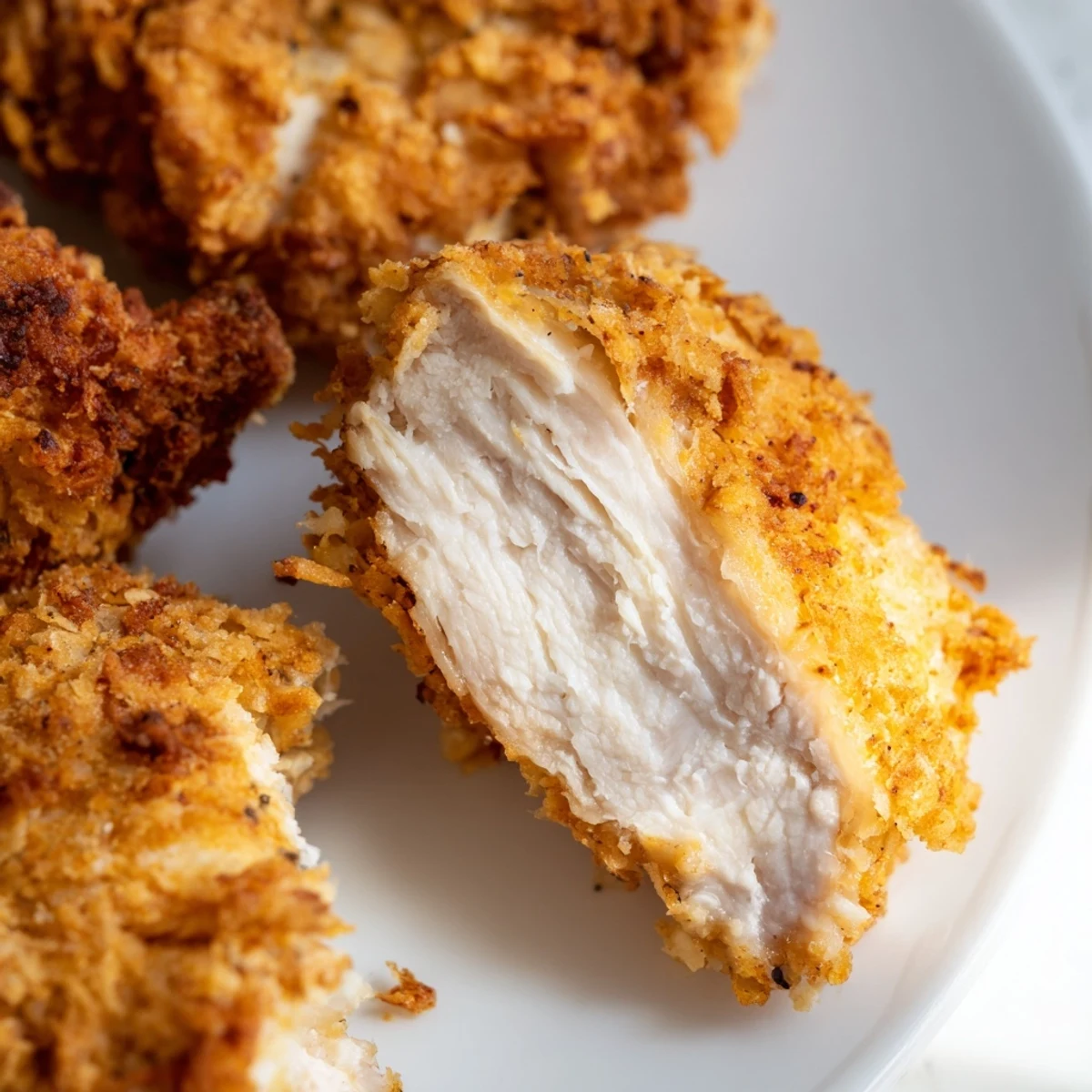
- Carefully lower each coated breast into the hot oil and fry for 5 to 7 minutes per side. The crust should be deeply golden and the internal temperature should hit 75 degrees Celsius at its thickest point.
- Rest and serve:
- Transfer the chicken to a paper towel lined plate and let it rest for 2 to 3 minutes. This brief pause lets the juices redistribute so they do not run out when you cut into it.
 Bookmark
 There is something almost meditative about standing at the stove watching chicken turn that perfect shade of amber. On quiet evenings it has become my go to way to decompress, the sizzle drowning out whatever stress the day handed me.
Pairing Ideas That Actually Work
Mashed potatoes and gravy are the obvious choice and for good reason, but I have also served this over a bright lemony slaw when I want something lighter. A cold beer or sparkling lemonade cuts through the richness perfectly. In summer, sliced tomato with salt and basil beside it makes the whole plate sing.
Making It Your Own
Stirring grated Parmesan into the breadcrumb mixture adds a nutty savory note that clings to the crust in the best way. A splash of hot sauce in the buttermilk marinade gives the chicken a slow background heat that builds with each bite. You can also swap smoked paprika for zaatar or curry powder when you are feeling adventurous.
Storage and Reheating Without Losing the Crunch
Leftovers keep well in the refrigerator for up to three days if you store them in an airtight container. The oven or an air fryer is your best friend for bringing back the crunch because microwaving will make the coating soft and sad.
- Reheat at 190 degrees Celsius for about 10 minutes until the crust crisps back up.
- Freeze cooled pieces on a baking sheet first, then transfer to a freezer bag for up to two months.
- Always let frozen pieces thaw in the refrigerator overnight before reheating for the best texture.
 Bookmark
 Fried chicken is never just dinner in my house. It is an event, an excuse to gather, and frankly the fastest way to make a Tuesday feel like a celebration.
Recipe FAQs
- → How do I keep fried chicken breasts juicy?
-
The buttermilk marinade is key—it tenderizes the meat and adds moisture. Avoid overcooking by using a meat thermometer to check for 75°C internal temperature, and let the chicken rest for a few minutes after frying to redistribute juices.
- → Can I use chicken thighs instead of breasts?
-
Absolutely! Boneless skinless chicken thighs work wonderfully and tend to stay even juicier. Adjust cooking time slightly—thighs may need an extra minute or two per side depending on thickness.
- → What's the difference between shallow and deep frying?
-
Shallow frying uses less oil (about 1-2 cm deep) and requires turning the chicken halfway through. Deep frying submerges the meat completely. Both methods work well here—shallow frying is more accessible for home cooks while deep frying gives more even browning.
- → Can I make this ahead of time?
-
You can marinate the chicken up to 4 hours in advance. For best results, fry just before serving to maintain crispiness. If you need to reheat, place in a 200°C oven for 10 minutes rather than microwaving to preserve the coating.
- → How can I tell when the oil is ready?
-
The oil should shimmer and reach about 175°C. If you don't have a thermometer, drop a small breadcrumb into the oil—it should sizzle immediately and float to the surface. Oil that's too cool makes soggy coating, while oil that's too hot burns the exterior before the inside cooks.
- → What can I serve with fried chicken breasts?
-
Classic sides like mashed potatoes with gravy, coleslaw, corn on the cob, or a crisp green salad complement perfectly. For a lighter meal, try with roasted vegetables or over a bed of greens with your favorite dressing.
