
 Bookmark
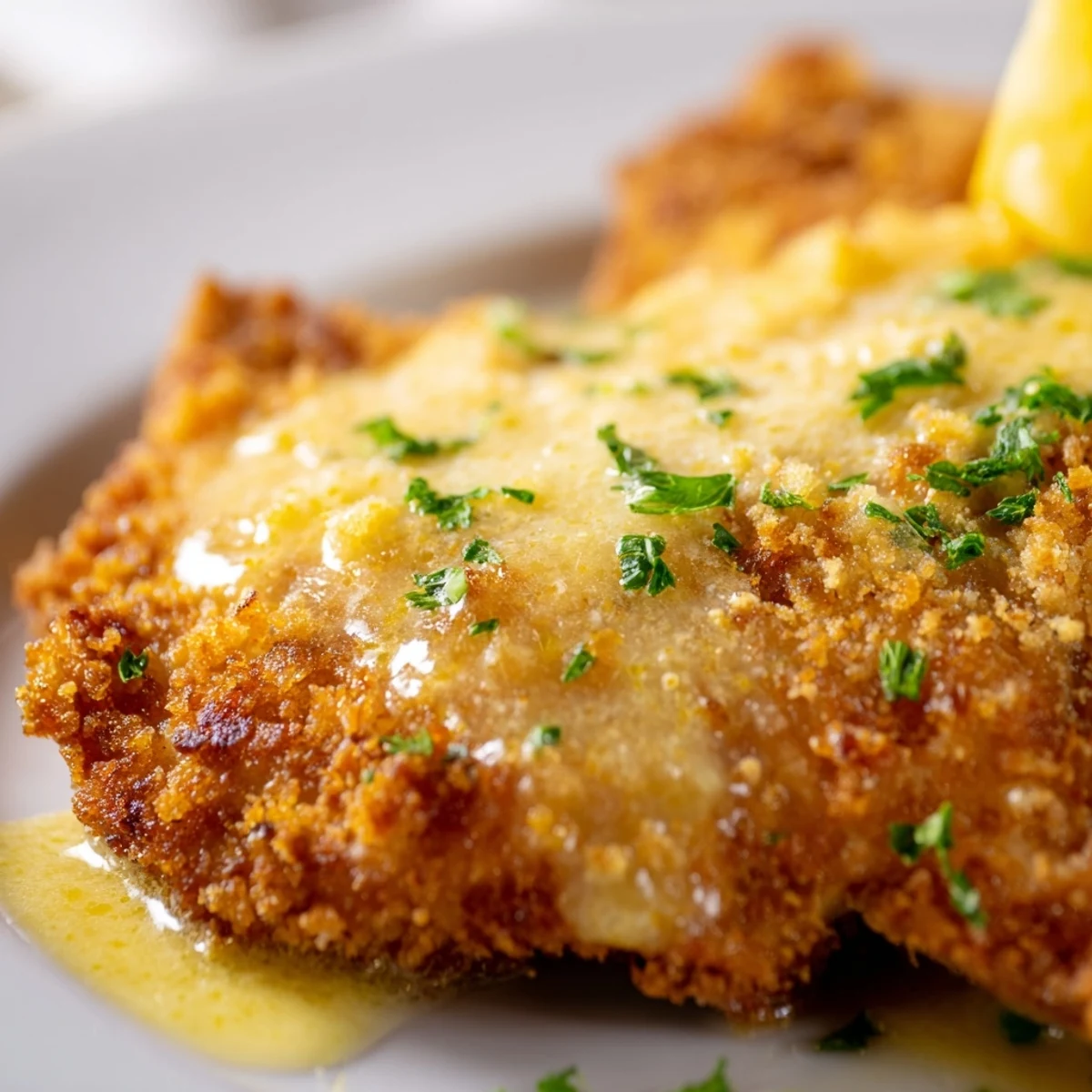
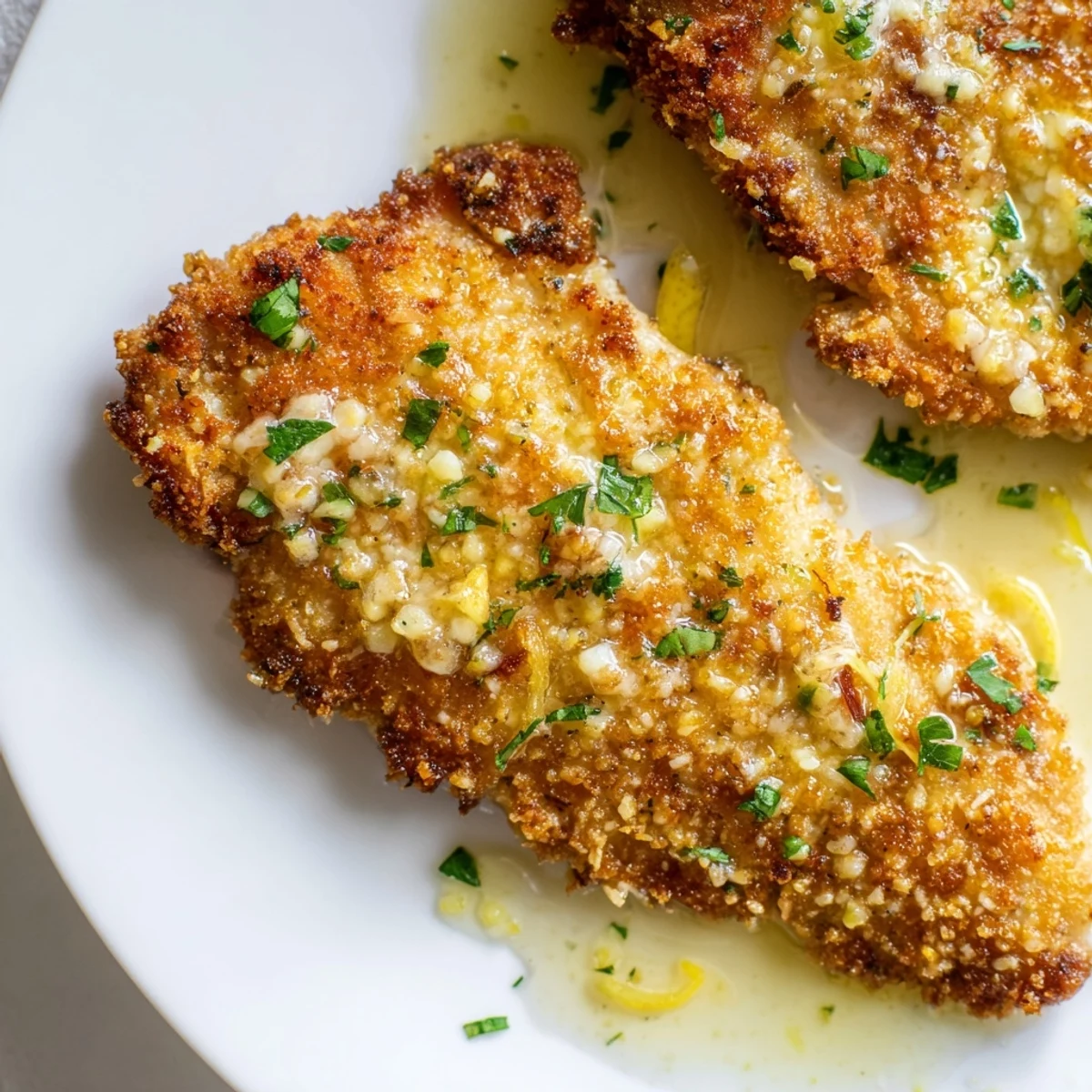
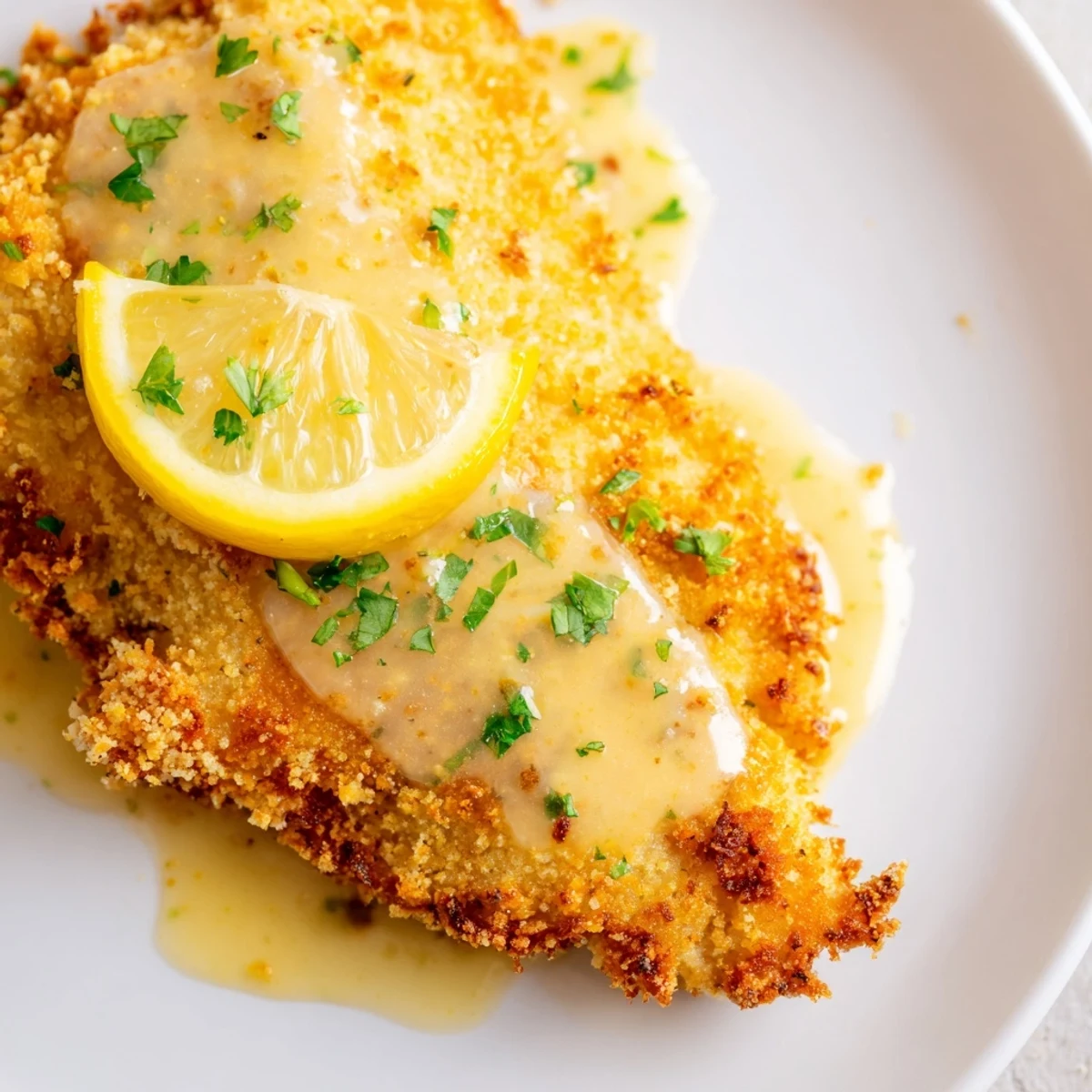
 This Italian-American favorite features golden, crispy chicken cutlets pounded thin and coated in a savory blend of Romano cheese, Italian breadcrumbs, and fresh lemon zest. Pan-fried to perfection in olive oil and butter, each piece is finished with a quick pan sauce made from garlic, chicken broth, and fresh lemon juice that captures all the flavorful browned bits from the skillet.
The preparation follows a classic dredging technique—flour, egg, then the cheese-breadcrumb mixture—ensuring an irresistibly crunchy exterior that gives way to tender, juicy meat inside. Ready in just 40 minutes with simple pantry ingredients, this dish delivers restaurant-quality results for an elegant weeknight dinner or special occasion meal.
The sizzle of chicken hitting a hot skillet on a Sunday afternoon is one of those sounds that instantly makes a kitchen feel alive, and this Lemon Chicken Romano has been responsible for that sound in my house more times than I can count. My neighbor Linda once knocked on my door asking what smelled so incredible, and she ended up staying for dinner with a glass of Pinot Grigio in hand. The combination of golden breadcrumbs, sharp Romano, and bright lemon creates something that feels fancy enough for guests but honest enough for a random Tuesday. It is the kind of dish that turns an ordinary evening into a small celebration.
One rainy evening my daughter wandered into the kitchen just as I was zesting a lemon over the breadcrumb mixture, and she grabbed a fork to help me press the coating onto the chicken. We stood side by side at the counter, her small hands patting breadcrumbs into place while I told her about the Italian deli my grandmother used to visit every Saturday morning. She still asks for this dish on rainy days, and I never say no.
Ingredients
- 4 boneless, skinless chicken breasts: Pound them evenly so they cook uniformly and stay juicy inside that gorgeous crust.
- 1 tablespoon lemon juice (for marinade): A quick splash brightens the meat before it even hits the pan.
- 1 teaspoon sea salt and 1/2 teaspoon freshly ground black pepper: Season generously on both sides because the breading will mellow things out.
- 1 cup all-purpose flour: The first stop in the breading station creates a dry surface for the egg to cling to.
- 2 large eggs whisked with 2 tablespoons water: The water thins the egg just enough for an even, light coating.
- 1 cup grated Romano cheese: This is the star of the breading, bringing a sharp, nutty depth that Parmesan alone cannot match.
- 1 cup Italian-style breadcrumbs: They provide the crunch factor, and the Italian seasoning adds a subtle herb note.
- Zest of 1 lemon: Mixed into the breadcrumbs, it perfumes the entire crust with floral citrus oil.
- 3 tablespoons olive oil and 2 tablespoons unsalted butter: The oil handles high heat while the butter adds richness and color to the crust.
- 3 cloves garlic, minced: A quick sauté in the pan drippings builds the foundation for a silky sauce.
- 3/4 cup chicken broth: Deglazes the pan and transforms those stuck bits into liquid gold.
- 2 tablespoons fresh lemon juice (for sauce): Added at the end for a bright, tangy finish that cuts through the richness.
- 2 tablespoons chopped fresh parsley (optional): A sprinkle of green at the end makes everything look and taste fresh.
Instructions
- Pound and Season the Chicken:
- Slide each breast between two sheets of plastic wrap and give it gentle, even taps with a meat mallet until it reaches half an inch thick. Season both sides with the lemon juice, salt, and pepper, then let them sit while you set up the breading station.
- Set Up the Breading Station:
- Line up three shallow bowls: flour in the first, eggs whisked with water in the second, and the Romano, breadcrumbs, and lemon zest combined in the third. Keep one hand dry for the flour and one wet for the egg to avoid turning yourself into a breaded piece of chicken.
- Coat Each Cutlet:
- Dredge every breast through the flour first, shaking off the excess, then dunk it in the egg, and finally press it firmly into the Romano mixture on both sides. Really press the coating in with your palms so it sticks and creates a thick, even crust.
- Pan Fry Until Golden:
- Heat the olive oil and one tablespoon of butter in a large skillet over medium heat until the butter foams and subsides. Lay the chicken in carefully, working in batches if needed, and cook four to five minutes per side until the crust is deeply golden and the meat is cooked through, then transfer to a warm plate.
- Build the Pan Sauce:
- Toss the remaining tablespoon of butter and the garlic into the same skillet and stir for about thirty seconds until you can smell it. Pour in the broth and lemon juice, scraping up every browned bit from the bottom, and let it bubble for two to three minutes until it thickens slightly.
- Bring It All Together:
- Nestle the chicken back into the skillet and spoon that gorgeous sauce over each piece so it soaks into the crust just slightly. Hit it with fresh parsley if you are using it, and serve right away while everything is hot and shimmering.
 Bookmark
 There was a night when I made this for a friend who had just gone through a rough breakup, and she sat at my kitchen counter eating in silence for a full minute before looking up and saying it was exactly what she needed. Food does that sometimes, speaking when words fall short.
Getting the Crust Right Every Time
The difference between a good crust and a great one comes down to patience and pressure. After you press the Romano mixture onto the chicken, let the cutlets rest on a sheet pan for five minutes before frying so the coating has time to adhere. That short rest is the reason your breading stays on instead of ending up floating in the oil.
Choosing the Right Cheese
Romano has a sharper, saltier personality than Parmesan, and that assertiveness is what makes this dish memorable. If you only have Parmesan on hand, it will still be delicious, but I urge you to seek out genuine Romano at least once. The flavor difference is striking and worth the extra trip to the store.
Wine and Side Pairings That Work
A crisp white wine cuts through the richness of the cheese crust and complements the lemon beautifully. This dish loves simple sides that let it stay the center of attention.
- Pinot Grigio or Sauvignon Blanc are classic matches that refresh your palate between bites.
- A tangle of spaghetti with olive oil and a little garlic makes a perfect bed for the chicken.
- A simple arugula salad with lemon vinaigrette balances the richness better than anything heavier.
 Bookmark
 This is the kind of recipe that earns a permanent spot in your rotation, the one people request by name when they know they are coming over. Make it once and you will see exactly what I mean.
Recipe FAQs
- → What makes Romano cheese different from Parmesan?
-
Romano cheese has a sharper, saltier flavor profile compared to the nutty, milder taste of Parmesan. It's made from sheep's milk (Pecorino Romano) or cow's milk, and its intense flavor stands up beautifully to the bright citrus notes in this dish while creating a deliciously crispy crust.
- → Can I prepare the chicken ahead of time?
-
You can pound and season the chicken up to 24 hours in advance, storing it covered in the refrigerator. The dredging steps are best done just before cooking to maintain the optimal texture of the coating. If you need to prep further ahead, you can set up your three breading stations and keep them covered at room temperature for up to 2 hours before cooking.
- → What sides pair best with this dish?
-
This chicken complements lighter sides that won't compete with the rich flavors. Try angel hair pasta aglio e olio, arugula salad with fresh lemon vinaigrette, roasted asparagus, or sautéed broccolini. For a heartier meal, creamy risotto or buttery mashed potatoes work wonderfully to soak up the extra pan sauce.
- → How do I know when the chicken is fully cooked?
-
The chicken is done when it reaches an internal temperature of 165°F at the thickest part. Visual cues include golden-brown breading on both sides and juices that run clear when the meat is pierced. Since the cutlets are pounded thin, they typically cook through in 8-10 minutes total—avoid overcooking or the meat will become dry.
- → Can I bake this instead of pan-frying?
-
Yes, for a lighter version you can bake at 400°F on a greased baking sheet for 20-25 minutes, flipping halfway through. Spray the tops lightly with olive oil cooking spray before baking to help achieve a golden crust. The texture will be less crispy than pan-fried, but the flavors remain equally delicious.
- → What can I substitute for the all-purpose flour?
-
For a gluten-free version, use a 1:1 gluten-free flour blend or almond flour. Keep in mind that alternative flours may brown differently and produce a slightly different texture. You can also use cornstarch for a lighter, crunchier coating, though it won't provide the same classic breading consistency.
