
 Bookmark
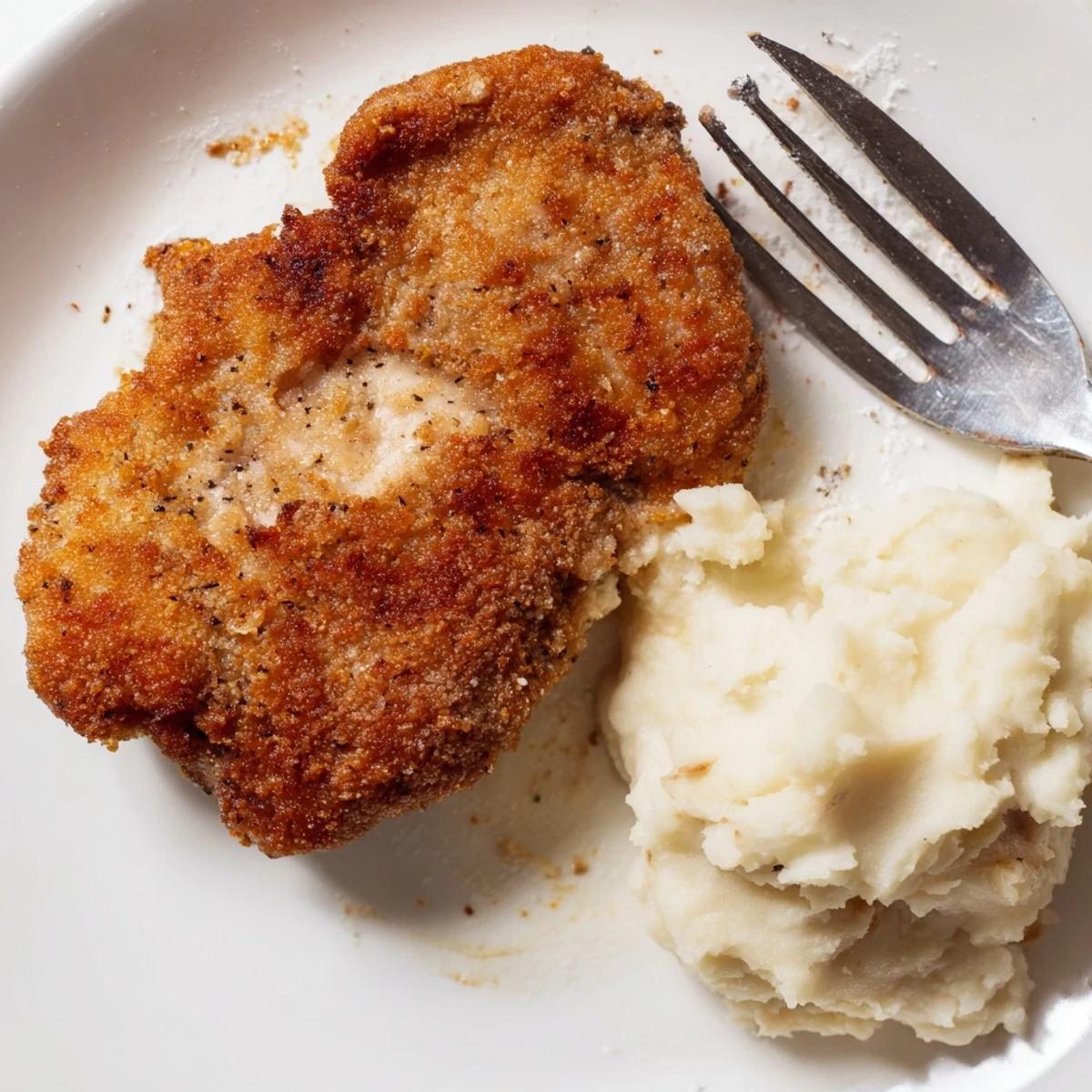
 Marinate boneless chicken breasts in buttermilk with salt and pepper, then pound to an even 1/2-inch thickness. Drain, press a seasoned flour-cornstarch coating onto each piece for maximum adhesion. Heat oil to 350°F (175°C) and fry in batches without crowding, 6–7 minutes per side until internal temp reaches 165°F (74°C). Let rest briefly before serving with sides; use a thermometer for accuracy.
My grandmother's kitchen smelled like two things: Sunday morning coffee and the sharp, tangy scent of buttermilk soaking chicken. She never measured anything, just dumped and stirred with this confidence I envied. On rainy Saturday afternoons she would let me stand on a stool and watch the oil shimmer, teaching me to listen for the right sizzle before the first piece went in. That sound became my personal signal that something good was about to happen.
College was when I truly craved this dish, miles from home and surviving on dining hall mystery meat. I called my mom one Thursday evening, frustrated and homesick, and she walked me through it over the phone with nothing but a borrowed skillet and a bag of flour. The chicken came out lopsided and slightly overdone but I ate every bite standing at the counter, grinning.
Ingredients
- Chicken Breasts: Four boneless, skinless pieces give you reliable portions that cook evenly once pounded flat.
- Buttermilk: One cup works as both a tenderizer and flavor booster, breaking down proteins while adding richness.
- All-Purpose Flour: One cup forms the bulk of your coating, creating structure around each piece.
- Cornstarch: Half a cup is the secret weapon for that extra crunchy, almost glassy exterior.
- Paprika and Garlic Powder: One teaspoon each brings warmth and savory depth without overpowering the chicken.
- Cayenne Pepper: Half a teaspoon is optional but adds a gentle heat that balances the richness of the fried crust.
- Vegetable Oil: About two cups for frying, enough to reach halfway up the chicken in your pan for even browning.
Instructions
- Flatten the Chicken:
- Place each breast between two sheets of plastic wrap and pound gently to about half an inch thick. You want even thickness so nothing dries out while waiting for the thick parts to cook through.
- Soak in Buttermilk:
- Stir together buttermilk, salt, and pepper in a bowl, then submerge the chicken completely. Let it rest at least thirty minutes or stash it in the fridge up to four hours for noticeably more tender results.
- Build the Coating:
- Whisk flour, cornstarch, paprika, garlic powder, cayenne if you are using it, salt, and pepper in a wide shallow bowl. Run your fingers through it to break up any lumps before you start dredging.
- Dredge with Purpose:
- Pull chicken from the buttermilk, let the excess drip off, then press each piece firmly into the flour mix on both sides. Really press it in with your palms so the coating clings and creates those beautiful craggy edges.
- Heat the Oil:
- Pour oil into a large skillet or deep pan and bring it to 350 degrees Fahrenheit over medium heat. Watch for tiny ripples across the surface and a faint shimmer before you start frying.
- Fry in Batches:
- Carefully lower chicken into the hot oil without crowding the pan, cooking six to seven minutes per side until deeply golden. The internal temperature should hit 165 degrees Fahrenheit when you check the thickest part.
- Rest and Serve:
- Transfer each piece to a paper towel lined plate and let it rest two to three minutes. This brief pause lets the juices redistribute so every bite stays moist.
 Bookmark
 Serving this to my partner on our third date taught me that food can say what words cannot. She closed her eyes after the first bite and I knew everything was going to be fine.
Getting the Crust Right Every Time
The cornstarch ratio is everything here. I tested batches with all flour and they were good, but adding that half cup of cornstarch transformed the texture into something that shatters satisfyingly when you bite through. Keep your coating dry and your hands one wet one dry if possible to avoid clumpy fingers.
Marinade Timing That Matters
Thirty minutes will get you decent flavor but overnight changes the game entirely. The buttermilk works slowly, breaking down muscle fibers and infusing every layer with gentle acidity. I usually prep the chicken before bed and let the morning handle the rest.
Serving and Pairing Ideas
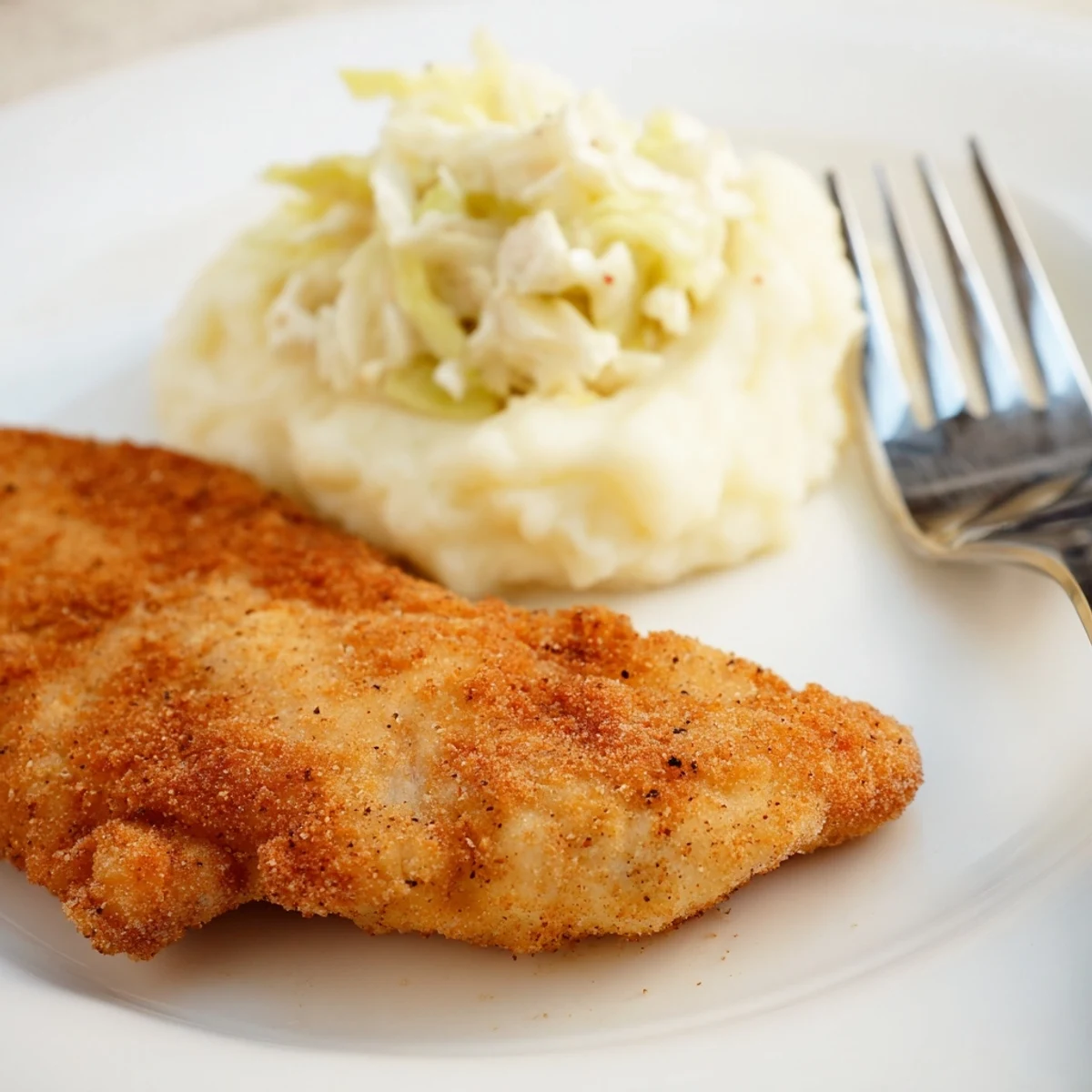
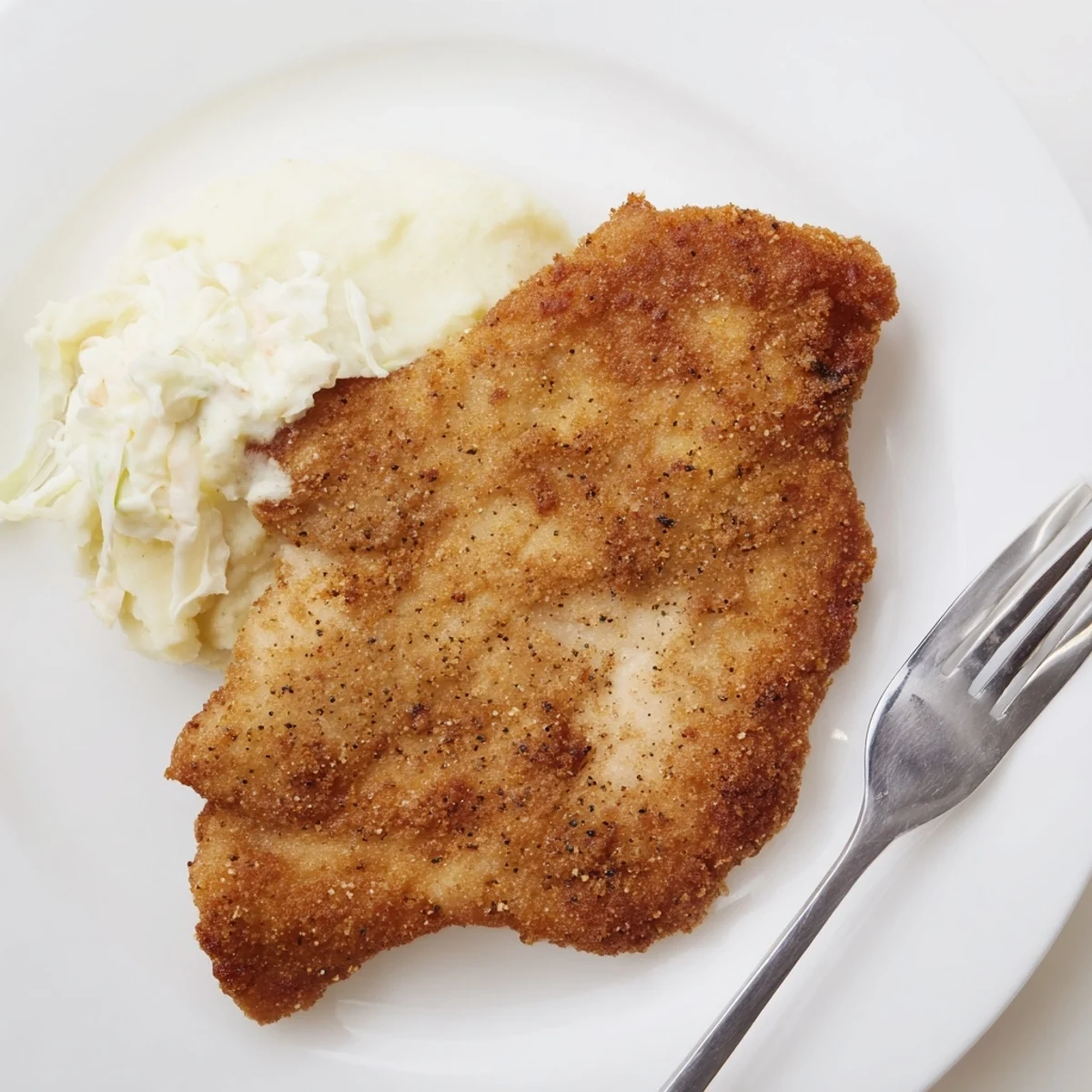
This chicken plays well with almost any side you can imagine, from creamy mashed potatoes to a bright crunchy slaw. Sandwich it between a toasted brioche bun with pickles and a smear of honey mustard for something truly special.
- A drizzle of hot honey over the finished chicken adds sweet heat that balances the savory crust beautifully.
- Leftovers make an incredible cold sandwich the next day with mayo and lettuce.
- Always let the oil come back to temperature between batches for consistent results.
 Bookmark
 Fried chicken is never just dinner in my house. It is a reason to gather, slow down, and eat with our hands. That crunch is the sound of home.
Recipe FAQs
- → How long should I marinate the chicken?
-
At least 30 minutes for basic tenderness and flavor penetration; 2–4 hours gives better juiciness. For the most tender result, marinate overnight in the refrigerator.
- → Why pound the breasts before cooking?
-
Pounding to an even 1/2-inch thickness ensures uniform cooking so the exterior browns without the center drying out, and it helps the buttermilk and seasonings work through the meat.
- → What role does cornstarch play in the coating?
-
Cornstarch lightens the flour blend and promotes extra crispness and fast browning, giving a shatteringly crisp crust while keeping the interior juicy.
- → What oil temperature and cooking time are best?
-
Heat oil to around 350°F (175°C). Fry in batches about 6–7 minutes per side for average-thickness breasts, or until the internal temperature reaches 165°F (74°C).
- → Can I make this without gluten?
-
Yes. Swap the all-purpose flour for a gluten-free flour blend and keep the cornstarch; press the coating firmly and fry as usual. Texture may vary slightly depending on the blend.
- → How should leftovers be stored and reheated?
-
Refrigerate in an airtight container for up to 3–4 days. Reheat in a 375°F oven or an air fryer for a few minutes to restore crispness; avoid microwaving if you want to keep the crust crunchy.
