
 Bookmark
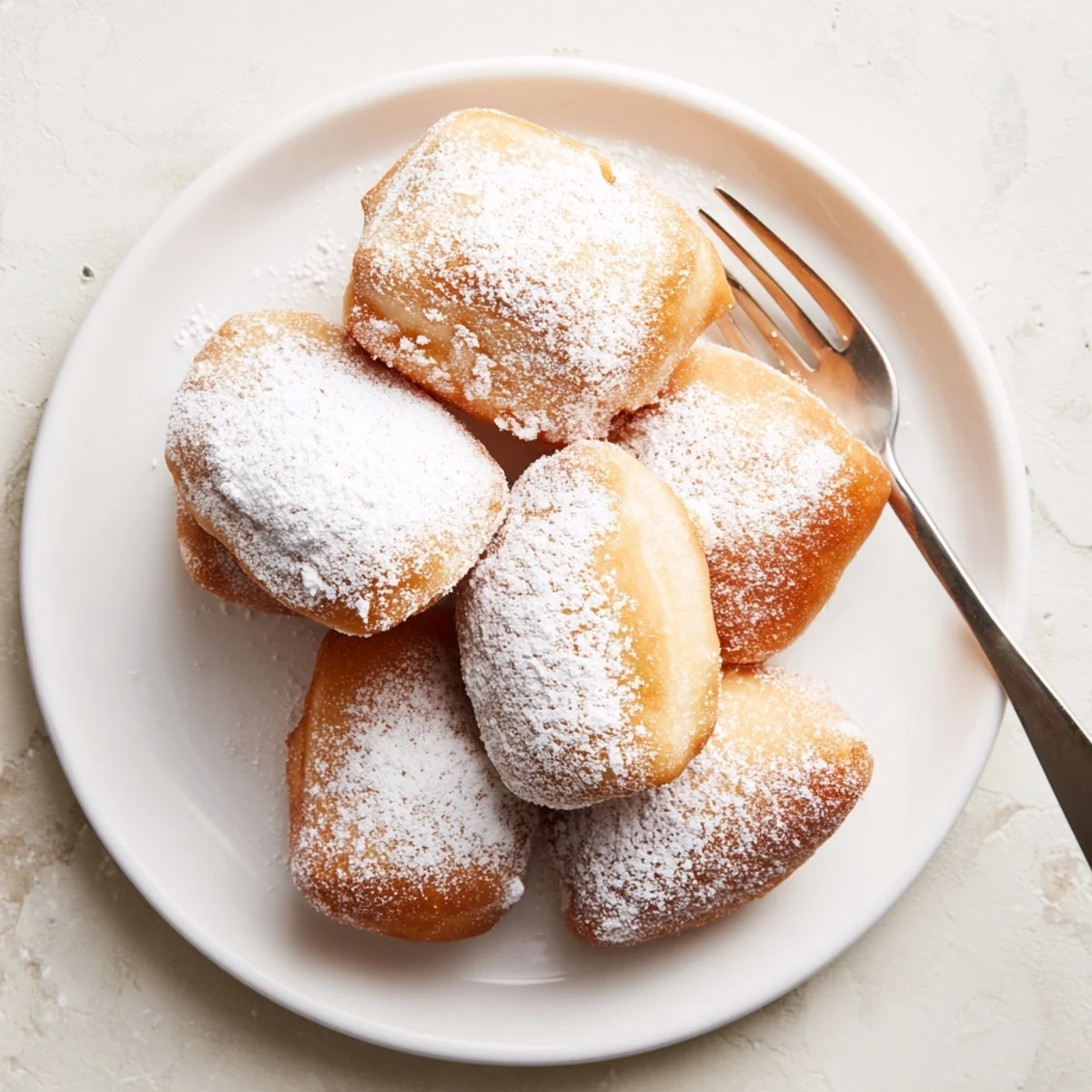
 Create authentic vanilla French beignets with this straightforward method. The dough requires yeast activation, proper rising time, and careful frying to achieve that signature pillowy texture. Warm milk, eggs, and vanilla create a rich flavor base, while the double-rise ensures lightness. Fry at 350°F until golden brown, then generously dust with powdered sugar while warm for the perfect finish.
The first time I bit into a warm beignet in New Orleans, powdered sugar somehow managed to coat everything from my nose to my sunglasses. I stood there on a busy street corner, laughing as strangers gave me sympathetic nods, completely unbothered by the mess because that first pillowy bite was absolute heaven. Years later, recreating that magic in my own kitchen became a weekend ritual that fills the whole house with the most incredible frying perfume.
Last winter, during a particularly gray Sunday, I decided to make these for my family who had never tried authentic beignets before. My kitchen was cozy and warm, the rain tapped against the windows, and when that first batch hit the hot oil, everyone migrated from the living room just to watch them puff up like magic. We stood around the counter, fingers sticky with sugar, dunking warm beignets into jam and arguing over who got the last one.
Ingredients
- All purpose flour: Forms the structure of these pillowy squares and gives them that classic chewy tender texture
- Active dry yeast: Essential for creating those signature air pockets that make beignets so light and airy
- Whole milk: Adds richness and helps create a tender crumb that water alone cannot achieve
- Unsalted butter: Contributes flavor and keeps the dough soft and pliable for easy rolling
- Pure vanilla extract: Infuses the entire dough with subtle warmth that elevates these beyond ordinary doughnuts
- Vegetable oil: Has a high smoke point perfect for achieving that golden crisp exterior
- Powdered sugar: The finishing touch that creates that iconic snowy coating everyone loves
Instructions
- Wake up the yeast:
- Combine warm water and yeast in a small bowl, letting it stand for about 5 minutes until it becomes foamy and alive.
- Build the base:
- Whisk flour, sugar, and salt together in your stand mixer bowl, creating a well in the center for the wet ingredients.
- Bring it together:
- Add the yeast mixture, lukewarm milk, room temperature eggs, melted cooled butter, and vanilla extract, then mix on medium speed with the dough hook for 5 to 7 minutes until smooth and slightly sticky.
- Let it rise:
- Transfer the dough to a lightly oiled bowl, cover with plastic wrap, and let it rest in a warm spot for 1 to 1.5 hours until doubled in size.
- Shape the beignets:
- Punch down the risen dough, turn it onto a floured surface, and roll to about half inch thickness before cutting into 2 inch squares.
- Second rise:
- Place the squares on a parchment lined baking sheet, cover lightly, and let them rise another 30 minutes until puffy.
- Heat the oil:
- In a large heavy bottomed pot, bring vegetable oil to 350 degrees, using a thermometer to maintain the right temperature.
- Fry to golden:
- Cook beignets in batches for 1 to 2 minutes per side until golden brown and beautifully puffed, being careful not to overcrowd the pot.
- Sugar them up:
- Remove with a slotted spoon, drain on paper towels, and dust generously with powdered sugar while still warm.
 Bookmark
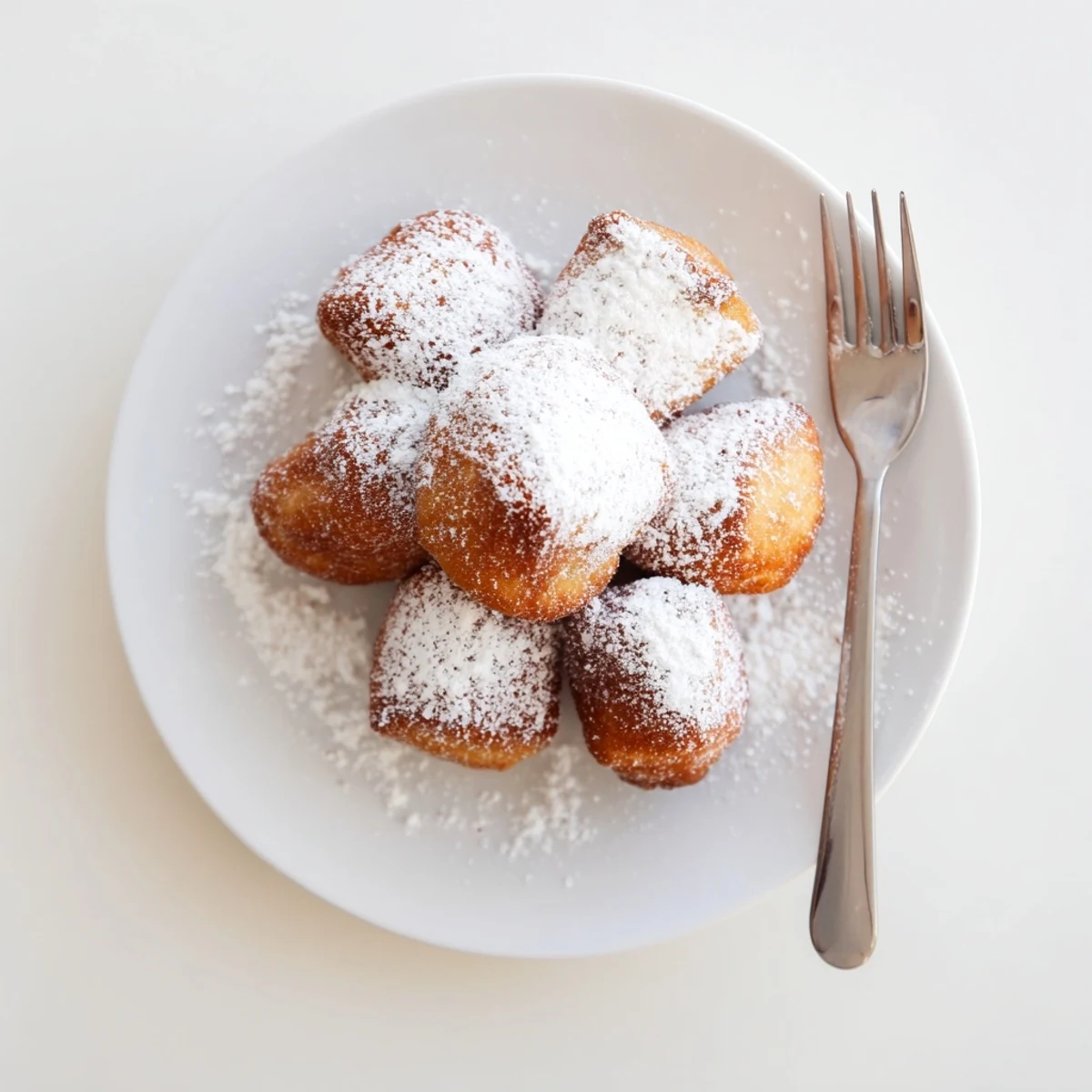
 What started as a special occasion treat has become my go to comfort food, especially on rainy weekend mornings. Something about the process, the smell, and that first warm bite dusted in sugar feels like giving yourself a hug.
Getting The Rise Right
Yeasted dough can be finicky, but the key is finding that warm cozy spot in your kitchen for the first rise. I have found the top of my refrigerator or inside a slightly warmed oven works perfectly for creating that ideal environment.
Frying Like A Pro
Investing in a kitchen thermometer changed my beignet game completely. Visual cues can be deceiving, and knowing exactly when your oil hits that sweet spot means consistent results every single time.
Serving Suggestions
While these are perfect on their own, having little bowls of warm chocolate sauce, local honey, or fruit preserves makes them feel extra special for guests. The contrast between hot fried dough and cool dips creates such a lovely experience.
- Set up a dipping station with different sauces for fun variety
- Keep the sugar nearby for second dustings because you can never have too much
- Eat them immediately while still warm for the best texture
 Bookmark
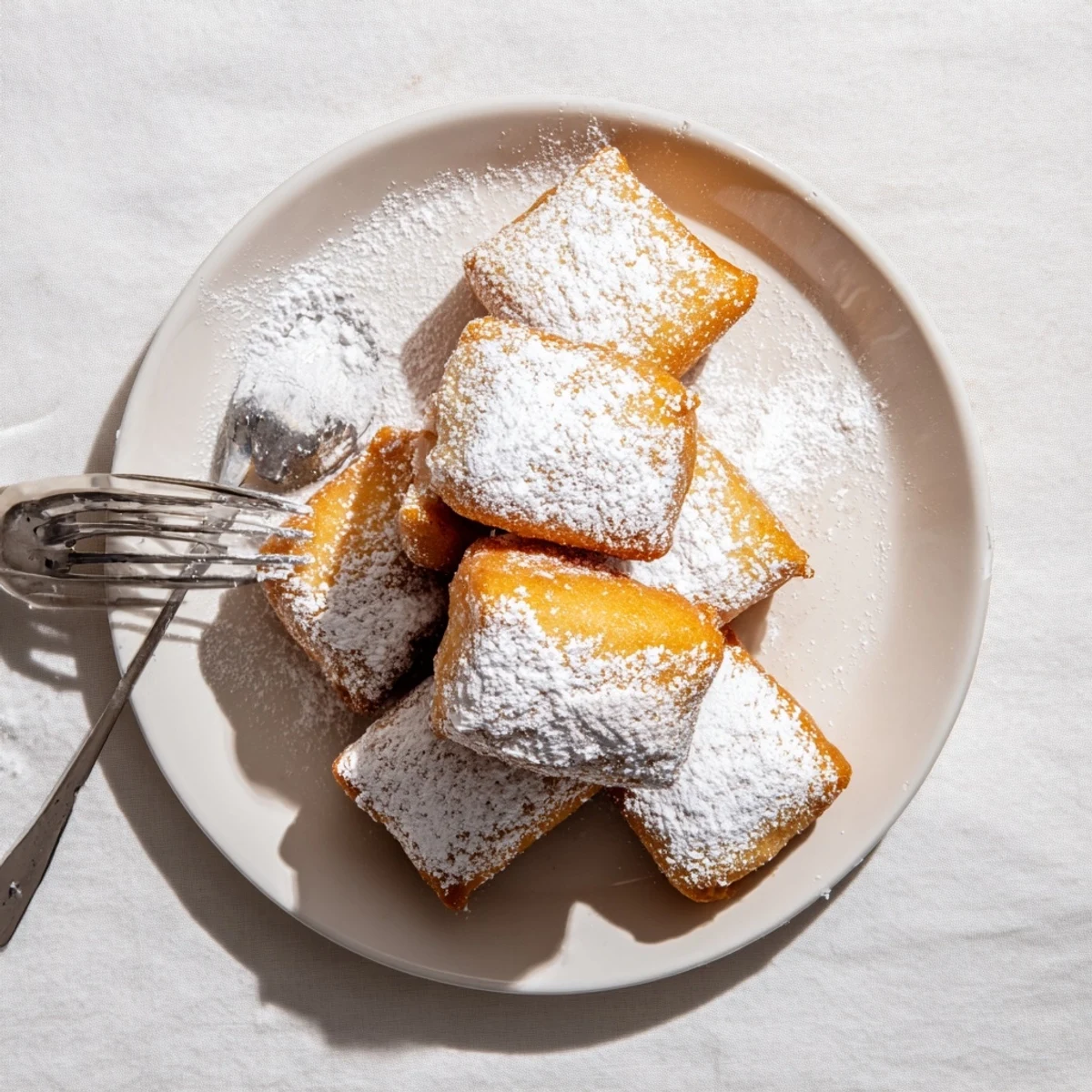
 There is something wonderfully communal about standing around a bowl of fresh warm beignets, fingers dusted in sugar, everyone reaching for the next one.
Recipe FAQs
- → What makes beignets different from regular donuts?
-
Beignets are square-shaped French pastries made from a yeast-risen dough that's deep-fried until golden and puffed. Unlike American donuts, they're traditionally square, have a lighter airier texture, and are always generously coated with powdered sugar rather than glazed or frosted.
- → Why do my beignets come out dense instead of fluffy?
-
Dense beignets usually result from insufficient rising time or dough that wasn't allowed to double in size properly. Ensure your yeast is fresh and active, let the dough rise in a warm place for the full recommended time, and avoid overworking the dough which can develop too much gluten.
- → Can I make beignet dough ahead of time?
-
Yes, you can prepare the dough and refrigerate it after the first rise for up to 24 hours. Let it come to room temperature before rolling and cutting. You can also fry the beignets ahead and reheat them in a 350°F oven for 5 minutes, though they're always best served fresh and warm.
- → What's the best oil temperature for frying beignets?
-
Maintain your oil at 350°F (175°C) for optimal results. Oil that's too cool results in greasy, soggy beignets, while oil that's too hot burns the outside before the inside cooks through. Use a kitchen thermometer and fry in small batches to maintain consistent temperature.
- → How should I store leftover beignets?
-
Beignets are best enjoyed fresh the same day, but leftovers can be stored in an airtight container at room temperature for up to 2 days. To refresh, place them in a 350°F oven for 5-7 minutes until warm and slightly crisp, then re-dust with powdered sugar before serving.
- → Can I freeze beignet dough?
-
Yes, after the first rise, you can freeze the dough. Wrap it tightly in plastic and freeze for up to 3 months. Thaw overnight in the refrigerator, then let it come to room temperature and complete the second rise before frying. This allows you to have fresh beignets anytime.
