
 Bookmark
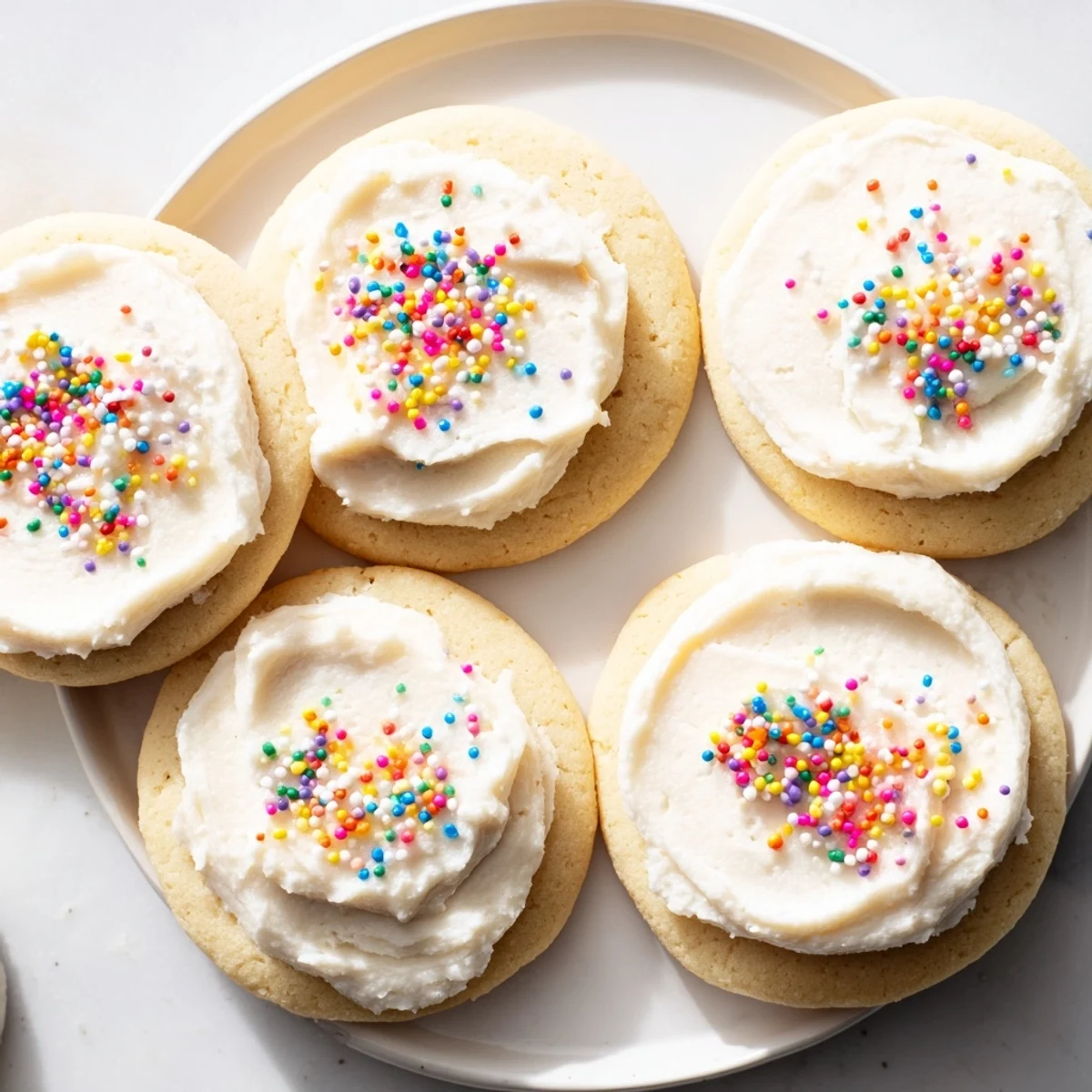
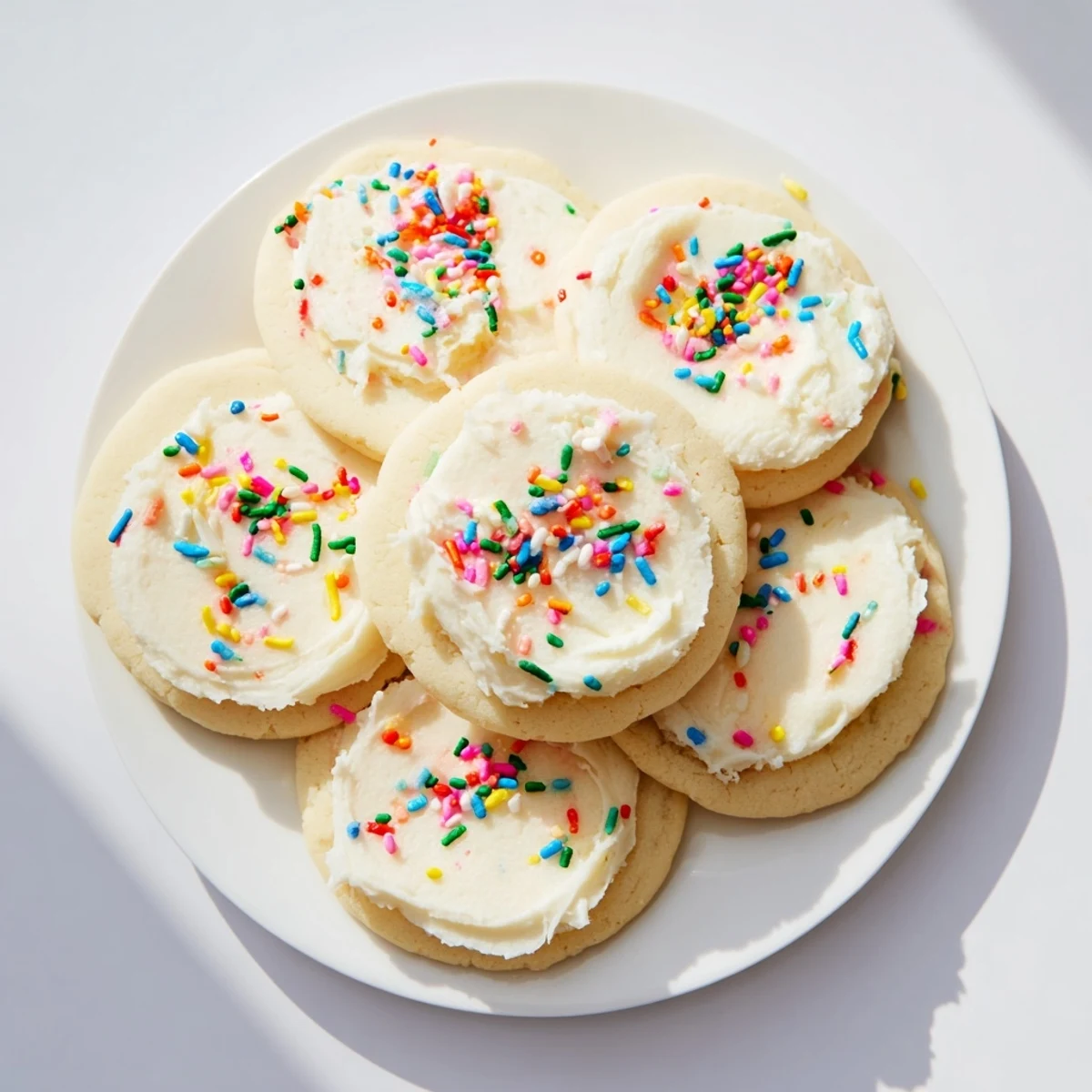
 These soft, bakery-style sugar cookies feature a tender crumb and melt-in-your-mouth texture, crowned with silky buttercream frosting that rivals the classic Walmart favorite. The dough requires chilling for easy rolling, resulting in perfectly round cookies that bake up pale and pillowy. The buttercream whips up light and fluffy, ideal for piping or spreading, with optional food coloring for festive occasions.
My college roommate worked at the Walmart bakery and would sometimes bring home those pillowy sugar cookies with the sky-high swirl of frosting. We'd sit on our apartment floor in our pajamas, eating them while studying, and I became obsessed with figuring out how they achieved that specific cloud-like texture. Years of experimenting later, I finally cracked the code—it turns out sour cream is the secret ingredient that makes these cookies impossibly soft and keeps them fresh for days.
Last summer, my niece insisted we make 'the pink ones' for her birthday party after seeing them in a grocery store flyer. We made a massive batch, dyed the buttercream every shade of pastel, and she stood on a stool carefully placing sprinkles on each one. Seeing her proudly serve them to her friends, claiming she'd baked them herself, reminded me why simple recipes like this matter so much—they create memories that stick longer than the sugar rush.
Ingredients
- All-purpose flour: Provides structure; measuring correctly by spooning into your measuring cup and leveling off prevents dense cookies
- Baking powder and baking soda: Work together to give these cookies their signature lift and slight spread
- Unsalted butter: Softening to room temperature is crucial; cold butter creates lumpy dough, melted butter makes flat cookies
- Granulated sugar: Creaming this with butter creates tiny air pockets that make the cookies tender
- Sour cream: The game-changing ingredient that adds moisture and keeps cookies soft for days
- Powdered sugar: Must be sifted to prevent lumps in your buttercream; trust me, you cannot skip this step
Instructions
- Whisk the dry ingredients:
- Combine flour, baking powder, baking soda, and salt in a medium bowl so everything is evenly distributed
- Cream the butter and sugar:
- Beat on medium speed for 2 to 3 minutes until the mixture looks pale and fluffy; this step creates the cookie's texture
- Add the wet ingredients:
- Mix in the egg and vanilla extract until fully incorporated, then blend in the sour cream until smooth
- Combine everything:
- Gradually add the flour mixture on low speed, mixing just until a soft dough forms—overmixing makes tough cookies
- Chill the dough:
- Divide in half, flatten into discs, wrap tightly, and refrigerate for at least 1 hour; this prevents spreading too much in the oven
- Prep and preheat:
- Heat your oven to 350°F and line baking sheets with parchment paper for easy cleanup
- Roll and cut:
- On a floured surface, roll dough to 1/4 inch thickness and cut into 2.5 inch rounds, spacing them 2 inches apart on your pans
- Bake to perfection:
- Bake for 9 to 11 minutes until edges are set but the centers still look slightly underbaked; they should stay pale, not golden
- Make the buttercream:
- Beat softened butter until creamy, gradually add sifted powdered sugar, then mix in vanilla, salt, and cream until fluffy
- Frost and decorate:
- Wait until cookies are completely cool before spreading or piping frosting; add sprinkles immediately while the frosting is soft
 Bookmark
 These have become my go-to for every bake sale and classroom party because they're universally loved and impossible to mess up. My neighbors now text me whenever they smell vanilla wafting through the hallway, hoping it's these cookies again. There's something about that first bite—the slight crunch from the sprinkles giving way to pillowy cookie and creamy frosting—that makes people pause and smile.
Getting The Perfect Texture
Temperature control makes all the difference with these cookies. If your kitchen is particularly warm, the dough might soften too quickly while rolling, so pop it back in the fridge for 10 minutes if it starts feeling sticky. I've learned that rushing the chilling step always results in cookies that spread too thin and lose that signature soft, thick bakery style.
Frosting Like A Pro
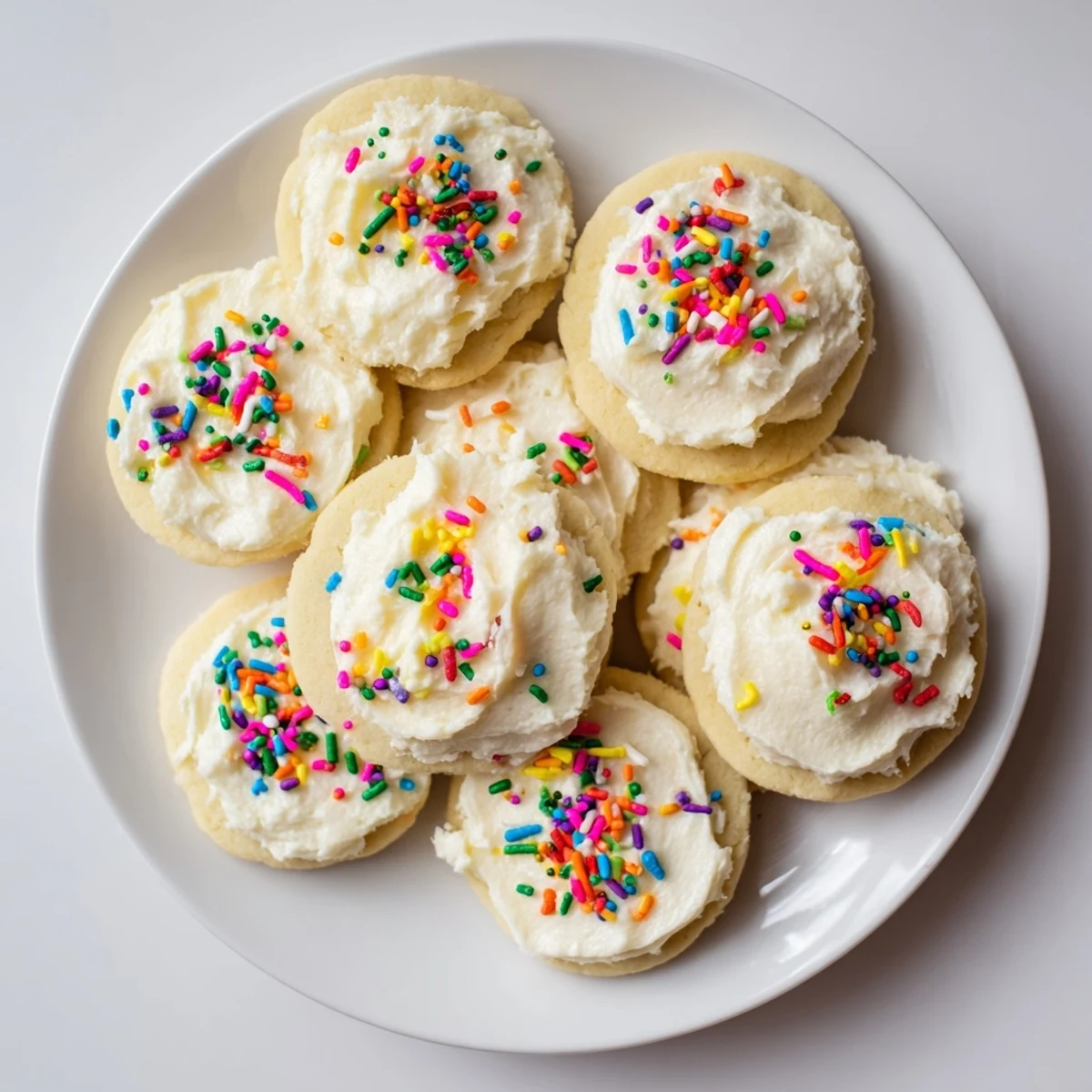
The secret to those gorgeous Walmart style swirls is letting your buttercream come to room temperature before piping. Cold frosting creates stiff peaks that look unnatural, while slightly warmed frosting flows beautifully. If you don't have piping bags, a simple zip top bag with the corner snipped off works surprisingly well for that classic swirled look.
Customization Ideas
Once you master the base recipe, these cookies are incredibly versatile for different holidays and occasions. I've made them with lemon zest in the spring, added peppermint extract for winter holidays, and even tinted the frosting orange and black for Halloween parties. The base cookie is mild enough that flavor variations work beautifully without clashing.
- Add almond extract to the frosting instead of vanilla for a bakery style twist
- Mix sprinkles directly into the dough for confetti cookies that kids go crazy for
- Dip the frosted edges in colorful nonpareils for an extra festive touch
 Bookmark
 Hope these bring as much joy to your kitchen as they have to mine over the years.
Recipe FAQs
- → Why do my sugar cookies turn hard?
-
Overbaking is the main culprit—remove cookies from the oven when edges are just set and centers still appear slightly soft. They continue cooking on the hot baking sheet, so this ensures tender results.
- → Can I freeze the dough?
-
Yes, wrap the dough discs tightly in plastic wrap and place in a freezer bag for up to 3 months. Thaw overnight in the refrigerator before rolling and baking.
- → How do I make the frosting stiffer for piping?
-
Add more powdered sugar, one tablespoon at a time, until you reach the desired consistency. For detailed decorations, a stiffer frosting holds its shape better.
- → Why is chilling the dough necessary?
-
Chilling prevents the cookies from spreading too much during baking, ensures clean edges when cutting, and makes the dough easier to roll without sticking.
- → Can I use salted butter instead?
-
Yes, simply omit the pinch of salt from both the cookie dough and frosting. The results will be nearly identical, though the flavor profile may vary slightly.
- → How should I store these cookies?
-
Keep in an airtight container at room temperature for up to 3 days. For longer storage, refrigerate for up to a week, though the cookies may firm up slightly.
